
The 2026 compliance landscape for B2B invoices
The regulatory environment for B2B invoicing is undergoing a structural shift in 2026. Across the European Union, member states are enforcing mandatory e-invoicing requirements that replace legacy paper-based or unstructured digital processes. This transition is not a pilot program or a voluntary guideline; it is a binding legal obligation affecting cross-border and domestic transactions alike. Companies operating within these jurisdictions must ensure their invoicing systems can generate, transmit, and archive structured, machine-readable documents.
The timeline for implementation varies by country, but the deadline pressure is immediate. Germany and Belgium have established specific dates in 2026 where non-compliant invoices may be rejected or penalized. According to regulatory tracking by Symtrax, the European e-invoicing mandate requires B2B transactions to adhere to standardized formats, eliminating the ambiguity of PDF attachments or email-based text. This shift aims to reduce administrative friction and improve tax transparency, but it demands immediate technical adjustment from finance departments.
Automation is no longer optional for meeting these 2026 deadlines. Manual data entry and spreadsheet-based reconciliation cannot scale to meet the volume and accuracy requirements of structured e-invoicing. Organizations must deploy automated solutions that can validate invoice data against regulatory standards before transmission. This includes ensuring proper XML or PEPPOL formats, digital signatures where required, and secure archival capabilities. The cost of inaction includes operational delays, potential fines, and disrupted cash flow due to rejected payments.
While the technology stack may evolve, the legal requirement is fixed. Businesses must audit their current invoicing workflows against the specific mandates of their operating jurisdictions. Failure to align with these 2026 compliance standards will result in significant administrative and financial consequences. The focus must remain on technical readiness and process automation to ensure seamless integration with the new regulatory framework.
AI tools for accounts receivable and DSO reduction
Artificial intelligence in accounts receivable (AR) automates data extraction, matching, and dunning workflows. These tools directly impact Days Sales Outstanding (DSO) by reducing processing latency and error rates. For B2B entities operating in jurisdictions with strict e-invoicing mandates, such as the EU, Germany, and Belgium, automation is no longer optional. It is a compliance requirement.
The 2026 landscape shows a shift from manual entry to AI-driven validation. Gennai’s 2026 report indicates that AI reduces invoice processing costs and time significantly. This efficiency allows finance teams to focus on exceptions rather than routine data entry. The result is faster cash conversion cycles and improved liquidity.
Data extraction and validation
AI tools use optical character recognition (OCR) and machine learning to extract key data points from invoices. This includes vendor details, line items, and tax codes. The system validates this data against purchase orders and receipts. This three-way matching reduces errors and prevents overpayments.
Automated dunning and follow-up
Dunning processes are automated using AI. The system sends personalized payment reminders based on customer behavior and payment history. This reduces the need for manual follow-ups and improves collection rates. The AI adjusts the tone and frequency of reminders based on customer responses.
Compliance and reporting
AI tools ensure compliance with local regulations by maintaining audit trails and generating reports. They track e-invoicing mandates and ensure invoices are formatted correctly. This reduces the risk of penalties and ensures smooth cross-border transactions.

Integrate AI-driven OCR tools with your ERP system to automatically extract invoice data. This reduces manual entry errors and speeds up processing times. Ensure the system is configured to handle diverse invoice formats common in your industry.

Set up automated three-way matching between invoices, purchase orders, and receipts. This validates data accuracy and prevents overpayments. The system should flag discrepancies for human review, ensuring only valid invoices are processed.

Deploy AI-driven dunning workflows that send personalized payment reminders. The system should adjust reminder frequency and tone based on customer behavior. This improves collection rates without straining customer relationships.
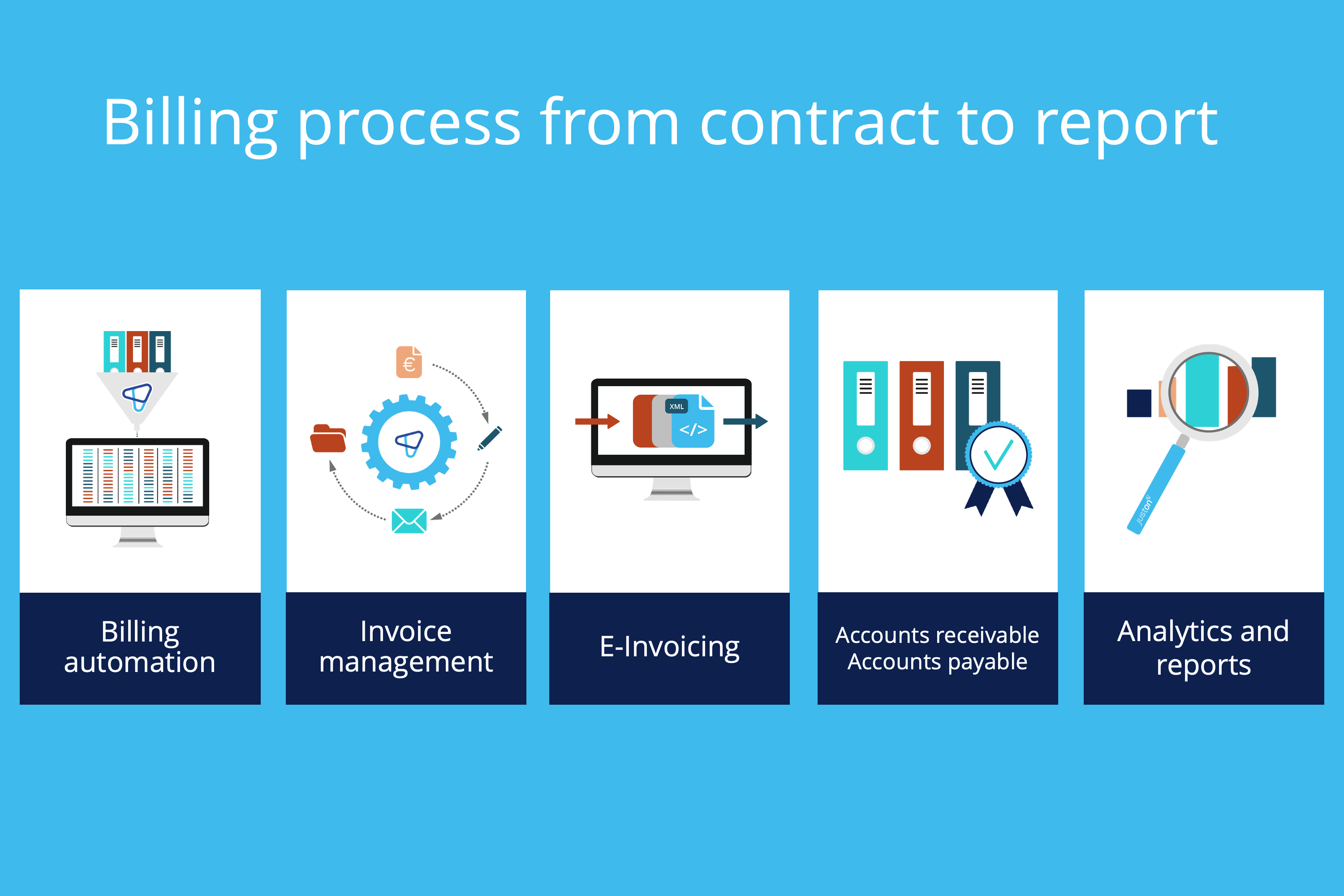
Track DSO metrics and compliance reports in real-time. Use dashboards to identify bottlenecks and ensure adherence to e-invoicing mandates in the EU, Germany, and Belgium. Regular audits help maintain data integrity and regulatory compliance.
- OCR accuracy rates for diverse invoice formats
- Seamless ERP integration capabilities
- Automated dunning workflow customization
- Real-time DSO and compliance reporting
- Audit trail and data security features
Stablecoin escrow for cross-border B2B payments
Use this section to make the B2B Invoicing Automation decision easier to compare in real life, not just on paper. Start with the reader's actual constraint, then separate must-have requirements from details that are merely nice to have. A practical choice should survive normal use, maintenance, timing, and budget. If a recommendation only works in an ideal situation, call that out plainly and give the reader a fallback path.
| Factor | What to check | Why it matters |
|---|---|---|
| Fit | Match the option to the primary use case. | A good deal still fails if it does not fit the job. |
| Condition | Verify age, wear, and service history. | Hidden condition issues erase upfront savings. |
| Cost | Compare purchase price with likely upkeep. | The cheapest option is not always the lowest-cost option. |
Integrating automation with regulatory reporting
By 2026, the transition from voluntary digital adoption to mandatory structured invoicing is accelerating across the European Union. Governments are no longer accepting PDF attachments or images as valid invoices for tax purposes. Instead, they require machine-readable data embedded in standardized XML formats, primarily Peppol. This shift demands that B2B invoicing automation platforms move beyond simple document generation to become compliant data pipelines.
The EU’s directive on strengthening the fight against fraud in the field of value added tax (VAT) has pushed member states to mandate e-invoicing. Jurisdictions like Germany and Belgium have set aggressive deadlines for 2026, requiring businesses to send and receive invoices in structured formats. According to regulatory tracking by Symtrax, these deadlines are not merely suggestions but enforceable requirements for cross-border B2B transactions within the Single Market.
Automation platforms must now embed Peppol compliance directly into their architecture. This means generating invoices that include all necessary legal fields, such as unique identifiers and tax breakdowns, in a format that tax authorities can parse automatically. When a system fails to produce a Peppol-compliant file, the invoice is rejected by the tax authority’s portal, leading to payment delays and potential penalties. The automation layer handles this validation in real-time, ensuring that every outgoing invoice meets the specific structural requirements of the recipient’s jurisdiction.
This integration reduces the risk of non-compliance by removing manual intervention. Instead of relying on staff to check formatting rules, the software validates data against the regulatory schema before transmission. As noted in 2026 CFO guidance by Softco, early preparation for these structured data requirements is critical to avoiding operational disruption. The focus shifts from creating invoices to managing the flow of compliant data.
No comments yet. Be the first to share your thoughts!