B2B invoicing automation 2026
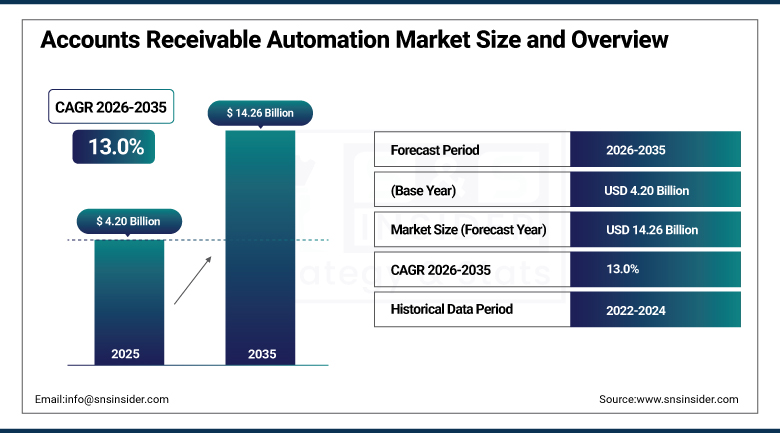
The shift toward automated invoicing is no longer a future possibility; it is the current operational standard. In 2026, the landscape is defined by mandatory e-invoicing integration, AI-driven validation, and seamless ERP connectivity. This section highlights five critical trends that are reshaping how B2B teams manage cash flow and accounts payable.
We selected these trends by analyzing adoption benchmarks, cost-per-invoice data, and regulatory mandates from official sources. The focus is on practical implementations that reduce manual entry and accelerate payment cycles. Each trend includes specific examples of how modern platforms handle these workflows, helping you distinguish between theoretical features and actual operational improvements.
5 Trends Transforming Cash Flow
Automation is no longer optional for B2B cash flow management; by 2026, compliance mandates and speed requirements make manual invoicing a liability. These five trends highlight the specific tools and regulatory shifts you need to adopt now to eliminate payment delays and ensure audit readiness.
-
Mandated e-invoicing compliance frameworks
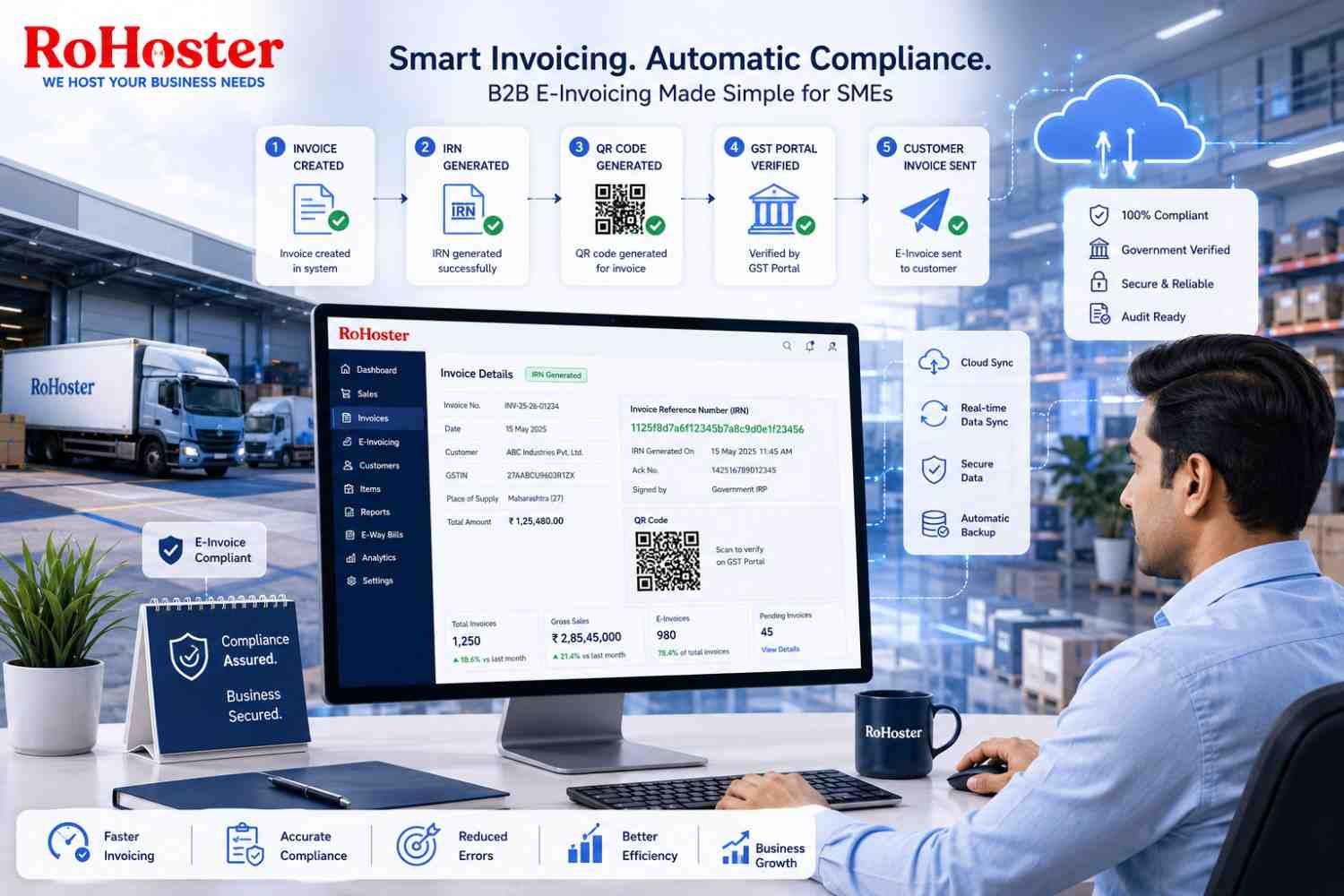
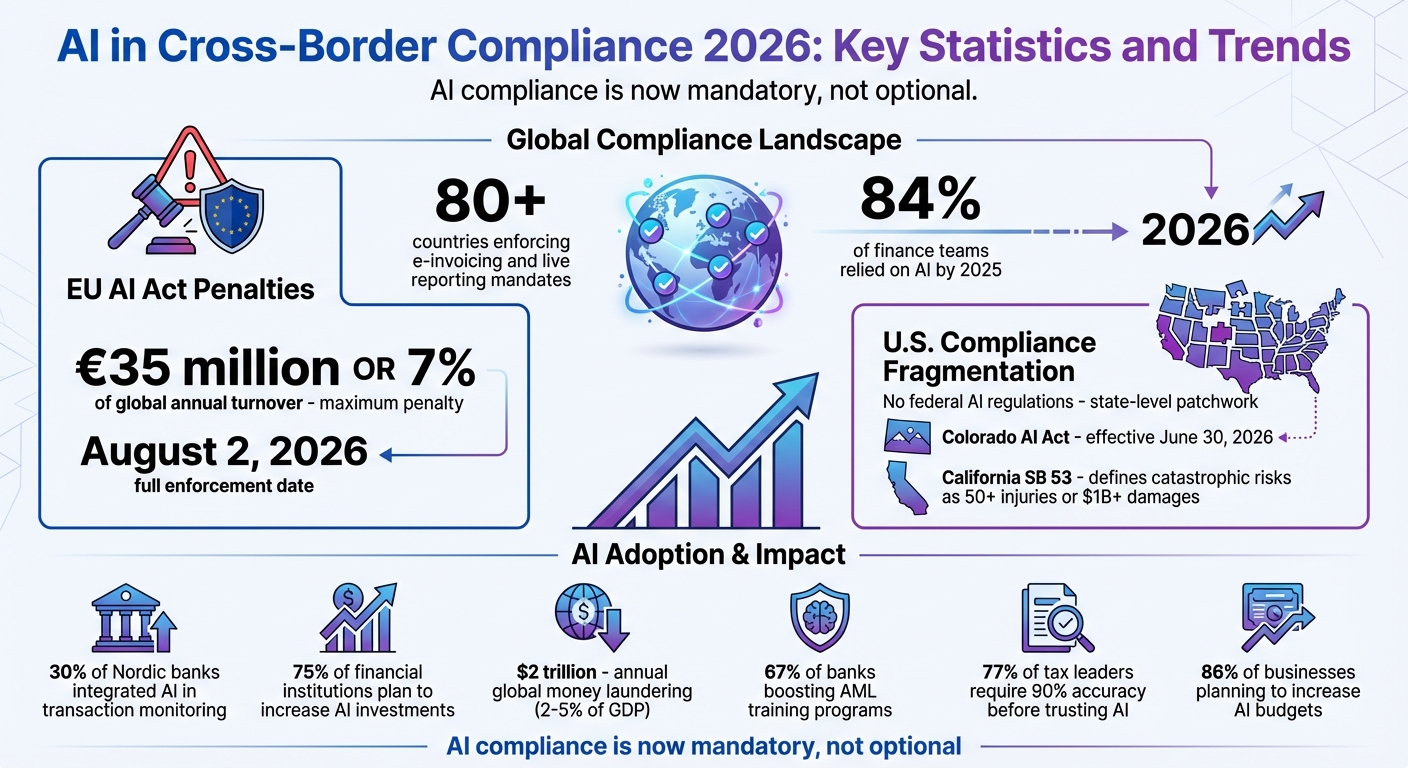
Government mandates are shifting e-invoicing from optional to mandatory across major markets. In 2026, businesses must align with strict reporting standards like PEPPOL or local digital tax regimes. Failure to comply risks significant penalties and payment delays. Companies should audit their current invoice formats against upcoming regulatory deadlines. Proactive integration ensures seamless data exchange with tax authorities, avoiding costly manual corrections or system rejections during peak filing periods. -
AI-driven invoice data extraction
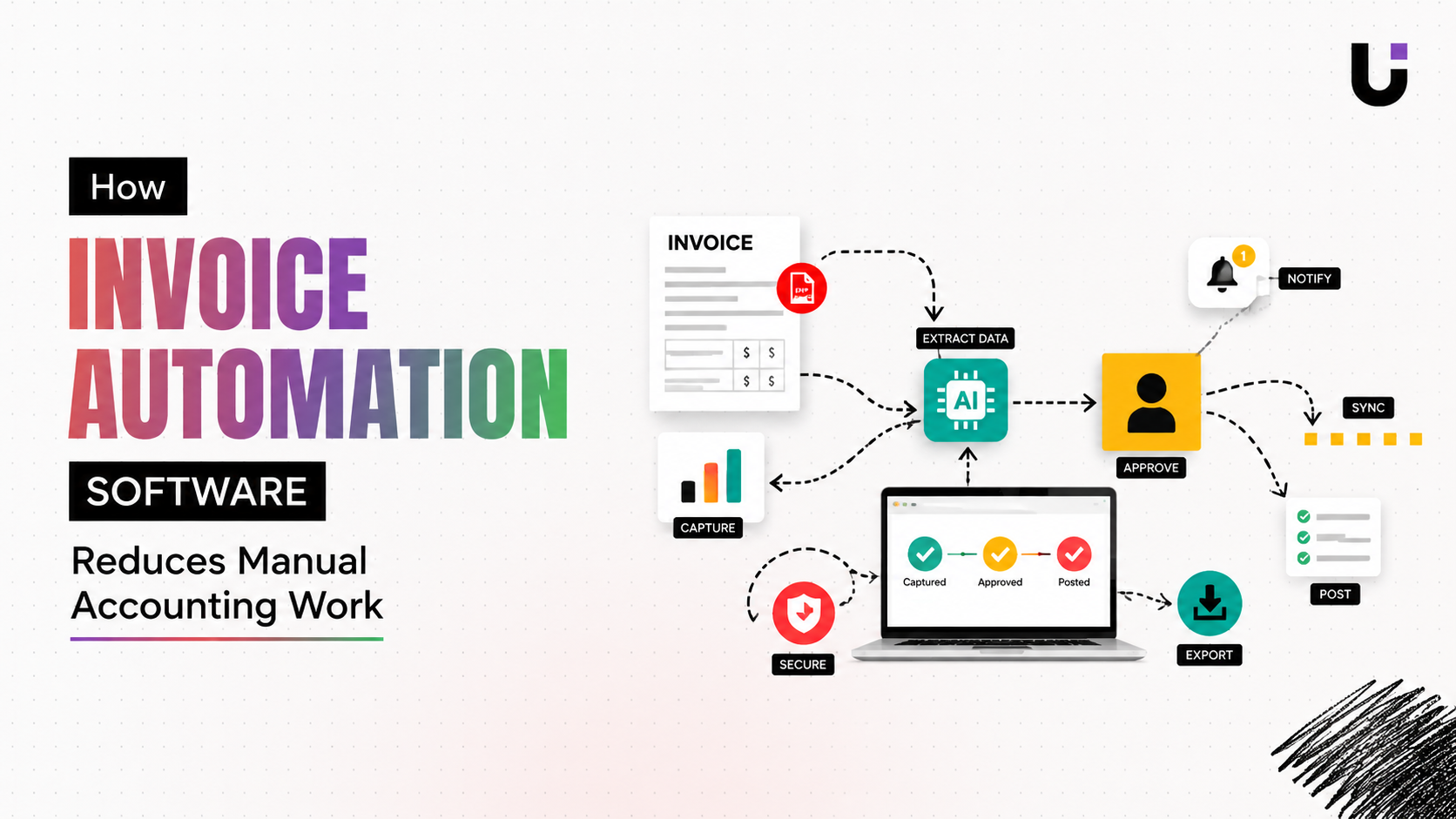
Manual data entry remains a bottleneck for cash flow. Modern AI tools now extract line items, dates, and vendor details with near-perfect accuracy. These systems learn from historical data, reducing error rates significantly. By automating this step, finance teams save hours weekly. The technology handles unstructured PDFs and emails, converting them into structured data ready for ERP integration, thereby accelerating the entire approval process. -
Real-time payment status tracking
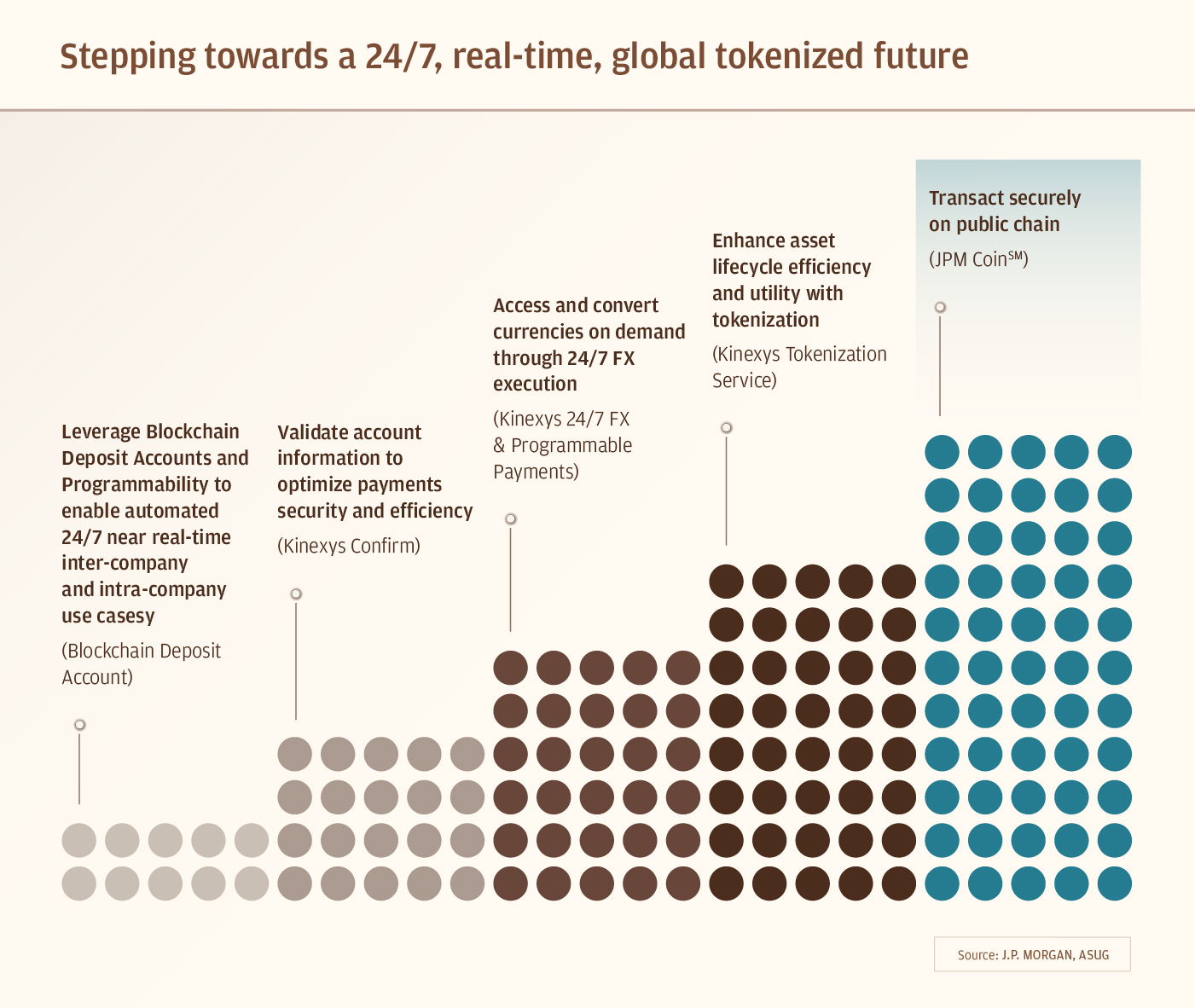
Visibility into payment status eliminates the guesswork of cash flow forecasting. Advanced platforms provide live dashboards showing exactly where an invoice stands in the pipeline. This transparency allows accounts receivable teams to prioritize follow-ups effectively. Instead of chasing vague promises, users see concrete milestones like "approved" or "disputed." This clarity reduces days sales outstanding (DSO) by enabling faster intervention when payments stall unexpectedly. -
Automated dispute resolution workflows
Disputes often halt payments for weeks, straining liquidity. Automated workflows now route discrepancies directly to the responsible parties with predefined resolution paths. The system flags mismatches between purchase orders and invoices, triggering immediate notifications. This reduces back-and-forth emails and accelerates correction cycles. By standardizing dispute handling, companies recover funds faster and maintain stronger vendor relationships through efficient, transparent communication channels. -
Integrated tax compliance engines
Cross-border transactions introduce complex tax calculations that manual processes struggle to manage. Integrated engines automatically apply the correct VAT, GST, or sales tax rates based on jurisdiction and product type. This ensures accurate invoicing and reduces the risk of audit penalties. The system updates tax rules in real-time, adapting to legislative changes without manual intervention. This automation safeguards margins and ensures regulatory adherence across multiple markets.
Pick the right fit
Choosing a B2B invoicing platform in 2026 requires matching technical capabilities to your specific compliance and workflow needs. The landscape has shifted from simple PDF generation to mandatory e-invoicing integration, making compatibility the primary filter for selection.
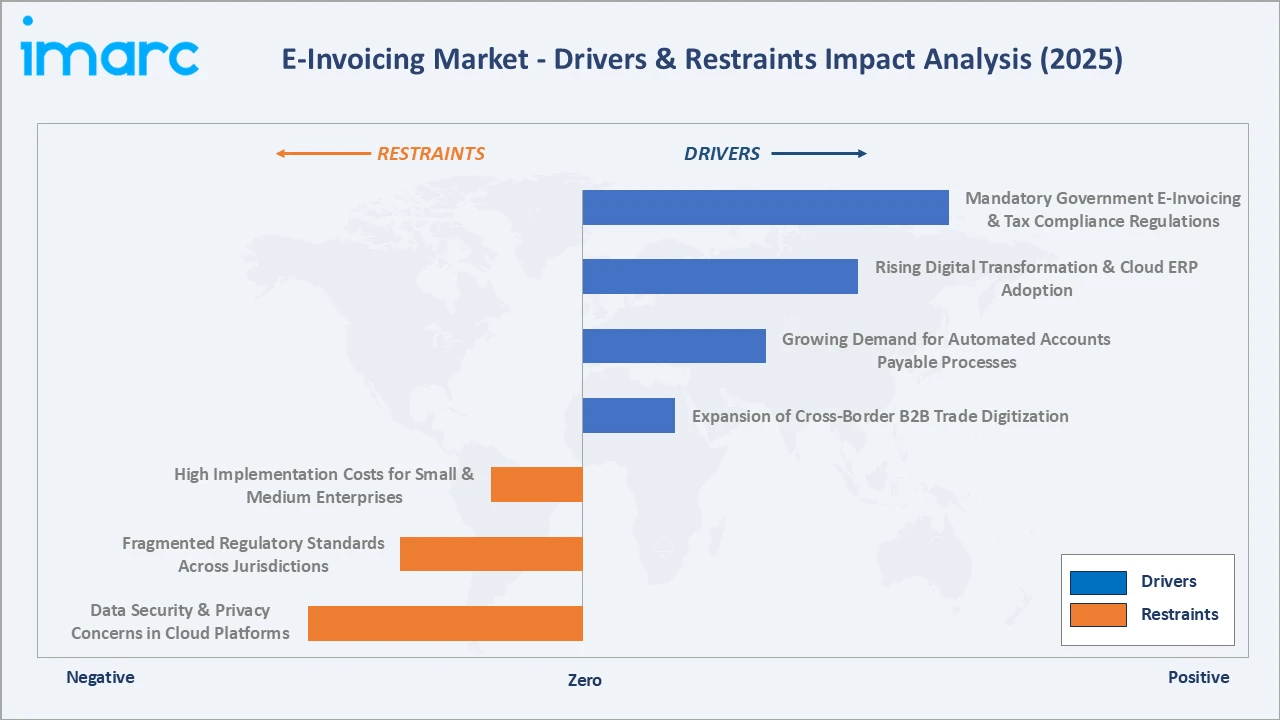
Start by identifying the jurisdictions where your B2B transactions occur. In 2026, regions like India and parts of the EU enforce strict e-invoicing mandates that require direct API integration with government portals. If your buyers are in these regions, your software must support local formats like PEPPOL or IRN generation natively.
Ensure the platform integrates seamlessly with your existing financial stack. Manual data entry between your ERP and invoicing tool defeats the purpose of automation. Look for native connectors to major systems like NetSuite, QuickBooks, or SAP, and confirm that the sync is bidirectional to prevent reconciliation errors.
Determine how much of the lifecycle you want to automate. Basic tools send PDFs, but advanced platforms handle the entire flow: generating the invoice, sending it, tracking delivery, and triggering payment reminders. For B2B, the ability to auto-match invoices against purchase orders is critical for reducing accounts payable friction.
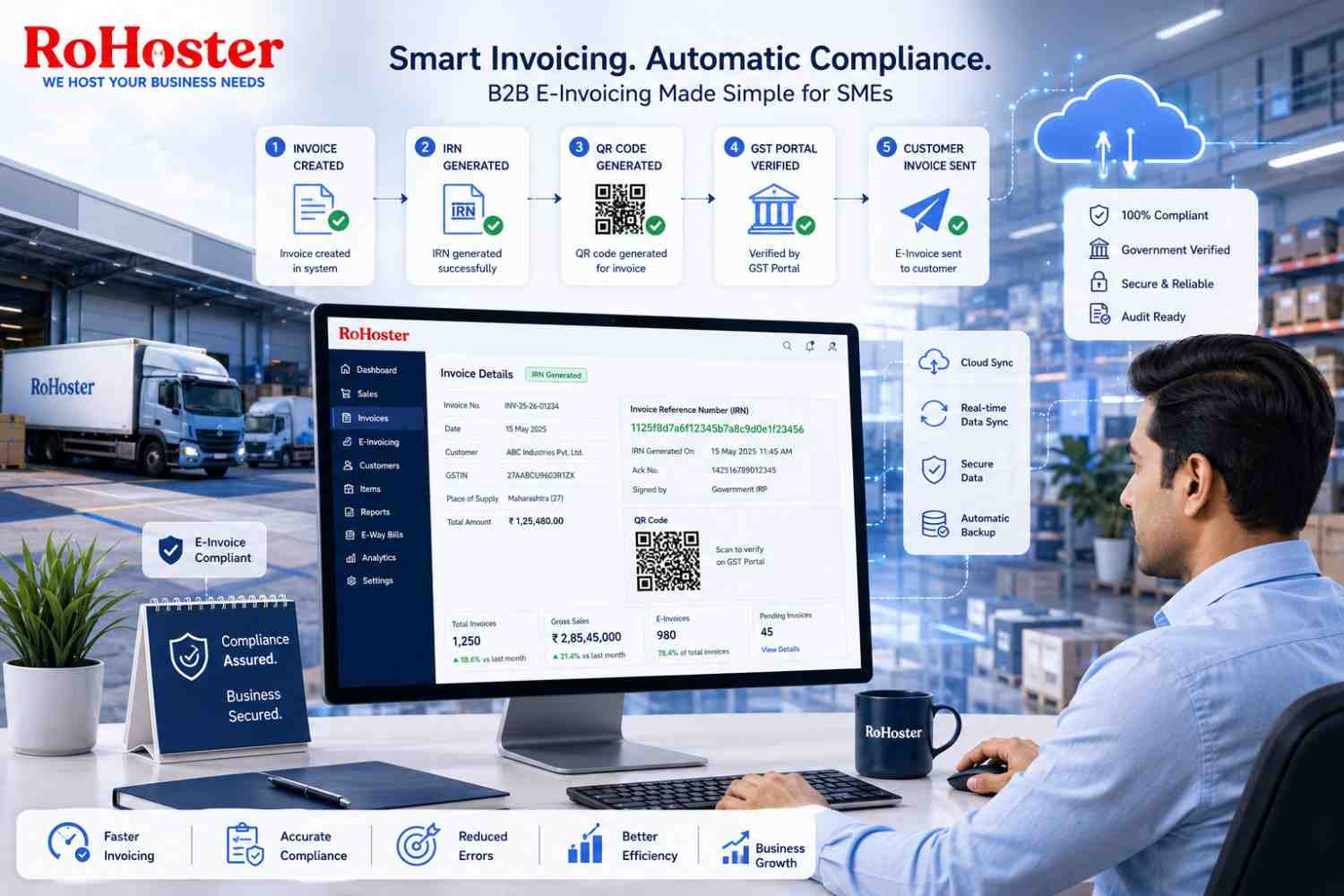
B2B data is sensitive. Verify that the provider offers SOC 2 Type II certification, GDPR compliance, and end-to-end encryption. Since you are handling financial data across borders, ensure the platform has clear data residency options if required by your industry or local regulations.

Look beyond the monthly subscription fee. Calculate costs based on the number of invoices, API calls, and user seats. Some platforms charge per invoice, which can become expensive as you scale. Others offer flat-rate tiers that might be more predictable for high-volume B2B operations.
| Feature | Basic | Advanced |
|---|---|---|
| E-invoicing Mandates | Manual Upload | Native API Integration |
| ERP Sync | One-way Export | Bidirectional Real-time |
| Payment Tracking | Email Status | Automated Chasing |
As an Amazon Associate, we may earn from qualifying purchases.
No comments yet. Be the first to share your thoughts!