

The 2026 mandate wave hits
The landscape for B2B invoicing trends 2026 is defined by a sudden, synchronized shift from voluntary adoption to strict legal compliance. Governments across Europe and beyond are enforcing real-time or near-real-time e-invoicing mandates, transforming invoicing from a back-office accounting task into a critical regulatory function. For multinational businesses, this means that traditional PDF-based invoicing systems are no longer just inefficient; they are becoming non-compliant liabilities.
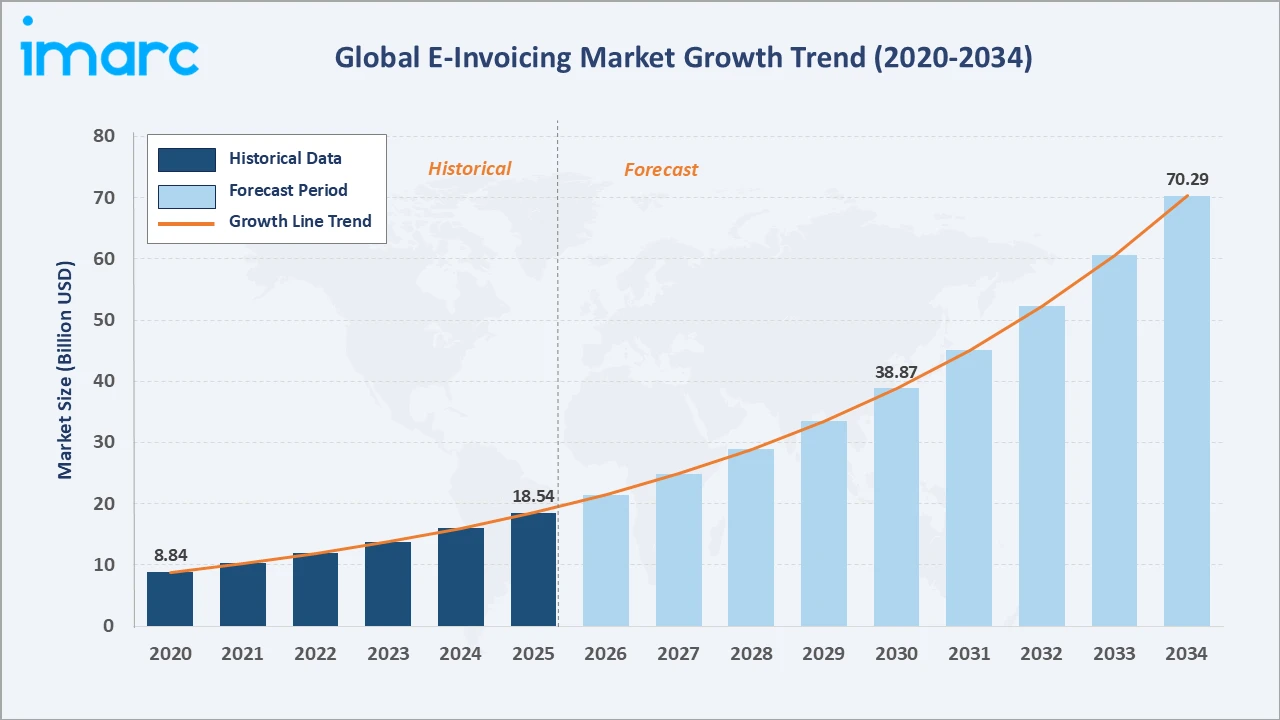
The scale of this transition is massive. According to the billentis Report 2026, approximately 87 billion B2B electronic invoices are expected to be issued worldwide this year, reflecting an unprecedented surge in digital transaction volumes. This volume is not merely a growth metric; it is a stress test for existing financial infrastructure. Systems that rely on manual data entry or static document formats cannot process this volume without significant error rates or processing delays.
Key mandates driving this change are taking effect now. Belgium has implemented mandatory B2B e-invoicing for all domestic transactions since January 1, 2026. Simultaneously, the European Union’s VAT in the Digital Age (ViDA) proposal is moving toward implementation, aiming to create a unified digital reporting framework across member states. These regulations require invoices to be structured data files—such as XML or JSON—that can be read and processed automatically by tax authorities, not just human accountants.
The administrative burden of non-compliance is severe. Research indicates that invoice errors can increase processing costs by up to 20%. In a 2026 environment where every transaction may need to be digitally auditable, these errors translate directly into regulatory fines and operational bottlenecks. Businesses that have not yet migrated to automated, structured e-invoicing platforms are facing a steep learning curve and potential penalties as the global regulatory net tightens.
AI automates the reconciliation gap
The friction in B2B invoicing trends 2026 centers on the reconciliation gap—the time and labor spent matching incoming invoices against purchase orders and goods receipts. Manual entry is prone to typos, duplicated payments, and mismatched line items, creating a backlog that delays vendor payments and strains cash flow. AI-driven automation addresses this by treating invoice processing as a data extraction and matching task rather than a clerical one.
Modern AI systems use machine learning to read structured and unstructured data from PDFs, emails, and scanned documents. They extract key fields like vendor name, date, amount, and line items with high accuracy. The system then automatically matches these details against the company’s existing purchase orders and goods receipt records. If the data aligns, the invoice is approved for payment without human intervention. If there is a discrepancy, the system flags it for review, reducing the volume of exceptions accountants need to handle manually.
The impact on operational efficiency is measurable. According to recent industry analysis from Vertex Inc., clients implementing these automated workflows are seeing reconciliation times drop by 60 to 70 percent. This reduction is not just about speed; it is about accuracy. By removing the manual touchpoints, companies eliminate the human errors that often lead to overpayments or late fees. The result is a cleaner general ledger and a more predictable cash flow cycle.
This shift is becoming a standard expectation in global e-invoicing. As mandated by Forrester in their 2026 outlook, AI is no longer a luxury but a core component of compliant and efficient invoice processing. Businesses that continue to rely on manual reconciliation will find themselves at a competitive disadvantage, unable to match the agility of AI-enabled peers.
Stablecoins cut cross-border delays
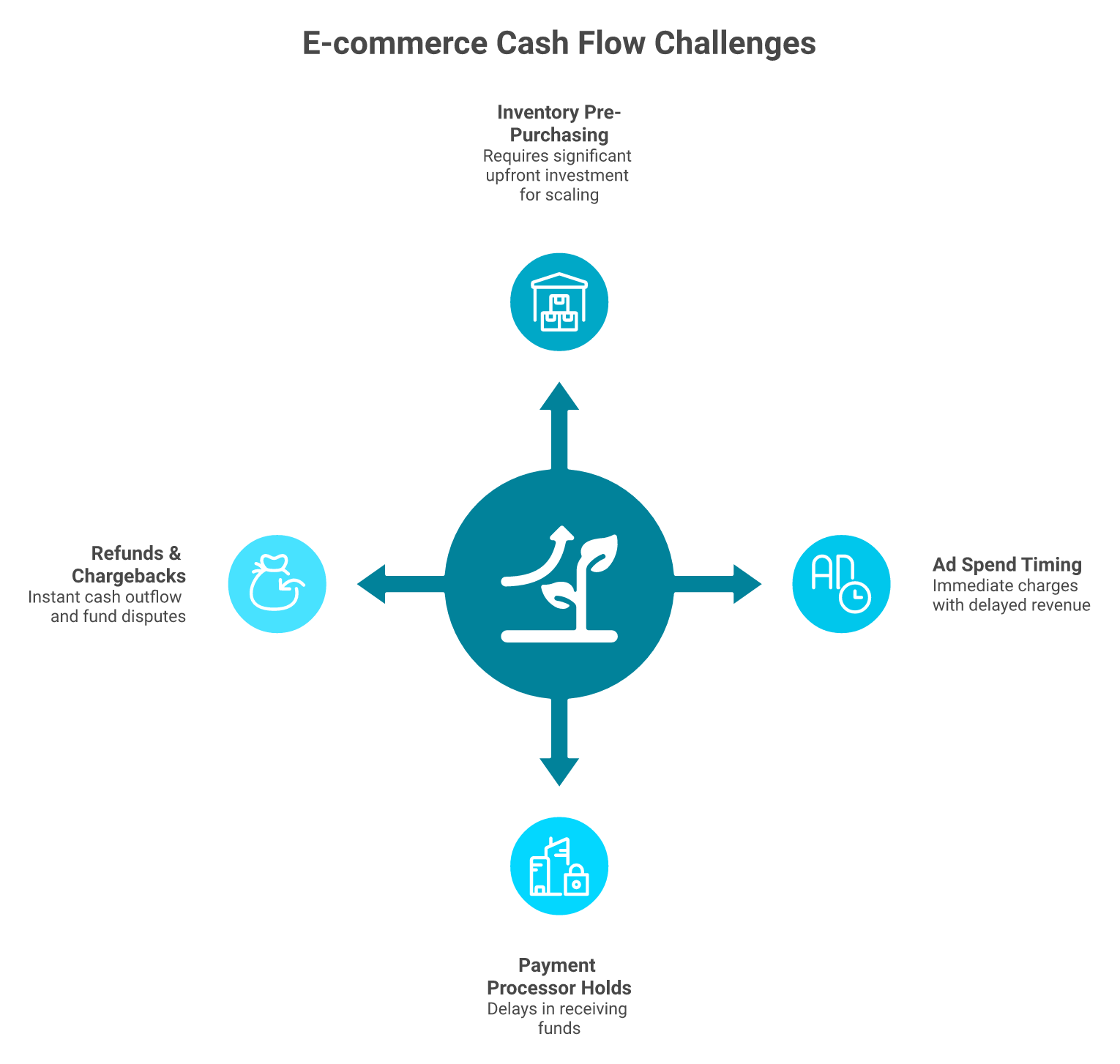
Stablecoins are reshaping B2B invoicing trends 2026 by removing the friction from international payments. Traditional cross-border transfers often rely on a chain of correspondent banks, each adding fees and taking days to settle. This delay extends Days Sales Outstanding (DSO), tying up working capital that businesses need to operate.
Stablecoins settle on blockchain networks in minutes, not days. By pegging value to fiat currencies like the US dollar, they offer the stability of traditional money with the speed of digital assets. For B2B transactions, this means invoices can be paid and confirmed almost instantly, regardless of the buyer’s location. The result is a significant reduction in settlement risk and improved cash flow visibility.
The impact on cash flow is measurable. According to the Intrum European Payment Monitor (2026), e-invoicing and digital payment methods reduced B2B payment delays by an average of 2.3 days within 90 days of implementation. While stablecoins are a specific subset of this digital shift, their instant settlement nature pushes this benefit further, potentially eliminating the multi-day lag entirely. This speed allows finance teams to reconcile accounts faster and reinvest capital sooner.
To understand the stability that makes this possible, consider the price performance of USDC against the Euro. Unlike volatile cryptocurrencies, stablecoins maintain a tight peg, making them a reliable medium of exchange for high-value B2B invoices.
This stability is critical for invoicing. When the value of the payment asset doesn’t fluctuate wildly between the invoice date and payment date, businesses can forecast revenue with greater accuracy. This predictability, combined with the speed of settlement, makes stablecoins a powerful tool for optimizing B2B cash flow in 2026.
Legacy versus AI-stablecoin workflows
The shift in B2B invoicing trends 2026 is defined by a move from fragmented legacy systems to integrated AI-stablecoin models. Traditional workflows rely on PDF attachments, manual data entry, and multi-day bank wires. The new model uses AI to extract data instantly and stablecoins to settle transactions in near real-time.
This transition directly impacts the three pillars of B2B finance: speed, cost, and compliance. Legacy systems suffer from high friction and opaque fees. AI-stablecoin workflows automate reconciliation and leverage blockchain transparency to reduce errors.
The table below compares the operational realities of both approaches.
| Metric | Legacy Workflow | AI + Stablecoin |
|---|---|---|
| Settlement Time | 2–5 business days | < 15 minutes |
| FX & Wire Fees | $15–$50 per transaction | $0.10–$0.50 per transaction |
| Reconciliation | Manual, 60–70% error rate | Automated, <1% error rate |
| Compliance | Fragmented, audit-heavy | Built-in, real-time tracking |
Legacy PDF invoicing often delays cash flow by an average of 2.3 days within the first 90 days of implementation, according to the 2026 Intrum European Payment Monitor. In contrast, AI-driven automation can cut reconciliation time by 60–70 percent, as noted in recent e-invoicing rollouts. This speed allows companies to forecast cash flow with greater accuracy and reduce the working capital gap.
Steps to adopt stable invoicing in 2026
Integrating AI and stablecoin payments into your ERP requires a phased approach. Start by mapping your current AP/AR workflows to identify where AI can automate data extraction and where stablecoins can reduce settlement friction. Focus on suppliers who are already comfortable with digital assets or cross-border transactions to minimize resistance.
- Audit your current invoice data quality. AI models need clean, structured data to function. Use tools to standardize formats before attempting automation.
- Select a stablecoin payment rail. Choose a provider that supports major USDC or USDT pairs and integrates with your existing accounting software via API.
- Pilot with a small group of suppliers. Test the end-to-end flow from invoice generation to stablecoin settlement. Measure time-to-cash and fees.
- Train your finance team. Ensure staff understand the accounting implications of crypto transactions and how to reconcile them in your ledger.
- Scale gradually. Expand the pilot to more suppliers and internal departments once the initial workflow is stable and compliant.
AI-driven invoicing relies on accurate data. Before integrating new payment rails, clean up your existing invoice templates and standardize fields like PO numbers and tax IDs. This ensures your AI tools can extract data without errors.
Choose a stablecoin provider that supports USDC or USDT and offers direct API integration with your ERP. Look for providers that handle compliance reporting automatically to reduce your team’s administrative burden.
Start with three to five suppliers who are already open to digital payments. Test the full cycle: generate an invoice, send it via your new system, and receive stablecoin payment. Track settlement times and transaction fees.
Ensure your accounting team understands how to record stablecoin transactions in your general ledger. Provide clear guidelines on tax implications and reconciliation processes to prevent errors during the transition.

Once the pilot is successful, expand the stablecoin payment option to more suppliers and internal departments. Monitor performance metrics and adjust your workflow based on feedback from both finance teams and vendors.
No comments yet. Be the first to share your thoughts!