
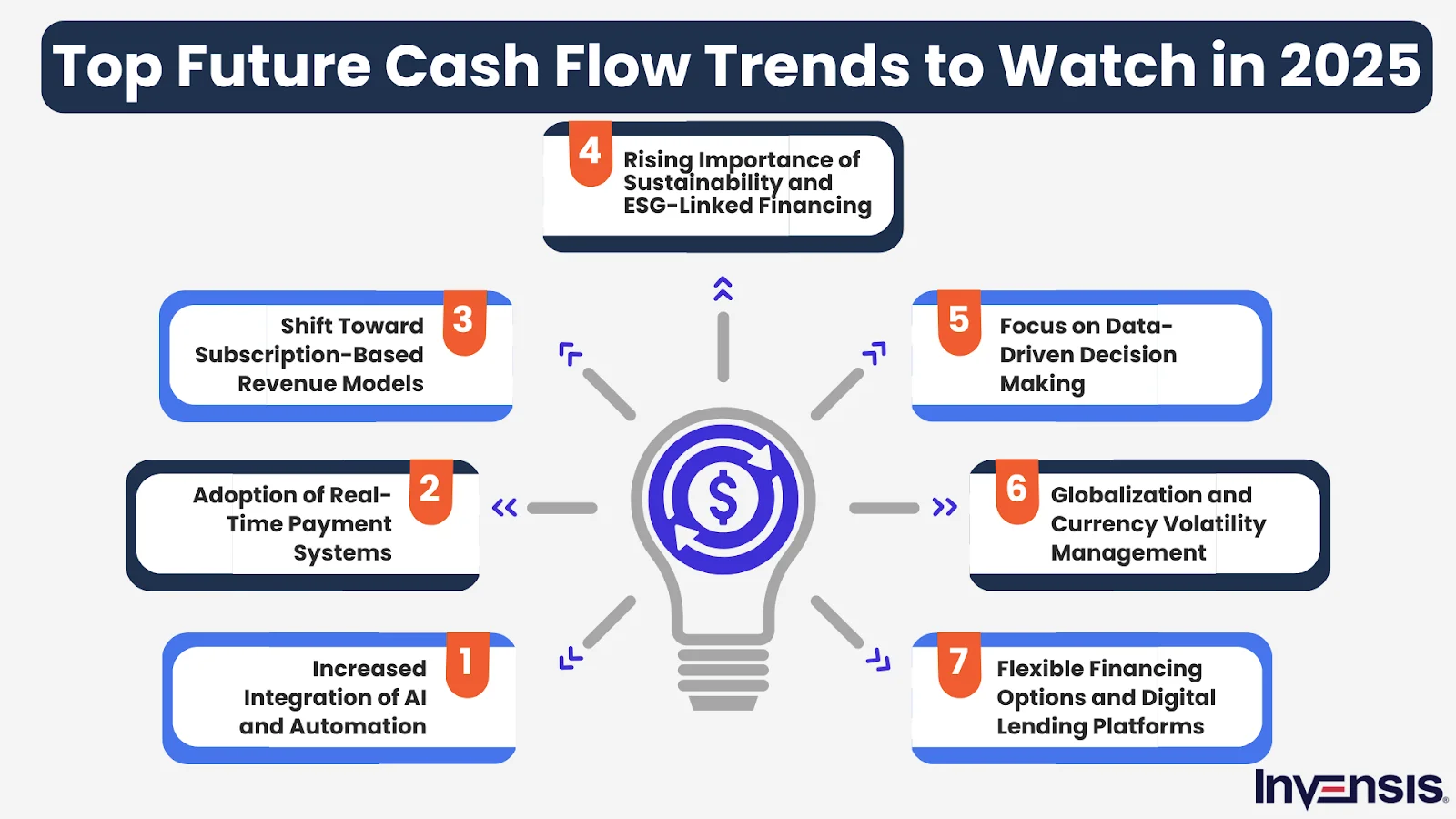
Ai billing automation budget
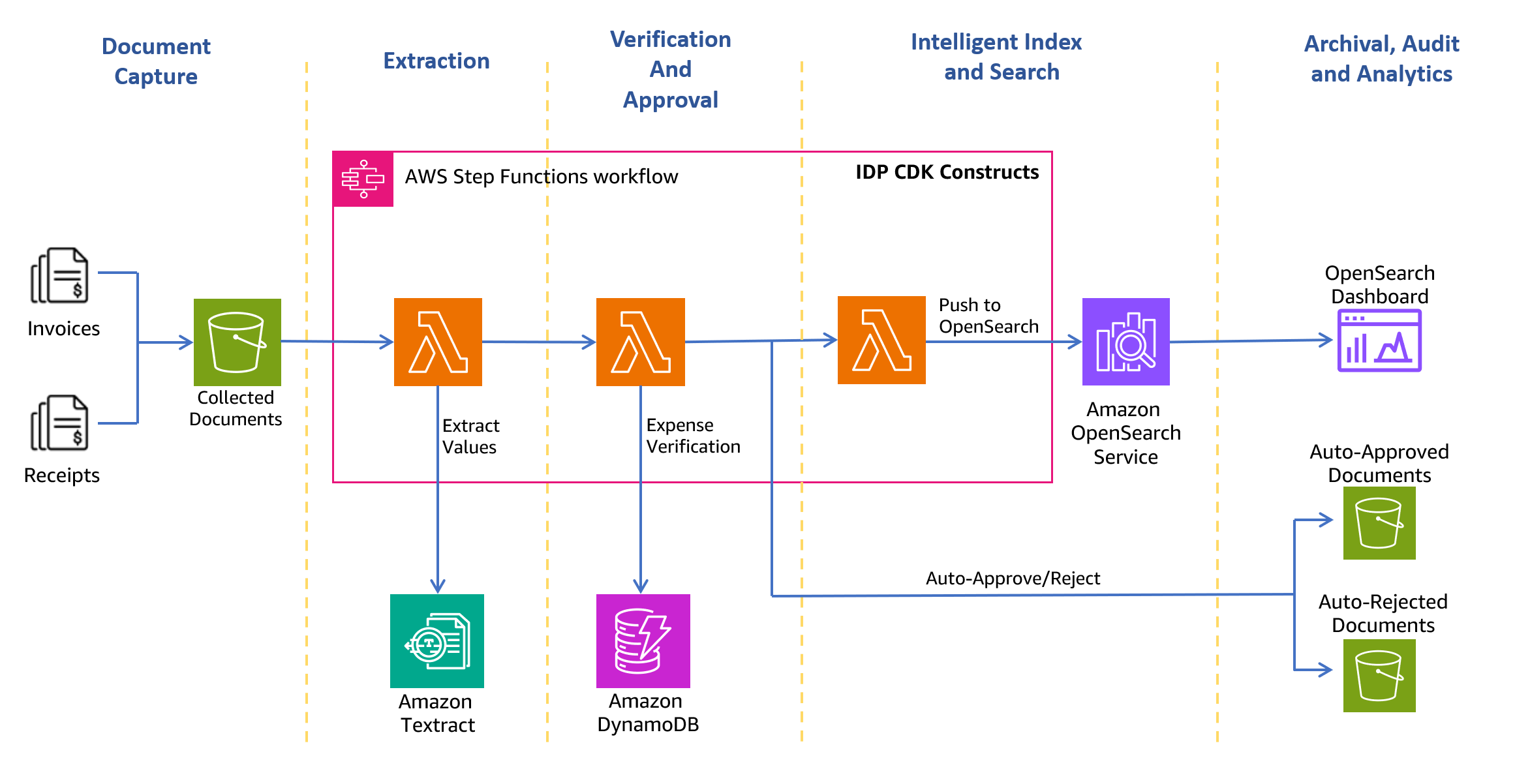
Setting a realistic budget for AI-driven auto-billing requires balancing software capabilities with the complexity of your current invoices. Unlike simple data entry tools, AI systems must interpret unstructured data, such as varied invoice formats and handwritten notes. This intelligence comes at a premium, but it directly correlates with the reduction in manual errors and the speed of cash flow recovery.
When evaluating costs, consider the total cost of integration. A lower monthly subscription may not account for the API fees required to connect with your existing ERP or accounting software. For small to mid-sized businesses, starting with a modular plan that handles core invoice extraction is often more sustainable than enterprise-wide deployments. Ensure the pricing model scales with your volume; some platforms charge per invoice processed, which can become expensive during peak billing cycles.
For those looking to implement basic automation or test AI capabilities without a heavy enterprise commitment, here are practical tools available for purchase:


As an Amazon Associate, we may earn from qualifying purchases.
Always request a demo to see how the AI handles your specific invoice types. If the system struggles with your most complex documents, the discount in the monthly fee will be offset by continued manual intervention. Prioritize platforms that offer transparent pricing tiers based on transaction volume rather than hidden setup fees.
Compare AI billing automation options
Choosing the right AI billing tool depends on your volume and integration needs. Below is a comparison of the strongest automation options available in 2026.
| Platform | Best For | AI Capability | ERP Support |
|---|---|---|---|
| Rillion | Invoice Processing | Data capture & coding | Strong |
| BillingPlatform | Automated Invoicing | Repetitive task reduction | Standard |
| SmarterTech | Billing & Invoicing | ML-based interpretation | Flexible |
Rillion stands out for its ability to automate data capture and coding, making it ideal for high-volume invoice management. It reduces errors by learning from past records, which is critical for maintaining accurate cash flow. SmarterTech offers a more general AI billing approach, using machine learning to interpret complex invoice data. This is useful for businesses that need flexibility in how they handle varied invoice formats. BillingPlatform focuses on reducing the time spent on repetitive tasks. It’s a solid choice for teams that want to streamline their existing workflows without a complete overhaul.
When selecting a platform, look for tools that offer seamless ERP integration and robust data security. AI billing systems can extract key information like customer names, product details, and prices, but only if the underlying system is reliable. Avoid tools that require extensive manual intervention, as this defeats the purpose of automation.
Inspect the expensive parts
Use this section to make the How AI-Driven Auto-Billing is Revolutionizing B2B Cash Flow decision easier to compare in real life, not just on paper. Start with the reader's actual constraint, then separate must-have requirements from details that are merely nice to have. A practical choice should survive normal use, maintenance, timing, and budget. If a recommendation only works in an ideal situation, call that out plainly and give the reader a fallback path.
-
Verify the basicsConfirm the core specs, condition, and fit before comparing extras.
-
Price the downsideLook for the repair, maintenance, or replacement cost that would change the decision.
-
Compare alternativesCheck at least two comparable options before treating one listing as the benchmark.
Ownership costs and hidden maintenance surprises
The sticker price of an AI billing tool is rarely the final cost. While the software automates data capture and reduces manual errors, the real financial impact comes from integration, maintenance, and the time required to train the system on your specific invoice formats. A cheap license can become expensive if it requires constant manual correction or expensive developer hours to maintain API connections with your ERP.
When "cheap" stops being cheap
Lower-tier solutions often lack the machine learning depth to handle non-standard invoices without human intervention. This creates a hidden labor cost that offsets the software savings. You must account for:
- Integration complexity: Connecting AI billing to legacy accounting systems often requires custom middleware. If the vendor charges per integration point, costs scale quickly.
- Training overhead: AI models need historical data to learn. Initial setup may require weeks of cleaning data and tagging invoices, which is billable engineering time.
- Support tiers: Basic plans often exclude priority support. When the AI misclassifies a critical vendor invoice, waiting days for a ticket response impacts cash flow.
Recommended tools for B2B billing automation
For teams looking to implement AI-driven auto-billing, these products offer robust automation features suitable for B2B workflows. They handle the heavy lifting of data extraction and coding, reducing the need for constant manual oversight.


As an Amazon Associate, we may earn from qualifying purchases.
Ai billing automation: what to check next
Before committing to an auto-billing platform, teams often worry about accuracy, integration, and the limits of automation. Here are the practical answers to the most common objections.
Can AI do my billing?
Yes. AI billing systems use machine learning and natural language processing to handle repetitive tasks. They extract key information from invoices—such as customer names, product details, quantities, and prices—and enter it directly into your billing software. This reduces manual entry errors and speeds up the entire cycle.
What happens if the AI makes a mistake?
AI tools are designed to flag anomalies for human review rather than blindly processing data. If an invoice contains unclear text or mismatched totals, the system typically pauses and sends it to a team member for verification. This "human-in-the-loop" approach ensures that errors don't slip through to your customers.
Does it integrate with my current accounting software?
Most modern AI billing platforms integrate seamlessly with major accounting systems like QuickBooks, Xero, and NetSuite. These integrations allow data to flow automatically between your billing and accounting tools, keeping your financial records synchronized without requiring manual exports or imports.
Is AI billing secure enough for sensitive data?
Reputable AI billing providers use enterprise-grade encryption and comply with strict data protection standards. Since billing data includes sensitive financial information, it's essential to choose a vendor with transparent security practices and regular third-party audits to ensure your data remains protected.
No comments yet. Be the first to share your thoughts!