
Why 2026 changes invoice automation
The question of whether to automate B2B invoicing is no longer relevant. In 2026, the industry has shifted from optional adoption to mandatory execution. Most teams have already started the process, but the focus has moved to execution quality and compliance readiness.
This urgency is driven by two converging forces: new e-invoicing regulations and the maturity of AI tools. Governments across Europe and Asia have set hard deadlines for electronic invoicing. For example, the law of 6 February 2024 makes electronic invoicing mandatory from 1 January 2026 for all domestic VAT-registered B2B transactions in many jurisdictions. Similarly, India’s GST council has set April 2026 deadlines for large taxpayers to report e-invoices on the IRP portal.
Beyond regulation, the technology has finally caught up. AI-driven invoice processing can now handle complex, non-standard formats with high accuracy, reducing the manual effort that previously made automation difficult. Invoice errors can increase processing cost by up to 20%, a margin that thin B2B margins can no longer absorb.
The landscape of 2026 demands a different approach. It is no longer about selecting software; it is about integrating automation into your core financial workflow to meet regulatory standards and operational efficiency simultaneously.
Choose the right automation stack
Selecting a platform requires balancing AI-driven efficiency with strict compliance. The market has shifted from simple digitization to intelligent workflows that handle tax rules, multi-currency payments, and audit trails automatically.
When comparing providers, focus on three core capabilities: AI accuracy for data extraction, native compliance for regional mandates (like India’s e-invoicing rules effective April 2026), and cross-border payment flexibility. A platform that forces manual intervention for tax compliance defeats the purpose of automation.
The table below compares leading platforms on these critical dimensions. Use it to filter options based on your specific operational needs, such as whether you require embedded finance or pure invoicing.
| Platform | AI Capabilities | Compliance Support | Cross-Border |
|---|---|---|---|
| LedgerUp | High (Auto-categorization) | Global Tax Engine | Multi-currency |
| Stripe Billing | Moderate (Predictive) | Regional Tax APIs | Native |
| BILL | High (OCR & Matching) | US/CA Focused | Limited |
| Tipalti | High (Vendor Risk) | Global Regulatory | Native |
| Chargebee | Moderate (Churn Prediction) | Subscription Tax | Native |
For SaaS and subscription models, platforms like Chargebee or Stripe Billing offer tighter integration with recurring revenue logic. For traditional B2B service providers, BILL or Tipalti provide stronger accounts payable automation. Ensure your choice supports the specific e-invoicing mandates relevant to your largest markets, particularly in regions with strict digital reporting requirements.
Configure AI for accounts receivable
B2B invoicing automation demands that you move beyond simple data entry. The goal is to set up AI tools that handle invoice extraction, validation, and routing with minimal human intervention. This reduces errors and accelerates cash flow. Follow these steps to configure your system effectively.
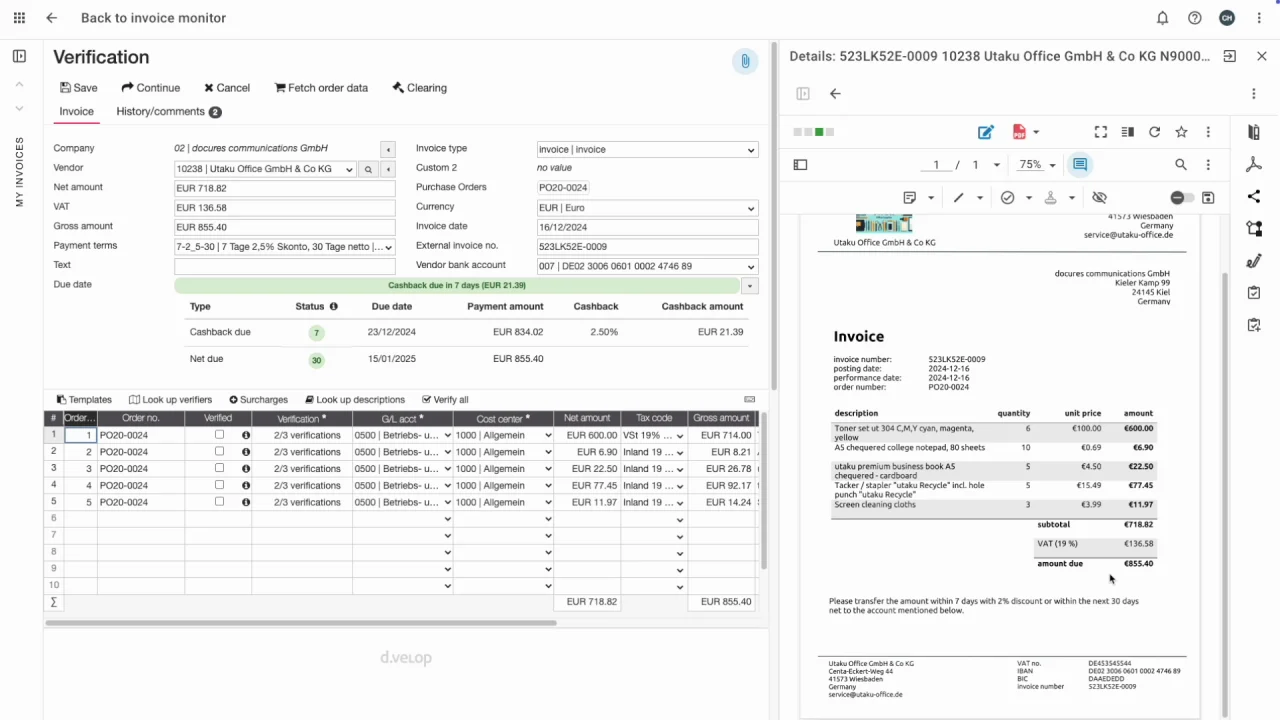
Connect your AI tool to all incoming channels. This includes email inboxes, vendor portals, and physical scanners. Configure the system to automatically capture invoices as they arrive. Ensure it supports common formats like PDF and images. This creates a single source of truth for all incoming bills.
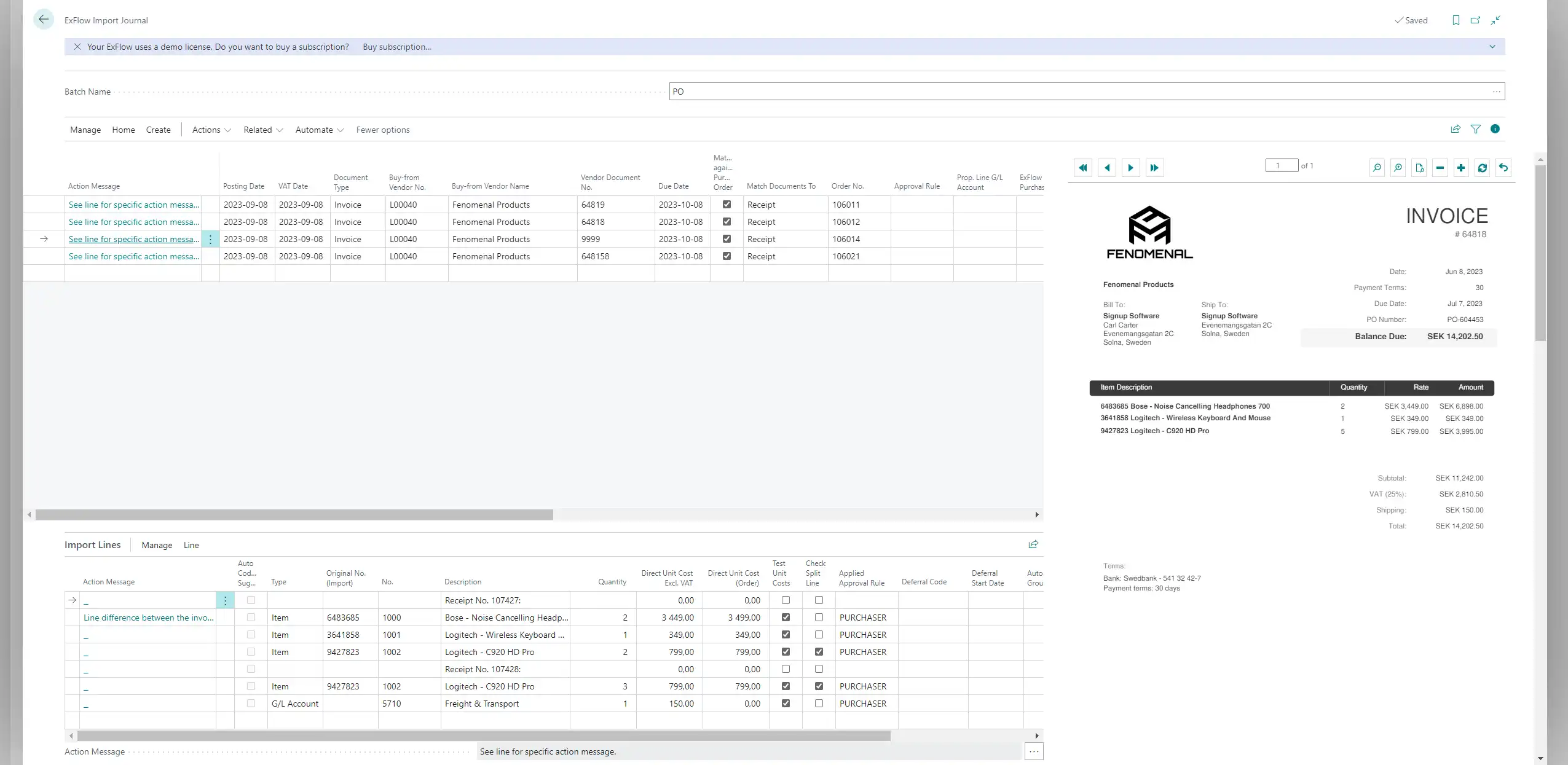
Train the AI to check for accuracy. Set rules to match invoice data against purchase orders and receipts. The system should flag discrepancies in amounts, dates, or line items. Configure it to learn from your corrections over time. This ensures that only verified invoices move to the next stage.
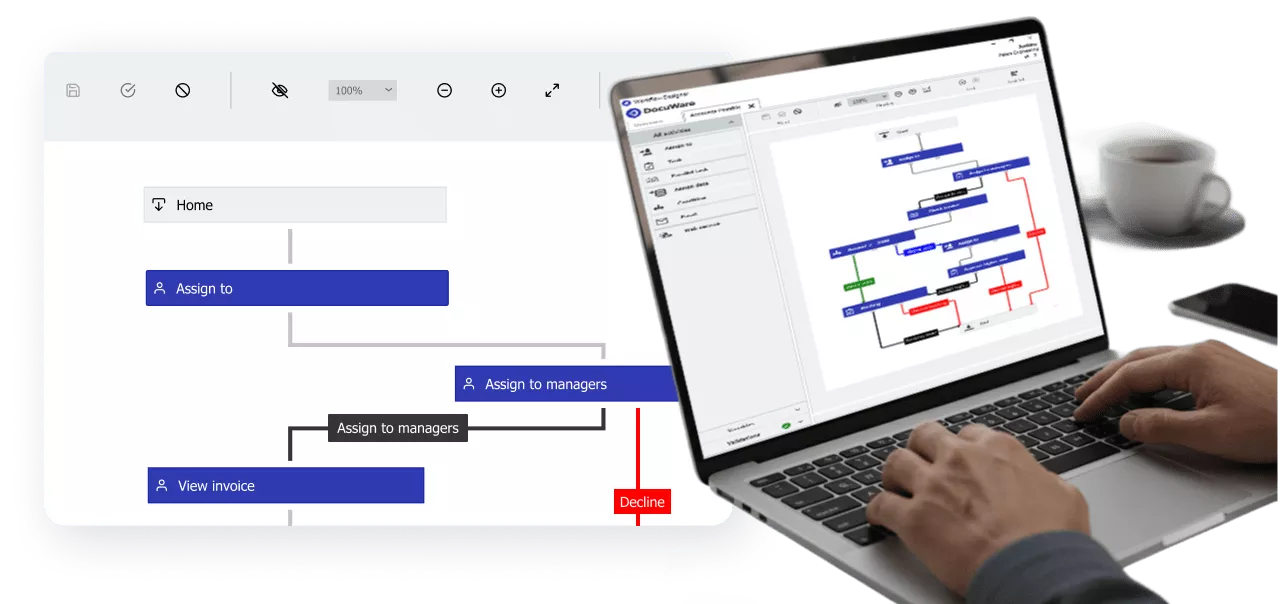
Route invoices based on predefined criteria. Set up rules to send high-value invoices to senior managers and routine bills to department heads. Enable automated notifications to keep approvers informed. This ensures that invoices are reviewed by the right people quickly, preventing bottlenecks.
Connect your AI tool to your accounting system. Ensure that approved invoices are automatically posted to the correct general ledger accounts. This eliminates manual data entry and ensures your financial records are always up to date. Test the integration with a few sample invoices to verify accuracy.
By following these steps, you can configure AI for accounts receivable to handle the heavy lifting. This allows your team to focus on strategic tasks rather than manual data entry. The result is a more efficient and accurate invoicing process.
Ensure 2026 regulatory compliance
The invoicing landscape shifts dramatically in 2026. Governments are moving from optional digital pilots to mandatory e-invoicing mandates, meaning your stack must handle real-time validation to avoid penalties. In Europe, the law of 6 February 2024 makes electronic invoicing mandatory from 1 January 2026 for all domestic VAT-registered B2B transactions [src-serp-4]. India follows with April 2026 deadlines for larger taxpayers [src-serp-5]. To stay compliant, configure your automation to validate data structures against these new legal requirements before the invoice leaves your system.
Validate European E-Invoicing Standards
The European Union requires invoices to be structured data that can be processed automatically. Your automation must generate invoices in formats like PEPPOL or ZUGFeRD, depending on the recipient’s country. Ensure your ERP or accounting software is configured to output these specific XML-based formats. If your current system only produces PDFs, you will need a middleware layer that converts and validates the data structure in real-time. This step is non-negotiable for B2B invoicing automation in the EU.
Prepare for Indian GST Mandates
In India, e-invoicing becomes mandatory from 1 April 2026 for businesses with an aggregate annual turnover exceeding Rs. 5 crore [src-serp-5]. For those with a turnover of Rs. 10 crore and above, the 30-day time limit for reporting e-invoices on the IRP portal applies immediately. Your automation must connect to the Indian Revenue Network (IRN) to generate a unique Invoice Reference Number. Test this connection early, as network latency can disrupt high-volume billing cycles. Failure to report on time results in penalties and blocked input tax credits.
Audit Error Rates and Processing Costs
Invoice errors can increase processing cost by up to 20% [src-serp-5]. Before the 2026 deadlines hit, run a compliance audit on your current invoicing process. Identify where manual interventions occur, as these are the primary sources of data errors. Automate the validation of tax IDs, address fields, and line-item descriptions against the new regulatory templates. This proactive approach ensures your strategy reduces costs rather than amplifying them through compliance failures.
Fix common B2B invoicing automation errors
Data mismatch and approval bottlenecks still stall cash flow. Invoice errors can increase processing cost by up to 20%, making early detection essential. Use the incoming invoice register to flag discrepancies before they hit your general ledger.
Resolve data mismatches
Map fields from purchase orders to invoices before enabling auto-posting. If line items or tax codes differ, route the document to a manual queue rather than forcing a match. This prevents incorrect ledger entries and keeps your data clean.
Break approval bottlenecks
Set clear routing rules based on invoice amount and vendor type. If an approver is out of office, the system should automatically escalate to their delegate. This ensures invoices move through the pipeline without sitting in a single person’s inbox.
Handle compliance gaps
New e-invoicing rules take effect in April 2026 for businesses exceeding specific turnover thresholds. Ensure your automation software supports the required government portal formats to avoid reporting delays and penalties.
Check your automation readiness
Before going live, verify that your system handles real-world edge cases. Invoice errors increase processing cost by up to 20%, so a final validation sweep is essential to prevent revenue leakage.
Run these checks to ensure compliance and operational stability:
- Test end-to-end generation for standard and complex B2B orders.
- Validate tax calculations against current 2026 regulatory mandates.
- Confirm seamless data flow between your ERP and payment gateways.
- Verify that customer portals display invoices correctly on mobile devices.
-
Test end-to-end generation for standard and complex B2B orders.
-
Validate tax calculations against current 2026 regulatory mandates.
-
Confirm seamless data flow between your ERP and payment gateways.
-
Verify that customer portals display invoices correctly on mobile devices.
Frequently asked: what to check next
What are the new rules for invoicing in 2026? B2B invoicing compliance varies by region. In India, e-invoicing becomes mandatory from April 1, 2026, for businesses with an annual turnover exceeding ₹5 crore. In Europe, the law passed in February 2024 makes electronic invoicing mandatory for all domestic B2B transactions starting January 1, 2026. You must ensure your system generates compliant XML or PEPPOL formats to avoid penalties.
How does automation reduce invoice errors? Manual data entry is the primary source of invoice errors, which can increase processing cost by up to 20% [src-serp-5]. Automated workflows pull data directly from your ERP or sales platform, eliminating typos and duplicate entries. This reduces the need for manual reconciliation and speeds up payment cycles.
Is B2B invoicing automation worth the investment? Yes. Beyond regulatory compliance, automated systems handle validation, routing, and payment tracking without human intervention. This reduces administrative overhead and ensures you capture revenue faster. With global mandates tightening, manual invoicing is becoming a liability rather than an option.
No comments yet. Be the first to share your thoughts!