
The 2026 B2B Payment Landscape
The architecture of B2B payments is undergoing a structural shift in 2026, moving away from fragmented, manual legacy rails toward integrated, automated ecosystems. This transition is no longer optional; it is driven by the need to compress decision cycles and manage rising operational complexity. As noted in recent industry analyses, competitive differentiation in B2B transactions is shifting from product features to experience, value, and speed [FedEx 2026 B2B Trends].
At the core of this shift is the convergence of artificial intelligence and stablecoin infrastructure. AI is no longer just a buzzword but a functional layer for dispute resolution and real-time fraud detection, directly impacting Days Sales Outstanding (DSO). Simultaneously, stablecoins are providing a compliant, programmable alternative for cross-border settlements, offering near-instant finality that traditional correspondent banking cannot match. However, this adoption requires rigorous compliance frameworks to mitigate regulatory and liquidity risks.
The market reflects this urgency. According to Custom Market Insights, the B2B payments market was valued at approximately $1.19 trillion in 2023 and is projected to reach $1.69 trillion by 2033, growing at a 9% CAGR [Custom Market Insights]. This growth is not merely volumetric; it represents a fundamental change in how capital moves between enterprises. CFOs are prioritizing platforms that offer end-to-end visibility, reducing the reliance on manual reconciliation and enabling real-time cash flow management.
Note: The chart above reflects the broader fintech sector's volatility and growth trajectory, serving as a proxy for the investment trends driving B2B payment innovation.
AI in invoicing cuts DSO fast
Artificial intelligence transforms invoicing from a reactive administrative task into a proactive cash flow management tool. By automating dispute resolution, smart matching, and predictive analytics, finance teams can significantly reduce Days Sales Outstanding (DSO). The mechanism is simple: remove human latency from the payment cycle.
Automated dispute resolution uses natural language processing to categorize invoice discrepancies. Instead of waiting for a finance clerk to manually review a mismatched purchase order, AI flags the issue and routes it to the correct vendor contact or internal department. This reduces the time invoices spend in "disputed" status, which is the primary driver of extended DSO. Smart matching further accelerates this by automatically reconciling three-way documents—invoice, purchase order, and goods receipt—without manual intervention.
Predictive cash flow management leverages historical payment data to forecast when specific customers will pay. This allows treasury teams to optimize liquidity and reduce reliance on short-term borrowing. According to industry analysis, AI-driven automation can reduce invoice processing time by up to 70%, directly correlating to faster settlement cycles. As agentic commerce evolves, AI-powered agents are increasingly managing routine transactions, matching invoices to payments in real-time.

The financial impact is measurable. Companies implementing AI in their invoicing workflows report a 20-30% reduction in DSO within the first year. This is not merely a speed improvement; it is a structural shift in how capital is deployed. By automating the "middle mile" of the payment process, businesses unlock working capital that was previously trapped in administrative bottlenecks.
Stablecoin rails for cross-border speed
Traditional cross-border B2B payments are increasingly constrained by the legacy SWIFT network, which often introduces settlement delays of three to five business days and exposes companies to FX volatility during transit. Stablecoin rails, primarily utilizing USDC and USDT, offer a structural alternative by enabling near-instant settlement on blockchain networks. This shift transforms international payments from a delayed logistical process into a real-time financial operation, directly reducing Days Sales Outstanding (DSO) and improving working capital efficiency.
For CFOs managing global supply chains, the primary advantage is the elimination of intermediary correspondent banks. Each intermediary in the traditional SWIFT chain adds fees and processing time, often obscuring the final settlement amount. Stablecoin transactions settle directly between the payer and payee, typically within minutes, regardless of the geographic distance. This speed allows businesses to execute trades, pay suppliers, and reconcile accounts in the same cycle, effectively compressing the cash conversion cycle.
The integration of stablecoins into invoice software requires careful attention to compliance and risk management. While the technology offers speed, it operates in a regulatory environment that is still evolving. Companies must ensure their payment processors adhere to Anti-Money Laundering (AML) and Know Your Customer (KYC) standards to mitigate legal exposure. Additionally, while stablecoins are pegged to fiat currencies, they are not risk-free; smart contract vulnerabilities and regulatory shifts remain considerations for treasury departments.

Adopting stablecoin rails is not merely a technological upgrade but a strategic move to future-proof payment operations. As the sector continues to grow, with projections indicating significant expansion through 2033, early adopters are gaining a competitive edge through faster liquidity and lower transaction costs. The key is implementing these rails within a robust, compliant framework that balances innovation with fiscal responsibility.
B2B fraud prevention with virtual cards
Modern automation platforms are shifting fraud defense from reactive dispute resolution to proactive transaction control. By issuing single-use virtual cards for supplier payments, finance teams can enforce strict limits on amount, merchant category, and expiration, effectively neutralizing the primary vectors of invoice fraud and business email compromise (BEC).
Unlike traditional ACH or wire transfers, which are irreversible once settled, virtual cards operate within the existing credit card network infrastructure. This allows for real-time authorization checks and immediate transaction blocking if parameters are violated. UATP notes that this approach offers more advanced fraud protection than standard account-to-account transfers, as each payment is tokenized and isolated, preventing credential reuse across different vendor relationships.
The mechanism works by generating a unique card number for every invoice. If a fraudulent actor intercepts the payment instructions, the stolen card details are useless for any transaction other than the specific, limited amount authorized for that single invoice. This containment strategy significantly reduces the financial exposure per incident and simplifies the audit trail for compliance reporting.
| Payment Method | Fraud Control | Reversibility | Automation Level |
|---|---|---|---|
| ACH/Wire | Low (Post-facto dispute) | Difficult/Impossible | Manual Verification |
| Virtual Cards | High (Pre-transaction limits) | Easy (Chargeback) | Full API Integration |
| Stablecoin Escrow | Medium (Smart contract logic) | Conditional | High (Conditional Release) |
Choosing the right automation stack
Selecting a B2B payment automation vendor requires evaluating how well the platform bridges legacy infrastructure with emerging rails. CFOs must prioritize integration capabilities that reduce Days Sales Outstanding (DSO) while ensuring the system supports both traditional ACH/wire transfers and compliant stablecoin settlements. The goal is to consolidate payment flows into a single source of truth without introducing regulatory blind spots.
Verify the vendor’s API maturity and ERP connectivity. A robust stack must sync in real-time with your existing ERP to automate invoice matching and reconciliation. Look for pre-built connectors for major platforms like SAP, Oracle, or NetSuite to minimize custom development costs and ensure data integrity across systems.
Ensure the platform enforces strict KYC/AML protocols for all transaction types, including crypto. For stablecoin payments, the vendor must provide transaction monitoring that flags suspicious activity and maintains an immutable audit trail. Compliance should be baked into the workflow, not added as an afterthought, to protect against regulatory penalties and reputational damage.
Evaluate how the system handles mixed payment methods. The ideal stack allows you to pay vendors via traditional wires or stablecoins based on cost and speed preferences. Check if the platform offers automated currency conversion and real-time FX rates to hedge against volatility when settling cross-border invoices in digital assets.
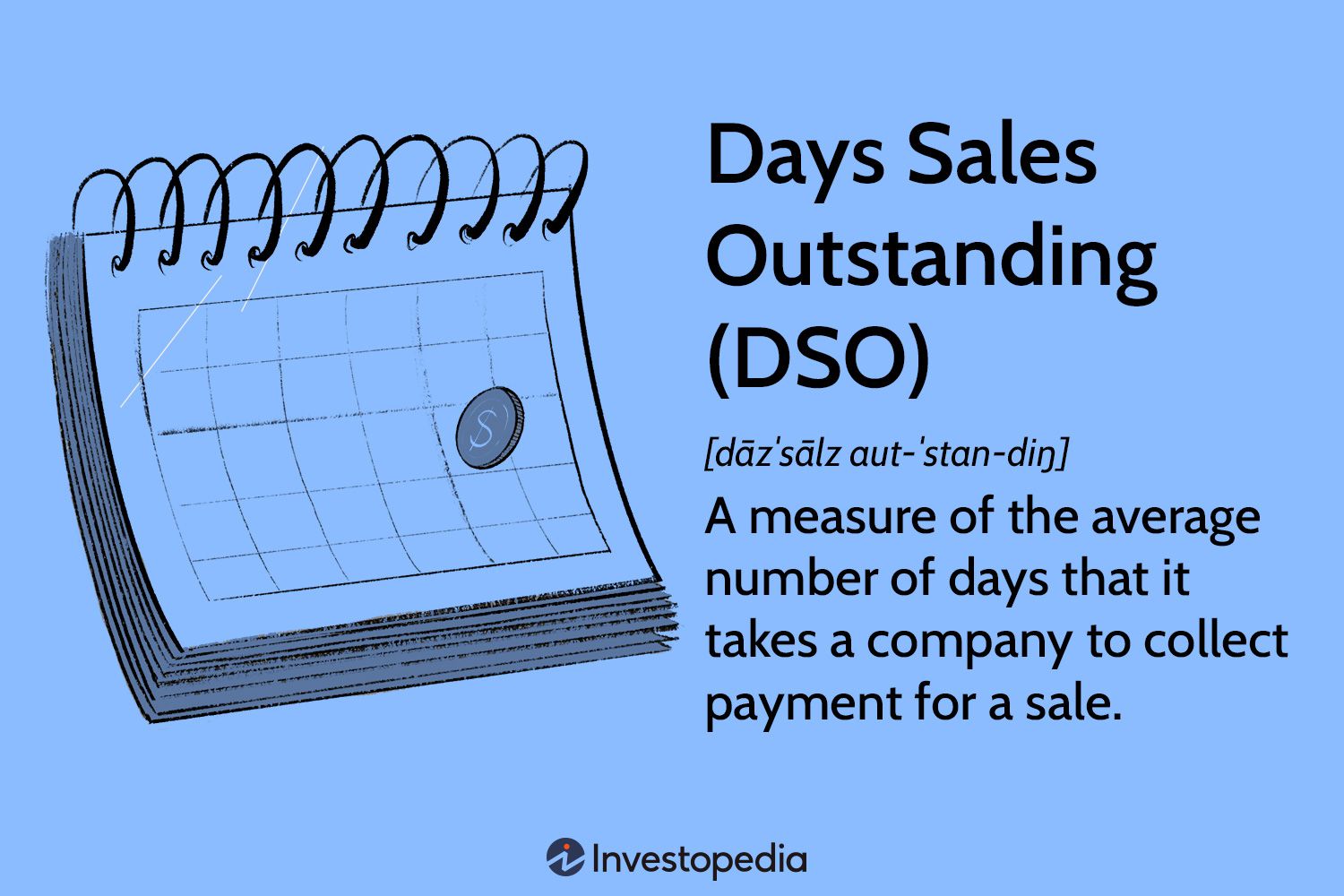
Define success by concrete outcomes: DSO reduction, settlement time, and error rates. Request case studies showing how the vendor’s automation reduced manual touchpoints or accelerated cash flow. Prioritize platforms that offer AI-driven dispute resolution and fraud detection to streamline the accounts receivable process.
KeyTakeaways items=["Prioritize ERP integration depth to ensure real-time data sync","Verify KYC/AML compliance for both fiat and stablecoin transactions","Test multi-rail support for flexible vendor payments","Measure success by DSO reduction and automated dispute resolution"]
No comments yet. Be the first to share your thoughts!