Why 2026 changes B2B invoicing
The era of sending PDF attachments in email is ending for B2B transactions in Europe. Starting January 1, 2026, Belgium becomes the first major EU market to mandate digital invoicing for all VAT-registered businesses. Germany follows closely behind with its own mandatory rollout on the same date, requiring electronic invoices in the B2B sector.
This regulatory wave is not merely a preference for digital records; it is a structural shift toward structured, automated data exchange. Legacy systems that rely on static documents cannot parse the automated tax checks required by these new laws. Businesses using traditional invoicing methods will face immediate compliance gaps, delayed payments, and manual reconciliation errors.
The 2026 B2B invoicing trends point toward a single reality: automation is no longer optional. To maintain cash flow and meet compliance standards, companies must migrate to software that generates machine-readable invoices directly from the start of the transaction. The window to adapt is closing fast.
How AI and stablecoins speed up cash flow
The 2026 B2B invoicing landscape is defined by two converging technologies: artificial intelligence and stablecoin settlements. Together, they address the two biggest friction points in traditional accounts receivable—manual data entry errors and cross-border payment delays. This shift is not merely about automation; it is about creating a continuous, real-time cash flow cycle that reduces the days sales outstanding (DSO) significantly.
AI eliminates the manual bottleneck
Legacy invoicing systems require staff to manually extract data from purchase orders, match it against line items, and verify tax codes. This process is slow and prone to human error, leading to disputes that stall payment. Modern AI-driven invoicing software uses optical character recognition (OCR) and natural language processing to read invoices and purchase orders automatically.
These systems validate data against historical patterns and contract terms before the invoice even reaches the approval stage. By catching discrepancies early, AI reduces the need for back-and-forth emails between accounts payable and receivable teams. The result is a cleaner data pipeline that integrates seamlessly with your ERP, ensuring that financial records are accurate from the moment the invoice is issued.
Stablecoins remove cross-border friction
While AI optimizes the front end of the invoicing process, stablecoins address the settlement end. Traditional international wire transfers can take three to five business days to clear, often incurring high FX fees and intermediary bank charges. This delay ties up working capital and creates uncertainty for both buyer and seller.
Stablecoins, pegged to fiat currencies like the US dollar, enable near-instant settlement across borders. Because they operate on blockchain networks, transactions settle in minutes rather than days, and fees are a fraction of traditional banking costs. For global B2B transactions, this means cash is available for reinvestment or operational use almost immediately, improving liquidity without the complexity of managing multiple foreign currency accounts.
The combined impact on working capital
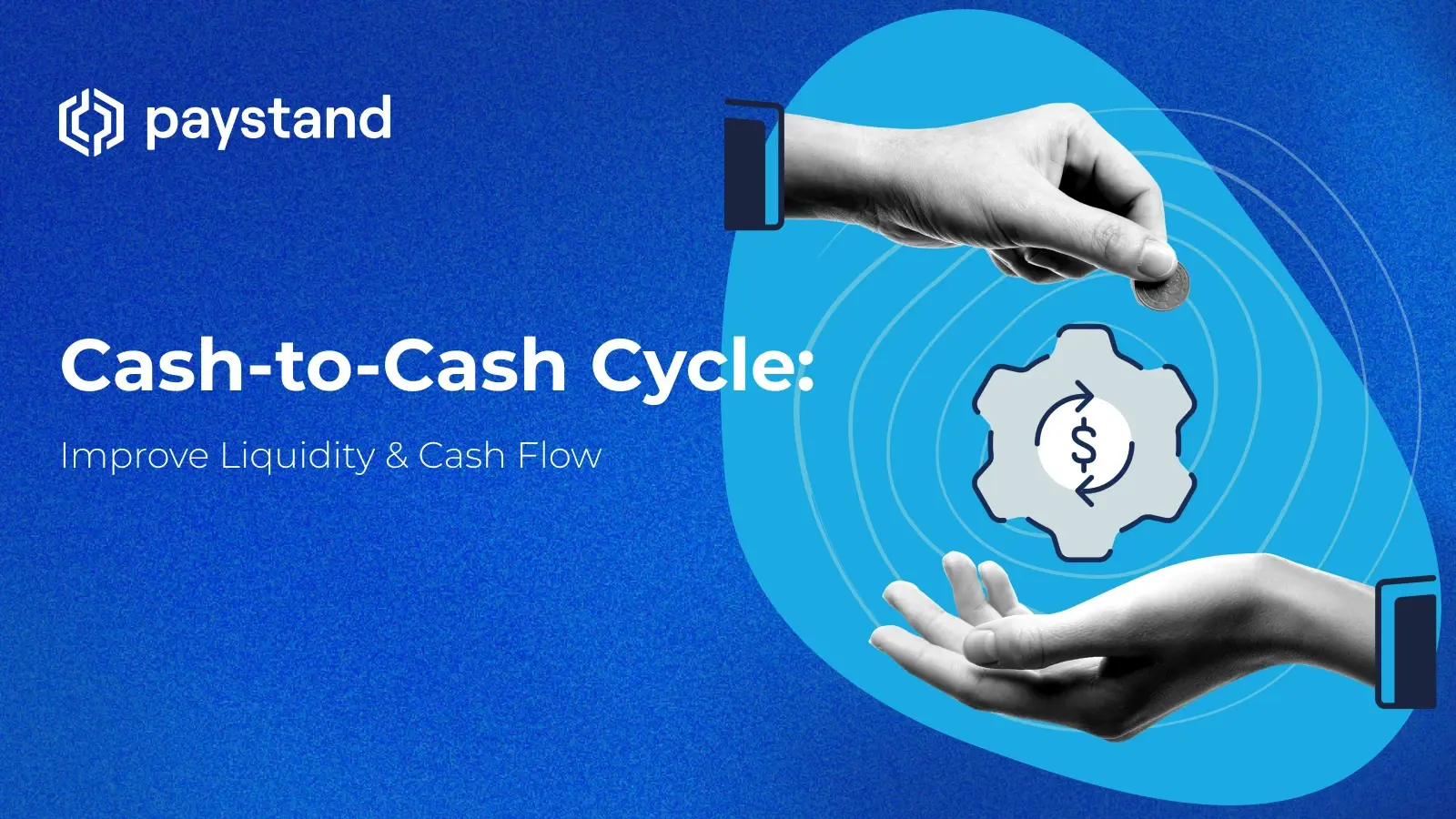
When AI automation and stablecoin settlements work together, the impact on cash flow is multiplicative. AI ensures the invoice is correct and approved quickly, while stablecoins ensure the payment arrives instantly. This combination reduces the cash conversion cycle, allowing businesses to operate with less idle capital.
For companies managing high volumes of international transactions, this technology stack offers a competitive advantage. It reduces administrative overhead, minimizes FX risk, and provides real-time visibility into cash positions. As B2B invoicing trends in 2026 continue to evolve, early adoption of these tools will likely separate agile, cash-rich firms from those stuck in legacy payment cycles.
Top B2B invoicing platforms for 2026
The landscape for B2B invoicing trends 2026 is defined by strict regulatory deadlines and the urgent need for automated cash flow. As governments in Belgium, France, and beyond enforce mandatory e-invoicing, the software you choose must do more than generate PDFs. It needs to handle automated tax checks, Peppol network integration, and automated payment reconciliation to keep your business compliant and liquid.
The platforms below are selected for their ability to navigate these 2026 compliance requirements while reducing the manual work that slows down collections.
Zoho Invoice
Zoho Invoice is a strong choice for small to mid-sized businesses that need a complete ecosystem without a steep learning curve. It offers robust automation for recurring billing and payment reminders, which is essential for maintaining healthy cash flow in a B2B environment. The platform integrates seamlessly with the broader Zoho suite, allowing you to connect invoicing directly to CRM and project management tools.
For 2026 compliance, Zoho supports e-invoicing standards in key markets, though you may need to configure specific tax rules for countries like France or Italy. Its interface is clean and intuitive, making it easy for non-financial staff to issue professional invoices. The free tier for startups is generous, but advanced automation and multi-currency support require a paid plan.
Xero
Xero is a cloud-based accounting powerhouse that excels at automating the entire order-to-cash cycle. It connects directly with over 700 payment gateways, allowing clients to pay invoices instantly via credit card, bank transfer, or digital wallets. This speed is critical for 2026 B2B invoicing trends 2026, where faster payments offset the administrative burden of new tax regulations.
Xero’s automation features include bank rule matching and automated reconciliation, which significantly reduce the time finance teams spend on data entry. It also offers strong reporting capabilities, giving you real-time visibility into accounts receivable aging. While it is not a dedicated e-invoicing platform, its integrations with third-party e-invoicing networks make it a flexible choice for global businesses.
QuickBooks Online
QuickBooks Online remains the industry standard for small businesses, offering a familiar interface and extensive third-party app support. It provides solid automation for billing and expense tracking, helping you keep your books up to date without manual intervention. The platform’s strength lies in its ecosystem; you can easily add specialized e-invoicing apps to handle specific country mandates like Italy’s SDI or Spain’s VeriFactu.
For 2026 compliance, QuickBooks’ adaptability is its biggest asset. Rather than trying to build every global tax rule into the core product, it relies on a marketplace of specialized integrations. This allows you to pick and choose the tools that fit your specific regulatory needs. However, this modular approach means you may need to manage multiple subscriptions to achieve full global compliance.
Paystand
Paystand is built specifically for B2B transactions, focusing on reducing friction and accelerating payment cycles. It eliminates the need for traditional paper invoices or complex bank transfers by enabling instant digital payments directly from the invoice. This is particularly valuable for businesses dealing with large invoices or clients in regions with slower banking infrastructure.
The platform’s compliance features are designed for the evolving 2026 regulatory environment, with support for e-invoicing standards and automated tax checks. Paystand’s unique value proposition is its ability to turn invoices into immediate cash flow, reducing the days sales outstanding (DSO) that often plague B2B companies. It is ideal for businesses that prioritize speed and liquidity over general accounting features.
| Platform | Best For | E-Invoicing Readiness | Payment Integration | Pricing Model |
|---|---|---|---|---|
| Zoho Invoice | Small businesses needing an all-in-one suite | High (with configuration) | Multiple gateways | Freemium / Tiered |
| Xero | Automation and global accounting | Medium (via integrations) | 700+ gateways | Tiered |
| QuickBooks Online | Familiarity and app ecosystem | Medium (via marketplace) | Multiple gateways | Tiered |
| Paystand | B2B-specific speed and liquidity | High (native support) | Instant digital payments | Usage-based |
| Platform | Best For | E-Invoicing Readiness | Payment Integration | Pricing Model |
|---|---|---|---|---|
| Zoho Invoice | Small businesses needing an all-in-one suite | High (with configuration) | Multiple gateways | Freemium / Tiered |
| Xero | Automation and global accounting | Medium (via integrations) | 700+ gateways | Tiered |
| QuickBooks Online | Familiarity and app ecosystem | Medium (via marketplace) | Multiple gateways | Tiered |
| Paystand | B2B-specific speed and liquidity | High (native support) | Instant digital payments | Usage-based |
Key features to look for in 2026
When evaluating B2B invoicing software for 2026 compliance, start by verifying that the platform supports structured data formats like XML or JSON, not just PDF generation. Ensure the software integrates directly with Peppol networks or local government portals in your target markets, such as Belgium’s Crossroads Bank for Enterprises (CBE) or Germany’s ZRE. Without native integration, you risk manual re-entry errors that defeat the purpose of automation.
Second, prioritize platforms that offer automated tax validation. The 2026 mandates require real-time verification of VAT numbers and tax codes against official registries. Software that performs these checks at the point of entry prevents rejection by tax authorities and reduces the administrative burden on your finance team.
Finally, look for seamless payment integration. The best platforms allow clients to pay directly from the invoice via bank transfer, credit card, or digital wallets. This reduces the days sales outstanding (DSO) and improves cash flow predictability. Avoid tools that require separate payment gateways or complex reconciliation processes, as these add friction to an already streamlined workflow.
Frequently asked questions about 2026 invoicing
When does mandatory B2B e-invoicing take effect in Belgium? Belgium is the first major European market to enforce a universal B2B e-invoicing mandate, starting January 1, 2026. All businesses registered for VAT in Belgium must issue and receive invoices in a structured electronic format. This deadline is non-negotiable and applies to all B2B transactions, regardless of company size. Companies that fail to comply face administrative penalties and potential delays in tax refunds.
How does the 2026 wave of global mandates affect B2B invoicing trends? The 2026 e-invoicing wave is reshaping VAT compliance strategies across multiple jurisdictions. Beyond Belgium, countries like Germany and Italy are implementing strict automated tax validation requirements. This shift forces businesses to move away from PDF or paper invoices toward standardized XML or PEPPOL formats. For B2B invoicing trends in 2026, the primary focus is on automated compliance to avoid rejection by tax authorities.
Is it legal to use cryptocurrency for B2B invoicing and payments? Using cryptocurrency for B2B transactions is legal in many jurisdictions, provided the business complies with local tax and anti-money laundering regulations. However, volatility and complex accounting treatments make stablecoins or direct fiat invoicing more practical for most B2B relationships. While some tech-forward firms accept crypto, the majority of 2026 B2B invoicing software focuses on traditional fiat and automated bank integrations to ensure predictable cash flow.
Helpful gear
Use these product recommendations as a starting point, then choose the size, material, and price point that fit how you actually use the gear.

As an Amazon Associate, we may earn from qualifying purchases.
No comments yet. Be the first to share your thoughts!