
Check 2026 e-invoicing mandates
The regulatory landscape for B2B invoicing is shifting from optional digitalization to strict legal requirement. For automated invoicing systems, this is not a matter of competitive advantage but of operational license. Starting in 2026, several major economies are enforcing mandatory e-invoicing with specific technical and timeline constraints. Your accounting infrastructure must be ready to handle these mandates without manual intervention.
Belgium is implementing the most immediate deadline. All VAT-registered businesses must adopt mandatory B2B e-invoicing by January 1, 2026. This requirement applies across the board for VAT-registered entities, leaving little room for phased adoption or legacy system reliance. Failure to comply will result in significant operational friction and potential penalties.
Malaysia is rolling out its MyInvois system in stages. Businesses with an annual turnover between RM1 million and RM5 million must begin compliance on January 1, 2026. Full enforcement, including penalty structures, follows on January 1, 2027. This phased approach allows for preparation, but the technical integration must be completed well before the 2026 deadline.
India is tightening its Goods and Services Tax (GST) framework. From April 1, 2026, e-invoicing becomes mandatory for taxpayers with an aggregate annual turnover exceeding Rs. 5 crore. For those with turnover above Rs. 10 crore, the 30-day reporting limit on the Invoice Registration Portal (IRP) is strictly enforced from this date. This creates a clear bifurcation in compliance requirements based on business size.
Germany is also moving toward mandatory B2B e-invoicing in 2026, though the specific technical framework and final effective dates are still being refined. Given the rapid pace of regulatory change, treating automation as a "future project" is no longer a viable strategy. You must audit your current invoicing capabilities against these specific jurisdictional requirements now.
Select a compliant automation platform
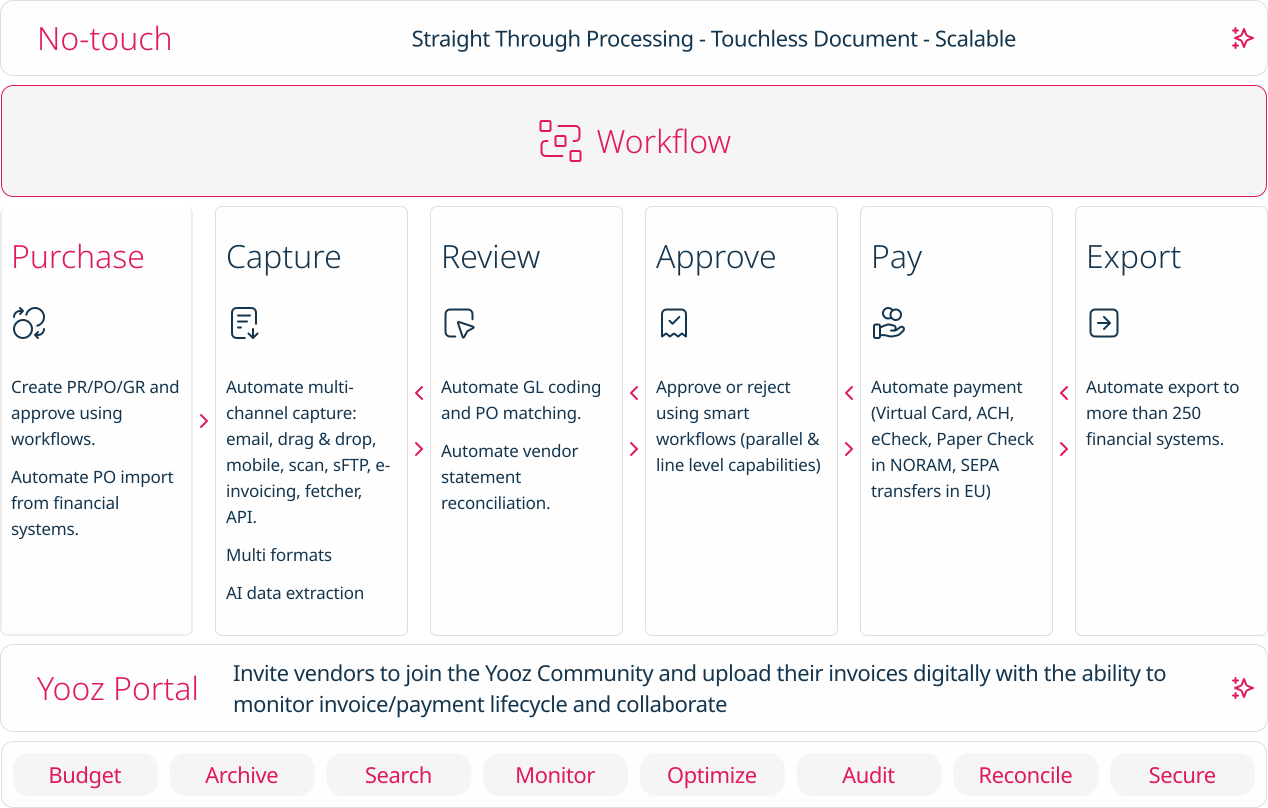
Choosing the right automated B2B invoicing platform requires balancing regulatory mandates with your existing technical stack. The goal is to find a solution that validates invoices against local rules—such as PEPPOL standards or mandatory JSON/XML formats—before they leave your system. This prevents rejection by tax authorities or buyer portals.
Start by verifying that the platform integrates directly with your current ERP or accounting software. A disconnected tool creates data silos and requires manual re-entry, which defeats the purpose of automation. Look for native connectors to major providers like NetSuite, SAP, or QuickBooks, ensuring that invoice data flows seamlessly from creation to payment.
When evaluating vendors, prioritize those that support real-time compliance checks. The regulatory landscape for 2026 is shifting rapidly, with new thresholds and validation requirements emerging in key markets like India and Malaysia. A robust platform should automatically update its validation rules to reflect these changes, reducing the risk of non-compliance penalties.
Use the comparison below to evaluate how leading platforms handle compliance, AI-driven data extraction, and settlement speed. This helps you identify which solution aligns with your specific operational needs.
| Platform | Compliance Support | AI Features | Settlement Speed |
|---|---|---|---|
| Yooz | PEPPOL, VAT, GST | OCR for line items | 3-5 business days |
| Bill.com | US Tax, 1099 | Data extraction, fraud detection | Same-day (with Bill.com Card) |
| Avalara | Global tax rules, PEPPOL | Tax calculation, validation | Via partner networks |
| Coupa | Multi-country e-invoicing | Spend analytics, anomaly detection | Integrated with bank partners |
Configure invoice data templates
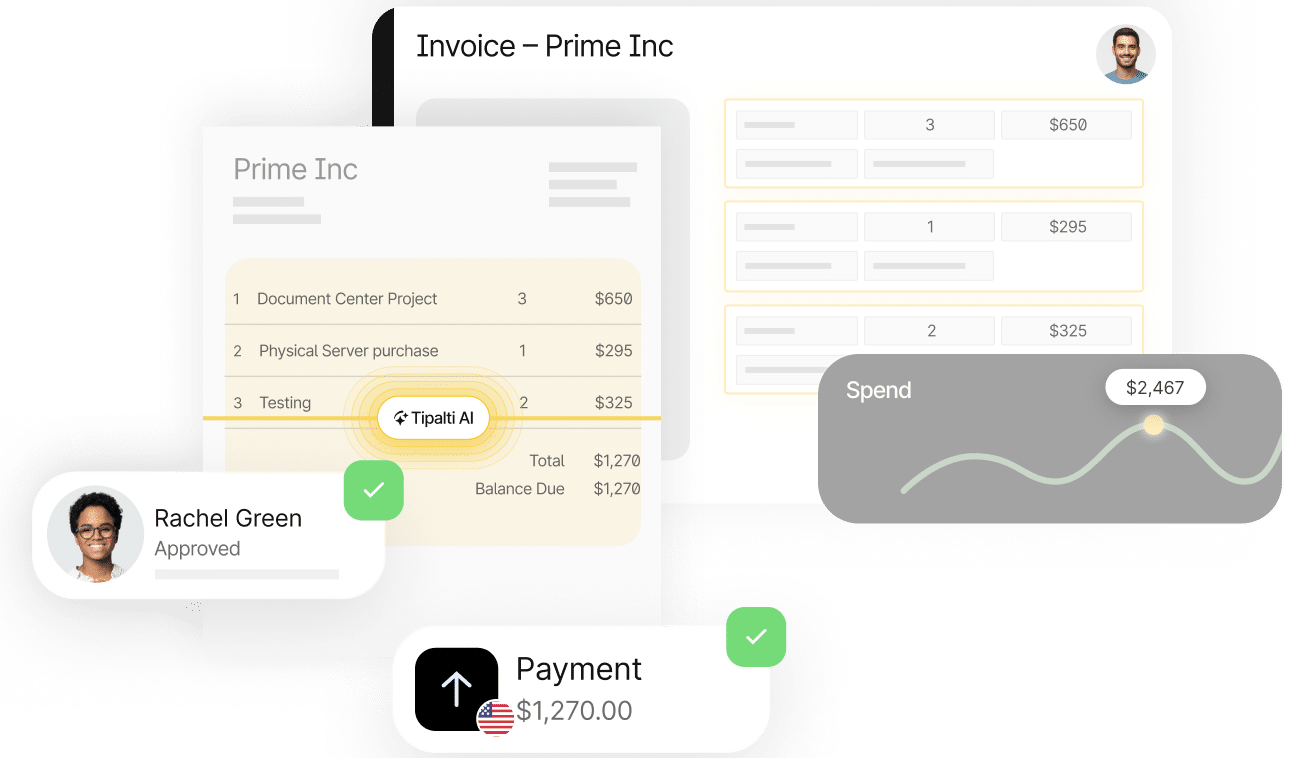
Automated B2B Invoicing works best as a sequence, not a scramble through settings. Do the minimum first: confirm compatibility, connect the core hardware, update only when needed, and test the result before adding optional features. That order keeps the task understandable and makes failures easier to isolate. After each step, pause long enough for the interface to finish syncing. Many setup problems are timing problems disguised as configuration problems. If the same step fails twice, record the exact error, restart the smallest affected piece, and retry before moving deeper.

Test the automated workflow
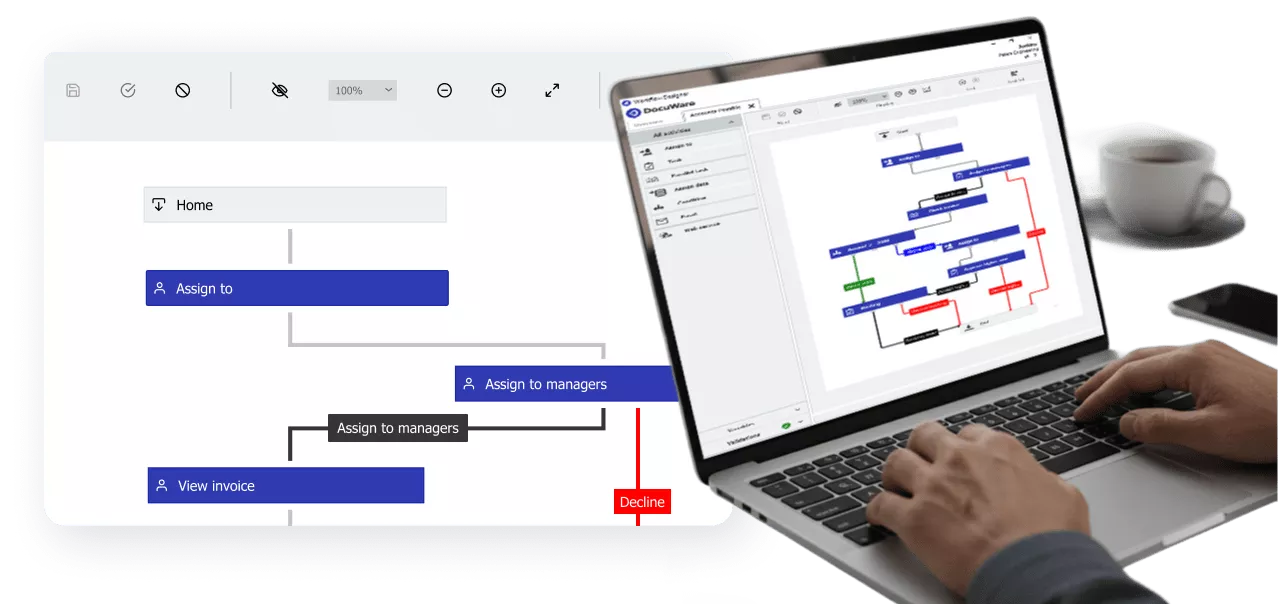
The easiest mistake with Automated B2B Invoicing is comparing options on the most visible detail while ignoring the day-to-day constraint. A choice can look strong on paper and still fail because it is too hard to maintain, too expensive to repeat, or awkward in the actual setting. Use the same checklist for every option: fit, cost, durability, timing, upkeep, and fallback plan. That keeps the comparison practical instead of drifting into preference alone.

No comments yet. Be the first to share your thoughts!