
Map your 2026 compliance deadlines
The transition from optional digitization to mandatory automation is no longer a future scenario; it is a current regulatory reality. For B2B operations, the 2026 compliance calendar is defined by hard stop dates in major markets. Missing these windows triggers immediate penalties, making it essential to identify which mandates apply to your specific supply chain.
Belgium is the first major European market to enforce mandatory B2B e-invoicing, with the requirement taking effect on January 1, 2026. This mandate requires all businesses to issue, receive, and store electronic invoices in a structured format. Germany follows closely, introducing its "Rechnung in Digital" legislation on the same date, which fundamentally shifts B2B invoicing from paper-based processes to digital standards.
Beyond Europe, other regions are implementing phased rollouts based on revenue thresholds. In India, the Goods and Services Tax (GST) network mandates e-invoicing for businesses with an aggregate annual turnover exceeding Rs. 5 crore. This rule becomes effective on April 1, 2026, requiring real-time reporting to the Invoice Registration Portal (IRP). Similarly, Malaysia’s Inland Revenue Board (LHDN) requires all businesses earning between RM1 million and RM5 million annually to validate invoices through the MyInvois platform starting January 1, 2026.
These mandates are not isolated events but part of a global shift toward digital tax transparency. To prepare, you must audit your invoicing workflows against these specific regional timelines. Identify which of these jurisdictions apply to your customer base and begin integrating compliant e-invoicing solutions before the enforcement dates arrive.
Select the right automation platform
Choosing an automated B2B invoicing platform requires looking past feature checklists. The real differentiators are how deeply the system integrates with your existing ERP, the robustness of its API for custom workflows, and its native support for global compliance standards like PEPPOL and ZUGFeRD.
1. Verify ERP and API integration depth
Your invoicing tool must speak the same language as your accounting software. Look for pre-built, bidirectional connectors that sync customer data, line items, and payment statuses without manual intervention. If a custom integration is required, the platform’s API documentation should be comprehensive, supporting RESTful endpoints for creating invoices, retrieving payment status, and handling errors.
2. Check compliance support (PEPPOL, ZUGFeRD)
As regulatory landscapes shift, manual compliance becomes a liability. Ensure your platform natively supports current e-invoicing standards. For European transactions, PEPPOL (Pan-European Public Procurement On-Line) connectivity is often mandatory. For hybrid paper-digital workflows, ZUGFeRD compatibility ensures that PDF invoices contain embedded XML data readable by tax authorities. Platforms that require third-party add-ons for these standards add unnecessary friction.
3. Compare top platforms side-by-side
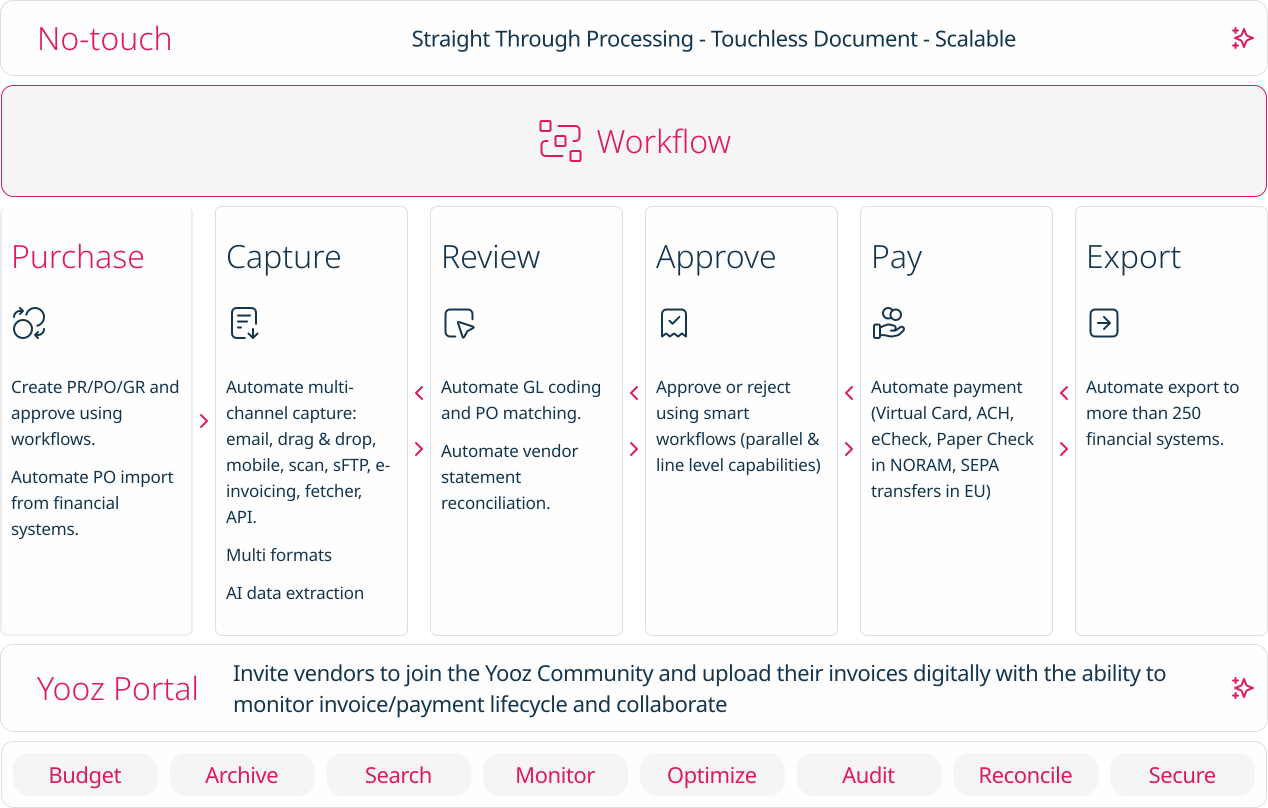
Use the table below to compare leading platforms on integration depth, compliance support, and cost structure. This comparison focuses on technical capabilities relevant to automated B2B invoicing workflows.
| Platform | ERP Integration | Compliance Support | Cost Structure |
|---|---|---|---|
| LedgerUp | Native SaaS API | PEPPOL, ZUGFeRD | Per-invoice + monthly |
| Stripe Billing | REST API + Webhooks | Limited regional e-invoicing | Transaction fee + flat |
| Chargebee | Native (NetSuite, SAP) | PEPPOL, ZUGFeRD | Subscription-based |
| Zuora | Deep ERP connectors | Global e-invoicing | Enterprise pricing |
Configure your invoice workflow
Setting up automated B2B invoicing requires mapping your data sources to a validation engine before enabling delivery. This sequence ensures that your system can handle the stricter compliance demands of 2026, such as the mandatory e-invoicing thresholds in Malaysia and India.
Connect your ERP or accounting software to the invoicing platform. Map every required field—invoice number, date, line items, and tax codes—to the corresponding template slots. Incomplete mappings are the primary cause of rejected invoices, which increase processing costs by up to 20% [src-serp-3].
Configure rules to check for data integrity before the invoice leaves your system. These rules should verify that tax IDs are formatted correctly, line items sum to the total, and mandatory compliance fields (like the 30-day reporting window in India) are present. Automated validation cuts mistakes and reduces fraud risks [src-serp-6].
Specify how the validated invoice reaches the buyer. For B2B transactions, this often means integrating with a government reporting portal (like MyInvois in Malaysia) for validation, followed by digital delivery via email, EDI, or a buyer portal. Ensure the routing logic handles exceptions, such as missing buyer emails, by flagging them for manual review.
Run a pilot batch of real transactions through the new workflow. Verify that the invoice is validated, reported to the necessary authority, and received by the buyer without errors. This step confirms that your automation is ready for full-scale deployment.
Integrate stablecoin settlement options
Integrating stablecoin settlement options transforms cross-border B2B payments from a multi-day banking process into an instantaneous transaction. By settling invoices in USDC or USDT on regulated networks, your finance team can significantly reduce Days Sales Outstanding (DSO) and eliminate the friction of intermediary correspondent banks. This approach is particularly effective for recurring international invoices where speed and transparency are paramount.
Step 1: Assess legal and compliance requirements
Before integrating any crypto rails, you must verify the regulatory standing of stablecoin payments in your jurisdiction. The Financial Action Task Force (FATF) guidance on virtual assets requires robust Know Your Customer (KYC) and Anti-Money Laundering (AML) checks. Ensure your corporate treasury can handle the accounting treatment of crypto assets, which varies by region, and that your legal team approves the use of digital assets for B2B contract fulfillment.
Step 2: Select a compliant payment gateway
Do not attempt to manage private keys directly for routine invoicing. Instead, integrate with a licensed B2B payment gateway that supports stablecoin settlement. These platforms act as the bridge between your invoicing software and the blockchain, handling the conversion, custody, and reporting. Look for providers that offer fiat on-ramps, allowing you to receive stablecoins and settle in local currency if your accounting policy prohibits holding crypto assets.
Step 3: Configure API endpoints for automation
Once the gateway is selected, configure the API to trigger settlement upon invoice acceptance. This ensures that when a buyer approves an invoice, the stablecoin transfer is initiated automatically. Map the transaction hash back to the invoice ID in your ERP system to maintain a clear audit trail. This automation closes the loop between billing and cash collection, reducing manual reconciliation errors.
Security considerations for corporate keys
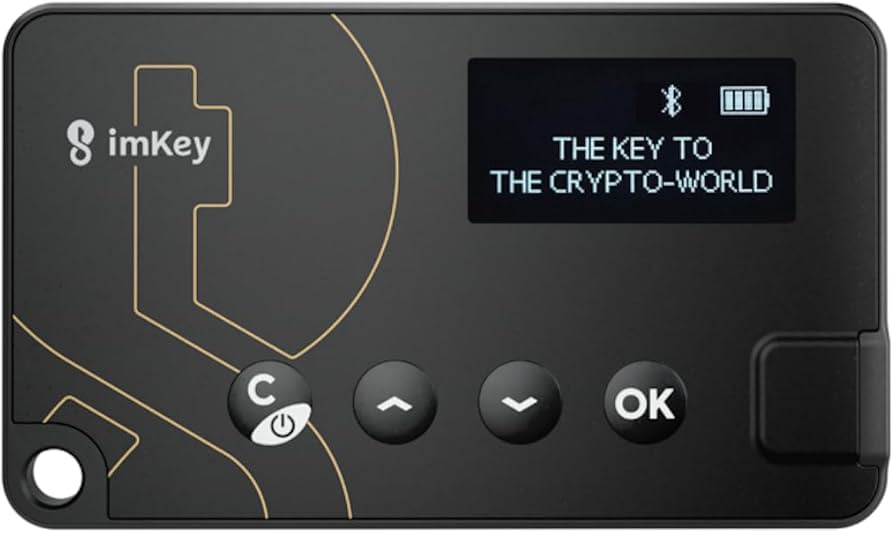
If your treasury model requires holding stablecoins rather than auto-converting, security becomes the primary technical constraint. You must implement multi-signature wallets to prevent single-point failures. Corporate keys should never reside on standard consumer devices. Use hardware security modules (HSMs) or institutional-grade custodial solutions that provide insurance against theft and require multiple authorized sign-offs for large transfers.

As an Amazon Associate, we may earn from qualifying purchases.
Audit your data before go-live
Invoice errors increase processing costs by up to 20%, making a rigorous data audit the most critical step before launching your automated B2B invoicing system. Without verifying data integrity, you risk automated rejections from government portals and delayed payments from clients.
Start by validating customer master data. Ensure every vendor and client record contains the exact tax identifiers required by your local jurisdiction, such as GSTIN for Indian entities or MyInvois IDs for Malaysian businesses. Mismatched tax codes are the leading cause of e-invoice rejection under new 2026 global regulations.
Next, audit your line-item structures. Confirm that product codes map correctly to standard classification systems and that tax rates are dynamically pulled from a single source of truth. This prevents the manual correction loops that stall cash flow.
Finally, run a compliance readiness checklist to catch gaps before they become costly errors.
Common questions about 2026 mandates
Regulatory timelines for automated B2B invoicing vary significantly by jurisdiction. Understanding local thresholds and effective dates is the first step in compliance planning. Below are answers to frequent questions regarding upcoming 2026 mandates.
No comments yet. Be the first to share your thoughts!