Why stablecoins change B2B invoicing
Traditional B2B invoicing is broken by friction. A standard cross-border payment takes three to five business days to clear, involving multiple correspondent banks, opaque intermediary fees, and manual reconciliation. For B2B invoice automation to work at scale, the settlement layer must be as fast as the digital workflow.
Stablecoins solve this by decoupling value transfer from the banking settlement cycle. When you issue a stable invoice, the payment settles in minutes, not days. This immediacy transforms cash flow management. Instead of waiting for funds to arrive, you can reinvest capital or pay suppliers almost instantly.
The cost difference is equally significant. Traditional wire transfers often deduct 1-2% in FX fees and flat processing charges. Stablecoin transactions typically cost pennies, regardless of the amount. This efficiency is critical for high-volume B2B operations where margins are thin and speed is a competitive advantage.
Set up your Stable Invoice workspace
Configuring your Stable Invoice workspace is the foundation for automated B2B invoicing. A proper setup ensures that your payment workflows are secure, compliant, and ready to handle cross-border transactions without manual intervention.
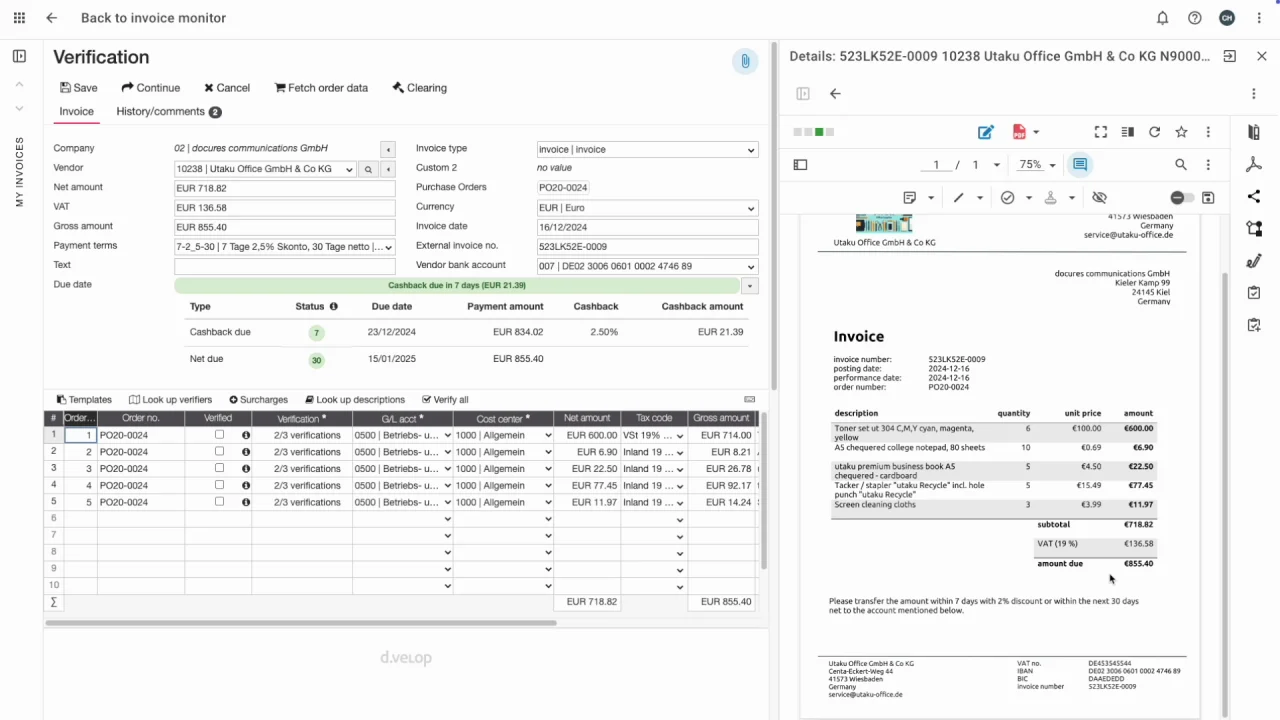
Start by registering on the Stable Invoice platform using your corporate email. You will need to provide basic business details, including your legal entity name and registration number. This initial step creates your dashboard where all future invoice data and payment histories will be stored.
To comply with 2026 global e-invoicing mandates, you must complete identity verification. Upload your business license and proof of address. This process prevents fraud and ensures that your invoices are recognized as valid legal documents across different jurisdictions, particularly in Europe and the Middle East where new rules took effect this year.
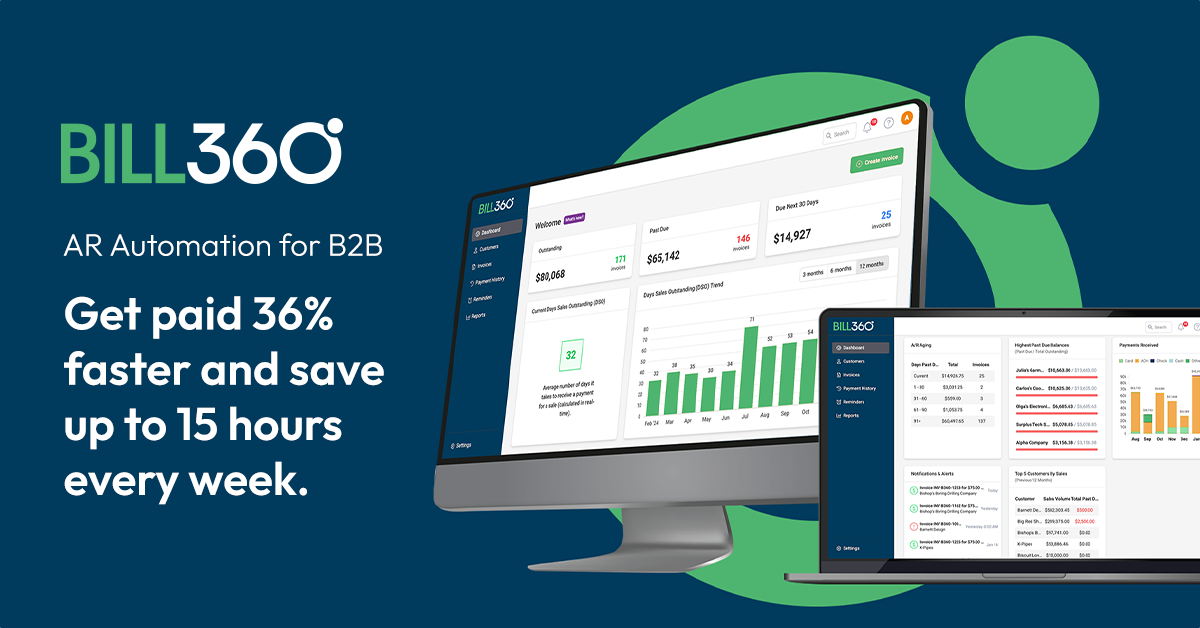
Stable Invoice relies on blockchain technology for settlement. Connect your business wallet (such as MetaMask or a hardware wallet) to the platform. This connection allows you to receive payments in stablecoins directly. Ensure your wallet is funded or linked to a fiat on-ramp if you need to convert payments into traditional currency for operational expenses.
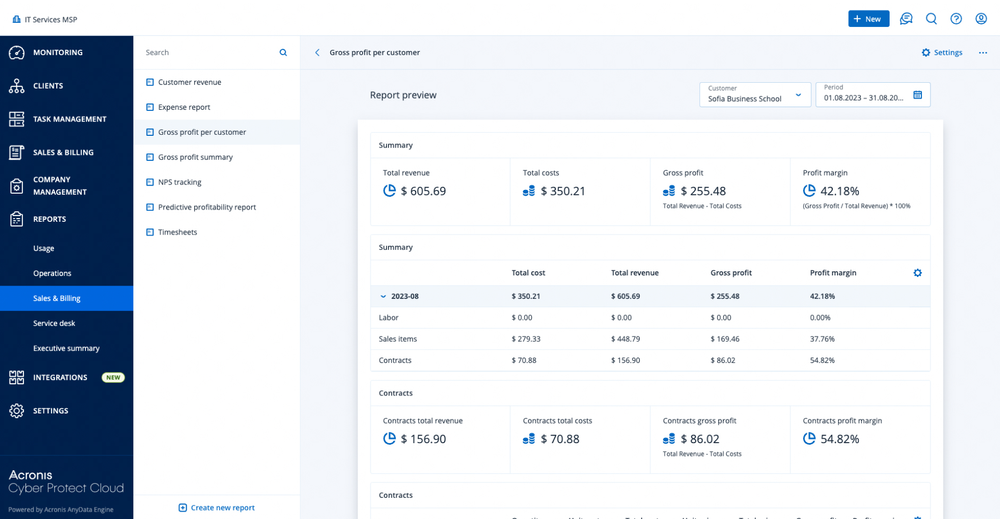
Choose USDC or USDT as your primary invoicing currency. These stablecoins minimize exchange rate volatility compared to Bitcoin or Ethereum. Setting this default ensures that all generated invoices maintain a consistent value, simplifying accounting and reducing the need for constant financial reconciliation.
Once these steps are complete, your workspace is ready to generate invoices. The platform will now sync with your connected wallet and validate your business status, allowing you to automate the rest of the billing cycle.
Configure automated invoice rules
Automated invoice rules turn Stable Invoice into a self-running engine. Once configured, the system handles recurring billing, late fee calculations, and payment reminders without manual intervention. This reduces administrative overhead and ensures consistent cash flow.
Set up recurring billing schedules
Define billing cycles for subscription-based or retainer clients. Map specific services to monthly, quarterly, or annual intervals. Stable Invoice generates and sends invoices automatically on the scheduled date, eliminating the risk of forgotten bills.
Configure late fee calculations
Set automatic penalties for overdue payments. Define the grace period, the percentage or flat fee for late payments, and the frequency of additional charges. This automates enforcement and encourages timely settlement without requiring direct confrontation.
Activate payment reminders
Enable automated email reminders at defined intervals before and after the due date. Customize the message template to include payment links and contact information. This keeps invoices visible to clients and reduces the time spent on follow-ups.
Validate with an API payload
Test your automation rules using the API to ensure correct trigger behavior. Below is an example payload for triggering automatic invoice generation upon service completion.
{
  "event": "service.completed",
  "client_id": "client_123",
  "billing_cycle": "monthly",
  "late_fee_enabled": true,
  "reminder_schedule": ["3_days_before", "1_day_after"]
}
Final configuration checklist
-
Verify recurring billing dates match contract terms
-
Test late fee calculation with a mock overdue invoice
-
Confirm reminder email templates are accurate
-
Review API webhook logs for successful triggers
-
Monitor the first automated cycle for accuracy
Compare Stable Invoice against legacy options
Legacy payment rails like SWIFT and ACH were built for a different era of commerce. They often introduce friction, high fees, and opaque tracking that slow down cash flow. Stable Invoice replaces these outdated methods with a modern, automated infrastructure designed for speed and transparency.
The table below breaks down the technical differences between Stable Invoice and traditional banking networks. This comparison highlights why moving away from legacy systems matters for B2B efficiency.
| Feature | Stable Invoice | Traditional SWIFT | ACH |
|---|---|---|---|
| Settlement Time | Near real-time | 1-3 business days | 1-2 business days |
| Cross-Border Fee | Lower fixed rate | High ($15-$50+) | N/A (Domestic only) |
| Compliance | Built-in automated | Manual review required | Basic routing rules |
| Automation Level | Full API integration | Low (SWIFT MT messages) | Medium (Batch files) |
SWIFT remains the standard for international transfers, but its reliance on correspondent banks means your money passes through multiple intermediaries. Each stop adds a fee and a delay. ACH is faster for domestic US payments but lacks the global reach needed for modern B2B supply chains. Stable Invoice bridges this gap by offering instant settlement capabilities with the same ease of use as a domestic transfer.
Beyond speed, automation is the real differentiator. Traditional methods often require manual reconciliation of bank statements against invoices. Stable Invoice integrates directly with your ERP or accounting software, automating the entire lifecycle from invoice generation to payment confirmation. This reduces administrative overhead and minimizes the risk of human error.
Handle 2026 e-invoicing compliance
The regulatory landscape for B2B transactions is shifting rapidly. In Germany, electronic invoicing becomes mandatory for the B2B sector starting January 1, 2026. Similarly, India continues to enforce strict e-invoicing mandates for businesses exceeding the ₹5 crore aggregate annual turnover threshold. These laws require structured data formats and real-time validation, which traditional PDF invoices cannot provide.
Stable Invoice addresses these mandates by generating structured, machine-readable data alongside the payment. When you create an invoice using Stable Invoice, the system embeds the necessary metadata required by tax authorities in jurisdictions like Germany and India. This ensures that your crypto-based transactions are not just payments, but compliant fiscal documents.
To stay compliant, ensure your invoices include all mandatory fields such as tax IDs, line-item descriptions, and digital signatures where applicable. Stable Invoice automates this data capture, reducing the risk of manual errors that often lead to non-compliance penalties.
By treating your crypto invoices as first-class fiscal documents, you future-proof your business against the tightening global regulatory environment. This approach allows you to leverage the speed of blockchain settlements without sacrificing legal compliance.
Frequently asked questions about stable invoicing
What is the threshold limit for e invoice in 2026?
E-invoicing is not yet mandatory for all businesses. As of 2026, it applies primarily to businesses whose aggregate turnover crosses the notified threshold (currently ₹5 crore) and who are not in exempt categories like banks, NBFCs, SEZ units, or goods transport agency services.
Can you use AI for invoicing?
With AI invoice processing via AP automation, businesses use AI for more efficient invoice data extraction, verification, approval, and payment. They reduce invoice processing costs, prevent fraudulent payments through validation, and reduce payment errors.
What is the new rule for e-invoicing?
As of January 2026, e-invoicing remains mandatory for all businesses with an Aggregate Annual Turnover (AATO) exceeding ₹5 Crore in any preceding financial year from 2017-18 onwards. If your turnover crossed this threshold even once in the last few years, you must generate IRNs for all your B2B and export transactions.
No comments yet. Be the first to share your thoughts!