
Why stable invoicing matters in 2026
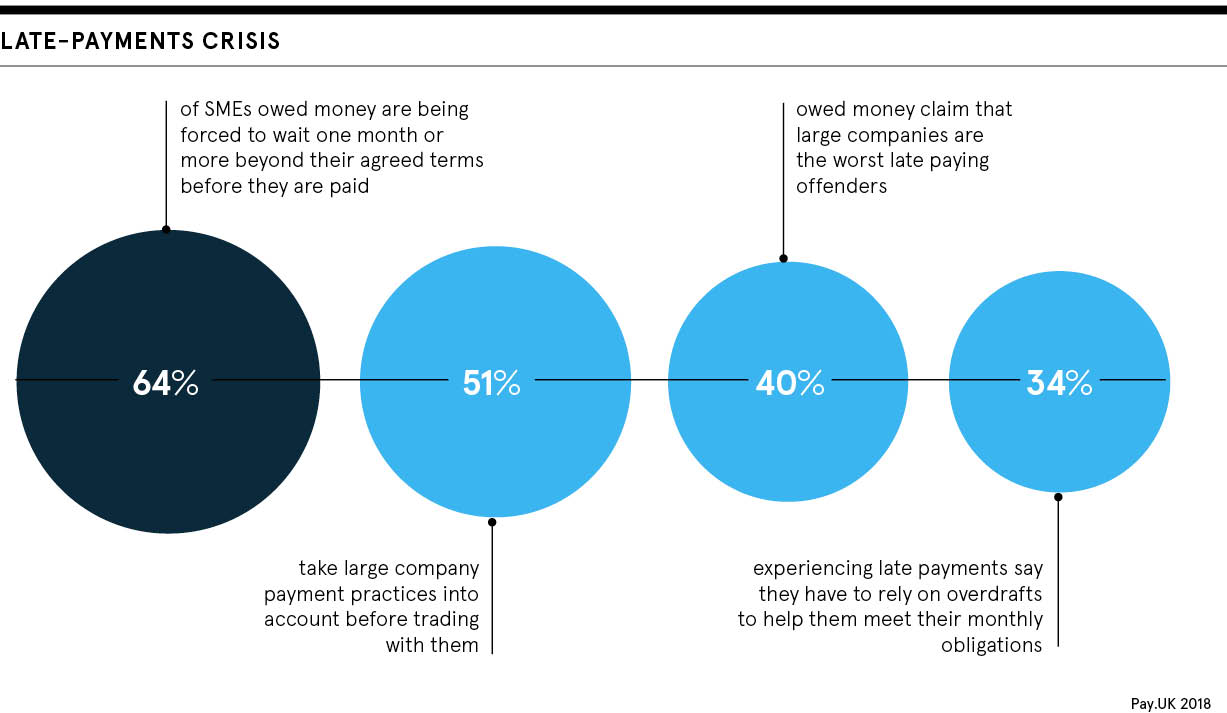
Cash flow volatility is no longer a minor inconvenience; it is a structural risk that traditional B2B payment rails can no longer absorb. In many markets, the average B2B payment cycle has stretched, and a significant share of invoices remain overdue beyond agreed terms. According to industry data, roughly 35–38% of B2B invoices are paid late in some regions, creating a liquidity gap that drains working capital and forces finance teams to rely on expensive short-term borrowing to bridge the difference.
The problem is not just speed; it is predictability. Conventional wire transfers and ACH payments often involve opaque intermediary fees, delayed settlement windows, and manual reconciliation processes that introduce friction at every stage. For companies managing high-volume cross-border transactions, these inefficiencies compound quickly, turning simple invoicing into a complex operational burden. The result is a system where cash is trapped in transit, and financial planning becomes reactive rather than proactive.
Stablecoin invoicing offers a structural fix by decoupling value transfer from the legacy banking infrastructure. By using stablecoins pegged to fiat currencies, businesses can settle invoices in minutes rather than days, with transparent, fixed costs that do not fluctuate with intermediary networks. This shift does not require abandoning compliance or integration standards; instead, it leverages existing ERP and accounting workflows to automate payments, reduce error rates, and restore visibility to cash flow. In 2026, the competitive advantage belongs to firms that treat payment friction as a solvable engineering problem, not an inevitable cost of doing business.
How AI automates the invoice-to-cash cycle
Stable invoicing moves beyond simple crypto transfers by embedding intelligence into the payment workflow. Artificial intelligence removes the manual friction that traditionally delays cash flow, turning the invoice-to-cash cycle into a predictable, automated process.
AI-driven matching and reconciliation handle the heavy lifting of data entry. Instead of manually comparing purchase orders against invoices, systems use machine learning to identify matches with high accuracy. This reduces errors and eliminates the back-and-forth emails that stall payments. For finance teams, this means fewer hours spent on administrative tasks and more time on strategic analysis.
Fraud detection is another critical capability. AI algorithms analyze transaction patterns in real-time to flag anomalies that might indicate fraudulent activity. By identifying risks before payment is released, companies protect their revenue and maintain compliance with regulatory standards. This proactive approach ensures that stable invoicing remains secure and trustworthy.
These tools integrate seamlessly with existing ERP and accounting systems, providing a unified view of financial operations. The result is a more resilient payment infrastructure that adapts to the complexities of B2B transactions. By automating the routine aspects of invoicing, businesses can focus on growth rather than collection.
B2B stablecoin invoicing tools compared
Choosing a B2B stablecoin invoicing tool requires matching your accounting stack with your compliance comfort level. The right platform handles the blockchain mechanics while producing the PDF invoices and accounting exports your finance team needs to close the books.
Below is a direct comparison of leading platforms. This table focuses on integration capabilities, KYC posture, and output formats to help you identify the best fit for your specific workflow.
| Platform | Accounting Integration | KYC/AML Posture | Invoice Output | Settlement Speed |
|---|---|---|---|---|
| Eco | QuickBooks, Xero, NetSuite | Full KYC (Enterprise-grade) | PDF, CSV, API | Near-instant (On-chain) |
| BitPay | QuickBooks, Xero, Shopify | Full KYC (Regulated entity) | PDF, Email, Web Portal | T+1 (Fiat conversion) |
| Coinbase Commerce | QuickBooks, Xero (via Zapier) | Full KYC (Coinbase account) | PDF, Web Checkout | Near-instant (On-chain) |
| Stripe Crypto | QuickBooks, Xero, Stripe Dashboard | Full KYC (Stripe account) | PDF, Email, Web Checkout | T+1 (Fiat conversion) |
| BitGo | Custom API, ERP connectors | Institutional Custody (KYB) | API, Custom PDF | Near-instant (On-chain) |
Where each tool fits your business model
Stablecoin invoicing isn't a one-size-fits-all solution. The right tool depends entirely on how your business generates revenue and pays its obligations. While the underlying technology is the same, the integration requirements for a SaaS company differ sharply from those of a manufacturing firm.
SaaS and subscription models
For recurring revenue, automation is the priority. You need platforms that handle recurring billing and seamlessly export data to QuickBooks or Xero. This reduces the manual entry that often causes reconciliation errors. Tools like Eco support this by offering PDF invoice outputs that match your existing accounting workflows, keeping your finance team from drowning in manual data entry.
Contractor and vendor payouts
The "boring workflows" are where stablecoins actually save money. Contractor payouts and vendor invoices often involve cross-border delays and high fees. A pragmatic tool here should prioritize fast settlement and low friction. The goal is to move money between entities or to freelancers without the three-day wait typical of traditional banking rails.
Manufacturing and supply chain
Manufacturing margins are thin, and cash flow is king. Here, the focus is on reliability and compliance. You need tools that can handle large transaction volumes and integrate with existing ERP systems. The value isn't just in speed, but in the ability to track payments with the same rigor as traditional wire transfers, ensuring no dollar goes unaccounted for.



As an Amazon Associate, we may earn from qualifying purchases.
Integrating Stable Invoicing with Existing Stacks
The primary barrier to stablecoin adoption in B2B is rarely the blockchain itself; it is the accounting layer. For a finance team, the value of a payment tool is defined by how cleanly it exports to systems like QuickBooks, Xero, or legacy ERPs. If the tool requires manual reconciliation or breaks double-entry bookkeeping, it will be rejected regardless of settlement speed.
Modern B2B invoicing platforms bridge this gap by treating stablecoin transactions as standard ledger entries. Instead of forcing accountants to interpret wallet addresses, these tools map on-chain activity to existing general ledger codes. This allows your existing stack to remain the source of truth. The stablecoin payment is simply the settlement method, while the invoice data flows seamlessly into your ERP without disrupting compliance or audit trails.
Frequently asked questions about stable invoicing
Are stablecoin invoices regulated like traditional wire transfers?
Stablecoin transactions operate under a hybrid regulatory framework. While the underlying blockchain is decentralized, the fiat reserves backing the stablecoin are held by regulated financial institutions. In 2026, compliance tools embedded in B2B invoicing platforms automate KYC (Know Your Customer) and AML (Anti-Money Laundering) checks, ensuring that stablecoin payments meet the same legal standards as traditional cross-border wires.
How do I protect my margins from volatility when invoicing in crypto?
The primary advantage of stablecoins is their peg to fiat currencies like the USD, eliminating the price swings seen with Bitcoin or Ethereum. However, minor deviations can occur during market stress. Most modern invoicing tools lock the exchange rate at the moment the invoice is generated, ensuring the recipient receives the exact fiat value owed, regardless of short-term market fluctuations.
How are stablecoin payments taxed for my business?
Tax authorities generally treat cryptocurrency as property. When you receive a stablecoin invoice payment, it is considered a taxable event based on the fair market value of the coin at the time of receipt. Using dedicated B2B invoicing software that automatically records transaction timestamps and values simplifies this process, generating the necessary reports for your accountant without manual spreadsheet tracking.
No comments yet. Be the first to share your thoughts!