
Why stablecoins change B2B invoicing
Traditional fiat rails for cross-border B2B payments are often slow and expensive. For mid-sized transfers, the average cost sits around 1.5% per transaction, a significant drag on margins that doesn't account for the time value of money lost during multi-day settlement windows. Stablecoin infrastructure changes this dynamic by offering near-instant settlement and flat, minimal fees regardless of volume.
This shift is particularly impactful for businesses managing high volumes of invoices. By moving away from correspondent banking networks, companies can reduce friction in their accounts payable and receivable cycles. The result is a more predictable cash flow and a direct reduction in operational overhead.
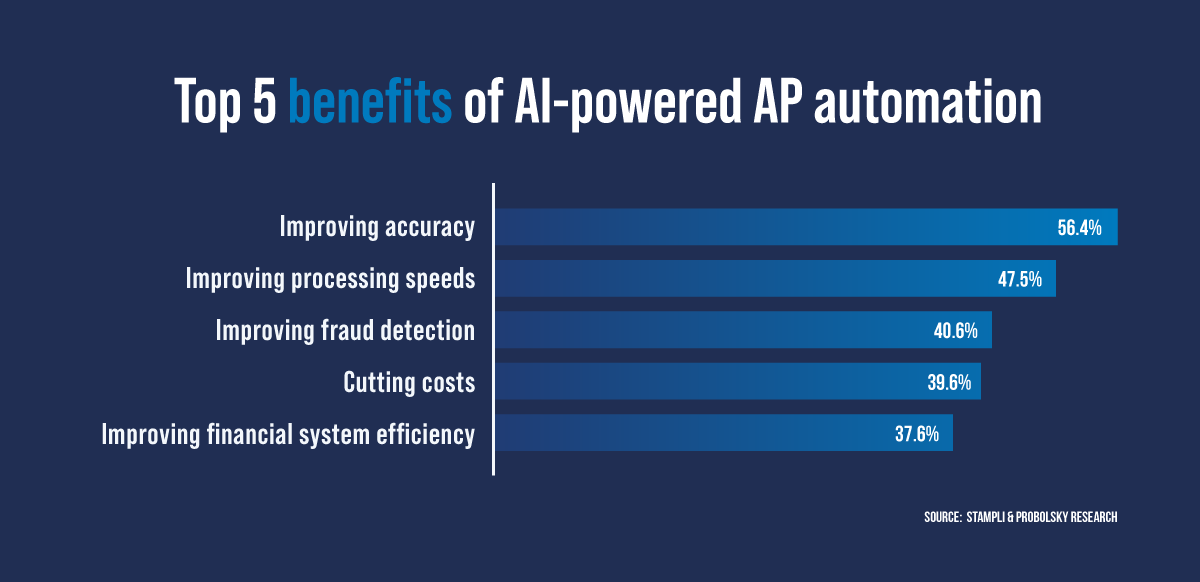
As we look toward 2026, the convergence of AI-driven invoice processing and stablecoin settlements creates a powerful efficiency engine. Businesses that adopt this stack are not just cutting costs; they are fundamentally restructuring how they handle global liquidity. The speed of stablecoin transfers means invoices can be paid and reconciled in minutes rather than days, allowing for better working capital management.
Top B2B invoice automation platforms
Leading B2B invoice automation platforms differ in how they handle AI-driven data capture and stablecoin settlement infrastructure. The right choice depends on whether your priority is legacy ERP integration or native crypto-native payments.
LedgerUp
LedgerUp focuses on AI-driven invoice processing with built-in stablecoin settlement options. It targets mid-market B2B firms looking to reduce payment friction without abandoning traditional accounting workflows.
HighRadius
HighRadius offers enterprise-grade automation for complex approval workflows. Its invoice processing system integrates deeply with SAP and Oracle, though stablecoin capabilities require custom API development rather than native support.
Rillion
Rillion specializes in B2B payment automation with a strong emphasis on cross-border transactions. It supports multiple stablecoins natively, making it a preferred choice for companies managing international supplier payments.
Stripe Billing
Stripe Billing remains the standard for SaaS and subscription-based B2B models. While it excels at recurring revenue automation, it does not natively support stablecoin settlements, requiring third-party bridges for crypto payments.
| Platform | AI Invoice Capture | Native Stablecoin | ERP Integration |
|---|---|---|---|
| LedgerUp | High | Yes | Mid-market |
| HighRadius | High | No | Enterprise |
| Rillion | Medium | Yes | API-first |
| Stripe Billing | Medium | No | Standard |
These platforms form the backbone of modern B2B invoice automation. Selecting the right tool requires balancing AI accuracy with the specific settlement rails your finance team prefers.
Calculate your payment cost savings
Traditional banking fees and foreign exchange spreads drain B2B margins, especially for mid-sized transfers. Wholesale B2B payments (typically $500,000+) average around 0.1% in direct transaction costs, while retail B2B payments—the mid-sized transfers most businesses make—average about 1.5%.
Stablecoin automation removes these intermediaries. By moving directly on-chain, you avoid the layered fees that accumulate with every wire transfer or ACH batch. The calculator below estimates your potential annual savings based on your current payment volume and fee structure.
Adjust the inputs to match your business profile. If your average transaction size is under $50,000, you likely fall into the "retail B2B" category where traditional fees are highest. For larger wholesale payments, the savings are smaller but still significant when scaled across thousands of invoices.
This calculation assumes stablecoin transaction fees remain near zero (network gas costs only). It does not account for potential accounting software integration costs or initial setup time, which are one-time expenses rather than recurring per-transaction costs.
Implementing stable invoice solutions
Transitioning from traditional fiat rails to stablecoin invoicing requires a phased integration that respects existing ERP constraints. Finance teams should treat this as an API-level overlay rather than a full system replacement, ensuring that ledger entries remain synchronized with your current accounting software. According to Forrester, modern AP automation trends in 2026 emphasize modular integrations that reduce manual touchpoints without disrupting established workflows [Forrester, 2026].

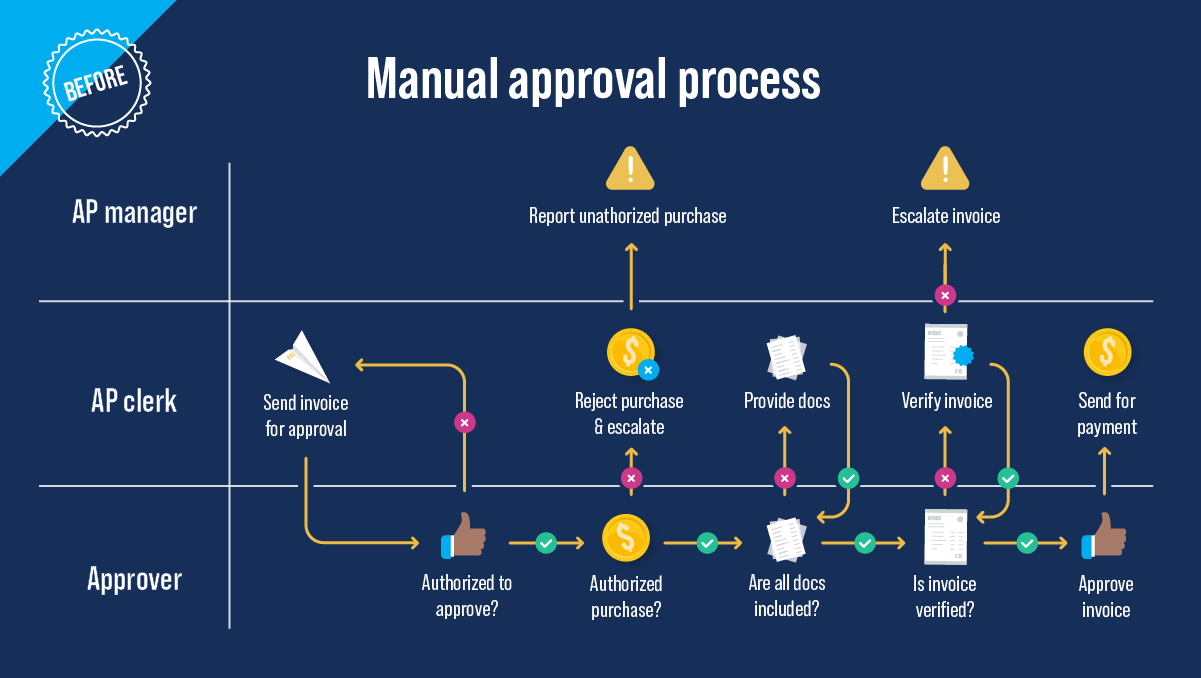
Map your existing invoice approval chains and payment triggers. Identify which vendors accept digital payments and which processes suffer most from bank delays. This baseline helps you select stablecoin partners that offer the specific API endpoints your ERP needs, such as SAP or Oracle connectors.

Choose a provider that supports regulated stablecoins (like USDC) and offers real-time reconciliation tools. Verify that their infrastructure complies with local financial regulations and provides clear audit trails. The right partner should offer a sandbox environment for testing before any live transaction occurs.
Connect the stablecoin payment gateway to your accounts payable module. This step involves configuring webhooks that automatically update invoice status upon blockchain confirmation. Ensure your team has access to the necessary API keys and that security protocols, such as multi-signature wallets, are in place.
Run a pilot program using small, internal, or friendly vendor invoices. Monitor for latency, gas fee fluctuations, and reconciliation accuracy. This phase allows your finance team to troubleshoot integration issues without risking significant capital or disrupting critical supplier relationships.
Once the pilot confirms accuracy and speed, expand the solution to all eligible vendors. Provide training for AP staff on handling crypto-based receipts and update vendor onboarding materials to include stablecoin payment instructions. Continuous monitoring ensures the system adapts to changing transaction volumes.
This approach minimizes disruption while capturing the efficiency gains of blockchain-based settlements. By starting small and scaling deliberately, finance teams can validate the technology’s reliability before committing to a full-scale operational shift.
Common questions about B2B billing
What software to use for B2B billing?
Modern B2B invoice automation platforms handle complex workflows for retail, hospitality, and distribution businesses. When selecting software, prioritize solutions that support automated invoice processing and integrate with your existing ERP or accounting systems. Look for vendors that offer API-first architectures to ensure smooth data flow between your payment infrastructure and financial records.
How much does a B2B payment cost?
Transaction fees vary significantly based on payment volume and method. Wholesale B2B payments, typically defined as transfers over $500,000, average around 0.1% in direct transaction costs. Retail B2B payments, which represent the mid-sized transfers most businesses execute, average about 1.5%. Stablecoin-based solutions often reduce these costs further by bypassing traditional correspondent banking networks.
Why is stablecoin automation better than traditional wires?
Traditional wire transfers often involve multiple intermediaries, leading to higher fees and slower settlement times. Stablecoin automation enables near-instant settlement across borders with transparent, lower transaction costs. This efficiency allows businesses to manage cash flow more effectively, reducing the capital tied up in transit and minimizing foreign exchange risks.
No comments yet. Be the first to share your thoughts!