
Why 2026 changes invoice automation
The landscape for automated B2B invoicing 2026 is defined by a convergence of regulatory pressure and payment inefficiency. Global governments are no longer suggesting digital compliance; they are enforcing it through mandatory e-invoicing frameworks that leave little room for manual processing. Simultaneously, cross-border payments remain plagued by delays and high fees, creating an urgent need for faster, automated settlement methods.
In India, the threshold for mandatory e-invoicing expands significantly, requiring businesses with an aggregate annual turnover exceeding ₹5 crore to report invoices on the IRP portal from April 2026. Companies with turnovers over ₹10 crore face a strict 30-day reporting window. This shift moves e-invoicing from a voluntary efficiency tool to a baseline compliance requirement for a vast segment of the Indian market.
France is tightening its rules as well. Starting September 2026, companies must submit invoices via a government-approved platform. Whether through direct integration or a compliant solution, businesses must designate their platform for issuing and receiving electronic invoices. Failure to declare or comply results in significant operational and financial risks.
Malaysia introduces similar mandates through LHDN’s MyInvois system. All invoices must be validated by the platform before issuance. Businesses earning between RM1 million and RM5 million annually must comply from January 1, 2026, with full penalty enforcement following in 2027. These regional shifts signal a global trend: manual invoicing is becoming a liability.
While compliance drives adoption, the operational pain of cross-border payments accelerates it. Traditional wire transfers can take days to clear, incurring high fees and exposing businesses to currency fluctuation risks. Stablecoin payments offer a solution by enabling near-instant settlement across borders, reducing delays and costs. For automated B2B invoicing 2026, integrating stablecoins isn't just about speed; it's about aligning your payment infrastructure with the new reality of global digital commerce.
Choose your automation stack
Automated B2B invoicing 2026 implementation starts with selecting the right infrastructure. Your choice dictates how data flows between your accounting software and your clients. You generally have two paths: upgrading your legacy ERP or adopting a specialized stablecoin-based platform.
Traditional ERP-integrated automation is the standard for established enterprises. It keeps invoicing within your existing financial ecosystem, ensuring that accounts receivable syncs directly with your general ledger. This approach minimizes disruption but often requires heavy configuration and ongoing maintenance.
Stablecoin-based platforms offer a leaner alternative. They bypass traditional banking rails for settlement, reducing friction in cross-border transactions. While faster and cheaper for payments, they require separate reconciliation workflows and careful compliance monitoring.
Compare automation options
The table below outlines the trade-offs. ERP solutions prioritize data integrity and compliance, while stablecoin platforms prioritize speed and settlement cost.
| Feature | ERP Integration | Stablecoin Platform |
|---|---|---|
| Settlement Speed | T+1 to T+3 days | Minutes |
| Transaction Cost | Higher (bank fees) | Lower (network fees) |
| Compliance | Built-in audit trails | Manual reconciliation |
| Integration Complexity | High (API heavy) | Medium (wallet setup) |
ERP systems like SAP or NetSuite are robust but rigid. They excel at handling complex tax rules and internal approvals. If your primary goal is automating the invoice generation and approval workflow within your current stack, this is the safer bet.
Stablecoin platforms are best for companies with high-volume international transactions. The speed advantage is significant when dealing with multi-currency clients. However, you must build the compliance layer yourself, as these platforms often lack the granular audit controls of major ERPs.
Integrate AI invoice processing
Automated B2B invoicing in 2026 has shifted from experimental adoption to execution quality. Most teams have started, but the difference between a functional system and a broken one lies in how you configure the AI extraction and validation layers. This section walks through the concrete workflow for setting up your AI-driven processing pipeline.
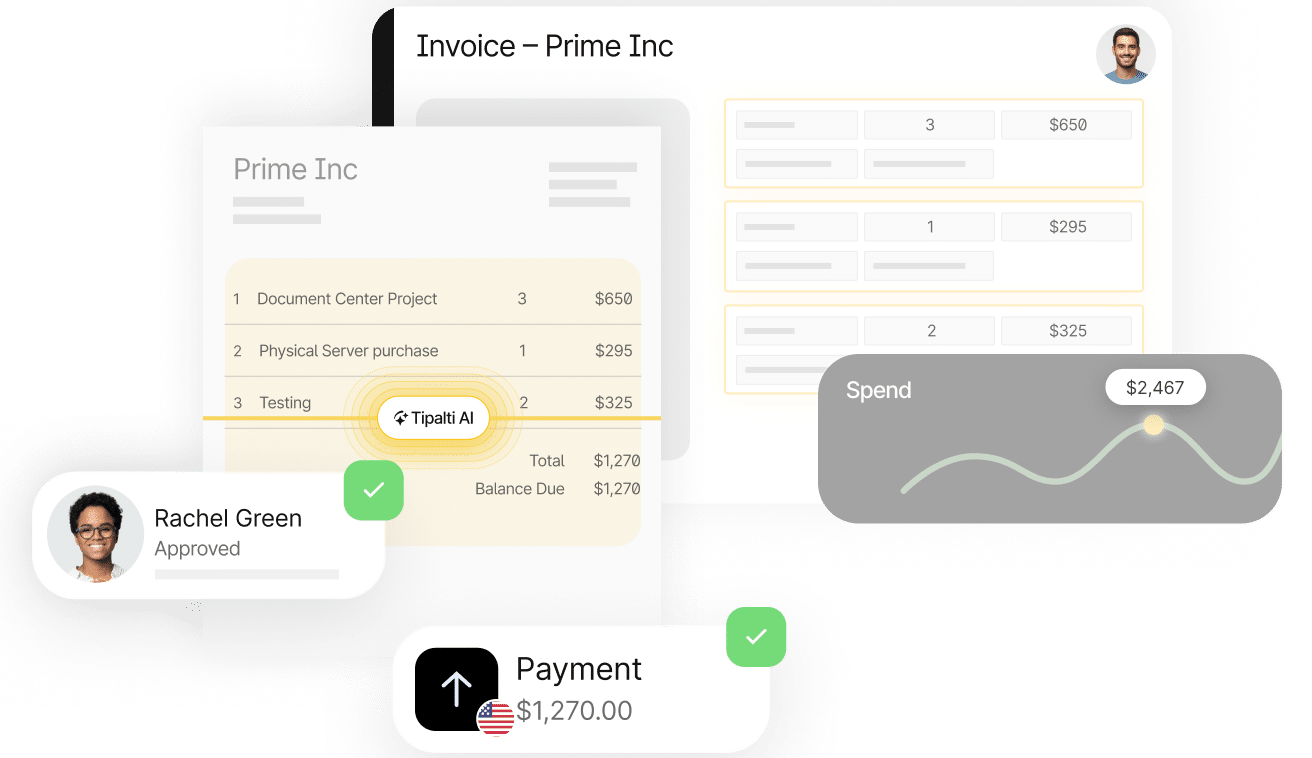
The goal is to ensure data accuracy before payment initiation. You are not just capturing text; you are validating financial intent against purchase orders and compliance rules. Follow this sequence to build a robust automated B2B invoicing 2026 foundation.
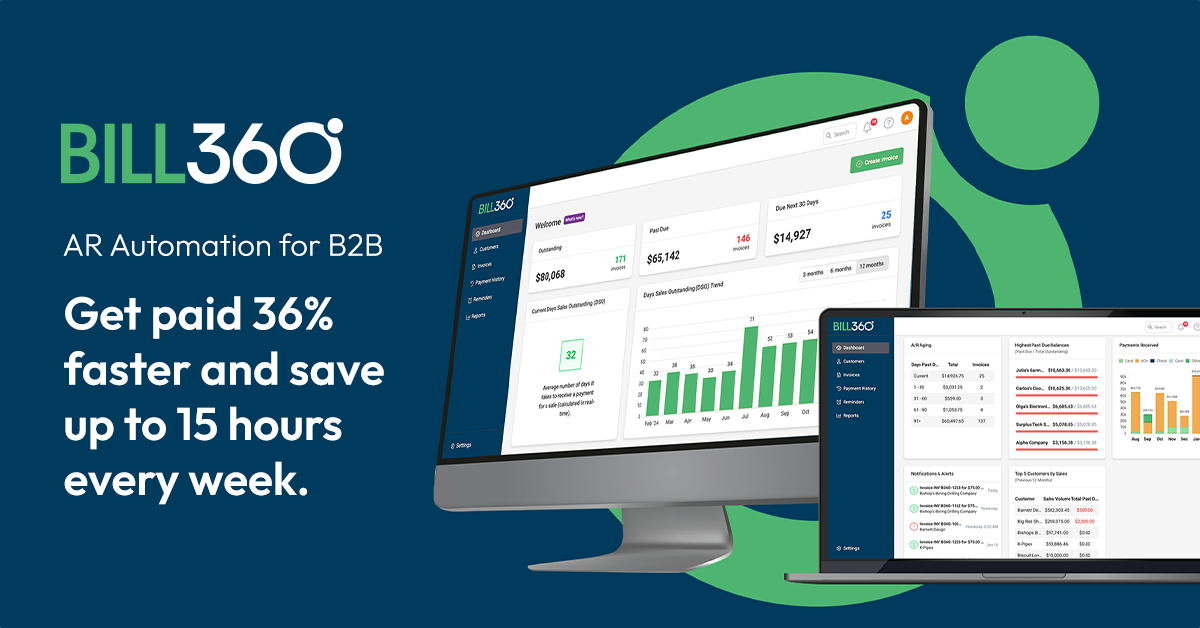
Begin by integrating your primary data entry points. Most modern automated B2B invoicing 2026 solutions support APIs, email parsing, and direct portal connections. Ensure that all incoming invoice streams—whether from vendors, partners, or internal departments—are routed to a single ingestion layer. This centralization prevents data silos and allows the AI engine to access the full context of the transaction.
Define the specific fields the AI needs to extract. Standard fields include vendor ID, date, line items, and total amount. However, for 2026 compliance, you must also configure extraction for tax codes, e-invoicing identifiers, and jurisdiction-specific tags. Train the model on historical invoices to improve accuracy, but set confidence thresholds. If the AI’s confidence score falls below your set limit, route the invoice for manual review.
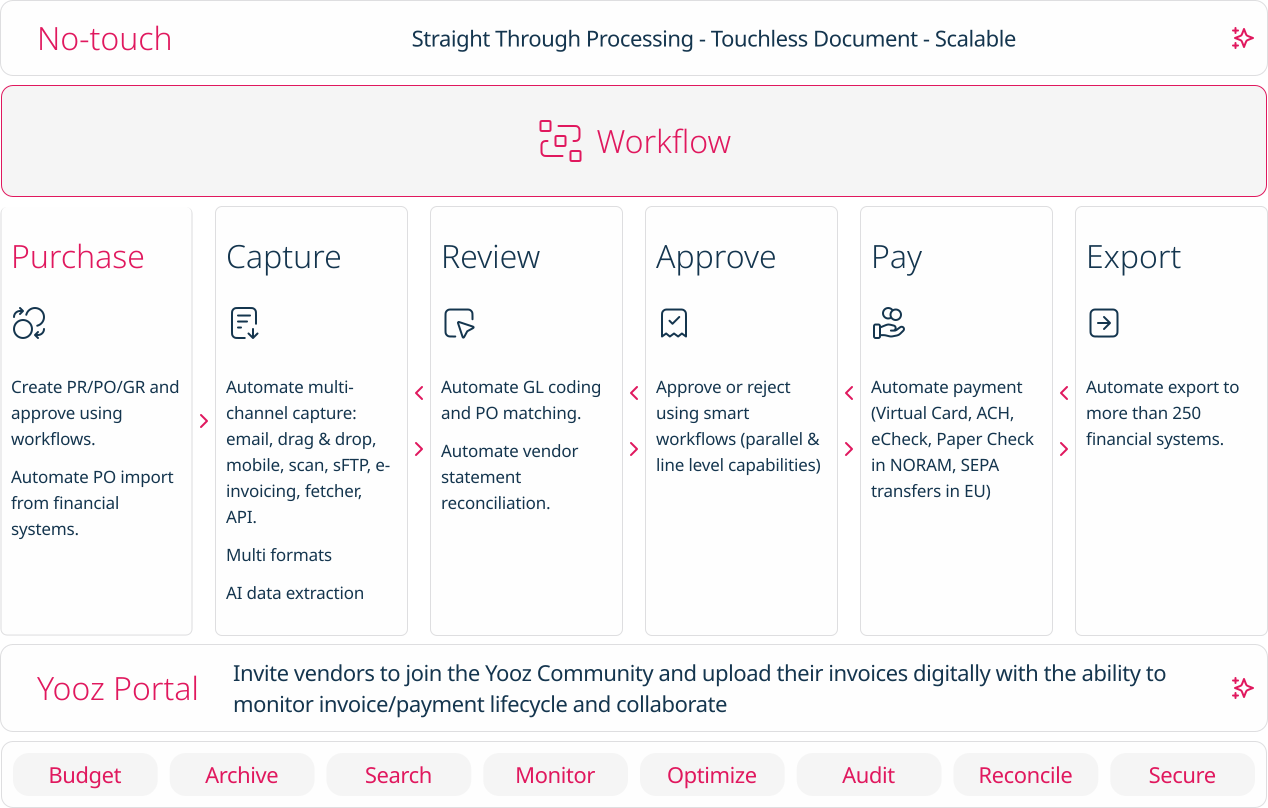
Cross-reference extracted data with your Purchase Order (PO) system. This is the most critical step for preventing overpayments and fraud. The system should automatically flag discrepancies in quantity, price, or service description. If an invoice does not match a PO, or if it exceeds the authorized amount, the workflow should pause. This three-way match (PO, Receipt, Invoice) is non-negotiable for accurate automated B2B invoicing 2026.
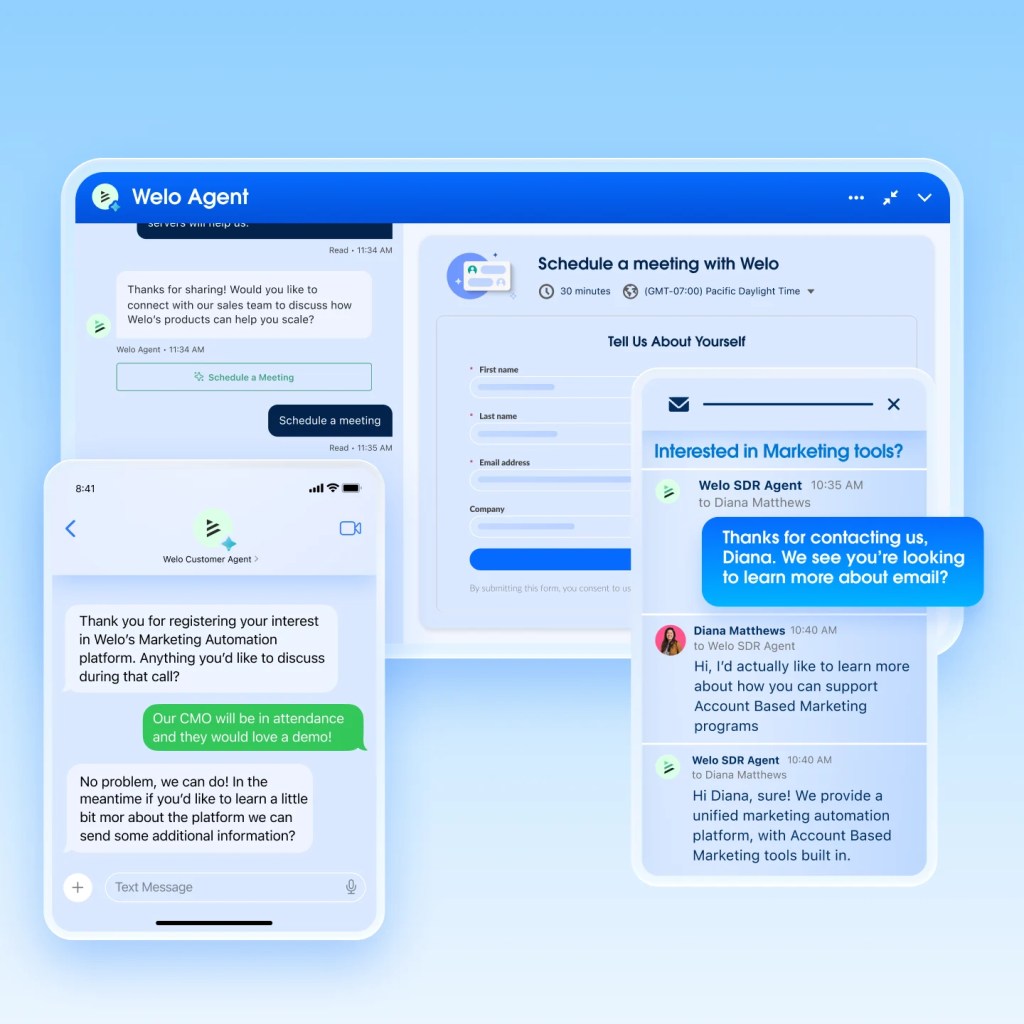
Once validation is complete, route the invoice to the appropriate approver. Use role-based permissions to ensure the right stakeholders sign off on high-value transactions. After approval, the system should automatically push the data to your ERP or accounting software and schedule the payment. This end-to-end automation reduces processing time from days to minutes, allowing your finance team to focus on strategic analysis rather than data entry.
Set up stablecoin payment rails
Automated B2B Invoicing works best as a sequence, not a scramble through settings. Do the minimum first: confirm compatibility, connect the core hardware, update only when needed, and test the result before adding optional features. That order keeps the task understandable and makes failures easier to isolate. After each step, pause long enough for the interface to finish syncing. Many setup problems are timing problems disguised as configuration problems. If the same step fails twice, record the exact error, restart the smallest affected piece, and retry before moving deeper.
Avoid common integration mistakes
Even with the best tools, automated B2B invoicing 2026 deployments stumble on avoidable errors. The two biggest risks are ignoring local mandates and misconfiguring smart contract terms. Fix these before you go live.
Skip local e-invoicing rules
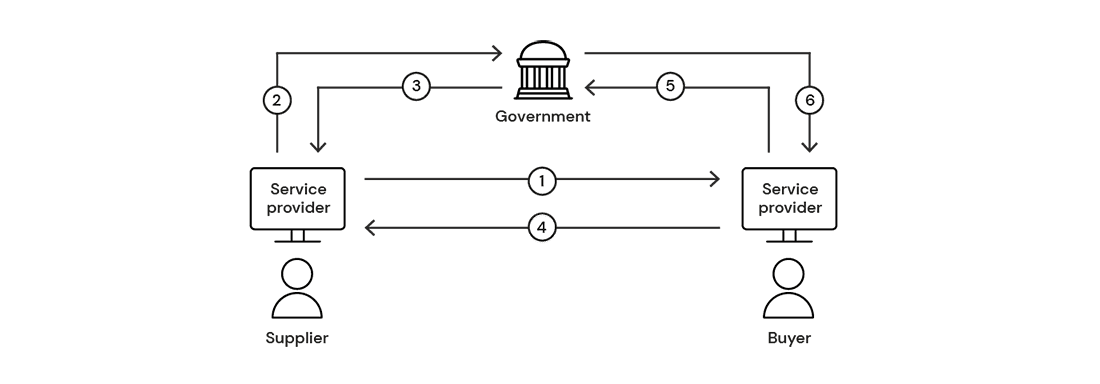
Many teams treat compliance as an afterthought, assuming their ERP covers all bases. This is a costly mistake. In 2026, governments like India, France, and Malaysia are enforcing strict digital invoicing mandates with real-time validation requirements 1. If your system doesn’t integrate directly with government portals, your invoices will bounce back. Audit your tech stack against local thresholds now.
Misconfigure smart contract escrow
Automated invoicing often ties payments to smart contract conditions. A single misconfigured term—like a mismatched delivery confirmation trigger—can freeze funds or trigger false penalties. Test your escrow logic with edge cases, not just happy paths. Ensure your contract terms explicitly define the data fields that trigger payment release.
Ignore error handling
Invoice errors increase processing costs by up to 20% 1. Build a robust error-handling workflow that flags mismatches between purchase orders and invoices immediately. Don’t let manual corrections become your new normal.
Verify compliance and performance
Before going live, treat this phase as the final gate. Automated B2B invoicing in 2026 must satisfy strict regulatory mandates and deliver measurable efficiency gains. Use this checklist to confirm your system is audit-ready.
Compliance and Accuracy
Global e-invoicing mandates are shifting from optional adoption to strict enforcement. In many regions, invoices must be validated through government platforms before reaching the buyer. Ensure your system integrates with the required e-invoicing portals and handles the 30-day reporting windows correctly.
Performance Validation
Run a full cycle test: generate an invoice, process it, and confirm payment settlement. Check that AI-driven data extraction maintains high accuracy rates and that the audit trail is immutable. The goal is to prove that automation reduces payment delays without introducing compliance risks.
Final Checklist
-
Mandate Compliance: System submits invoices to government portals as required.
-
AI Accuracy: Data extraction matches source documents with >95% accuracy.
-
Settlement Test: Stablecoin or fiat settlement completes within agreed terms.
-
Audit Trail: All actions are logged with timestamps and user IDs.
Frequently asked questions about automated B2B invoicing 2026
As global mandates tighten, the mechanics of automated B2B invoicing 2026 shift from optional efficiency to strict legal compliance. Below are the most common questions regarding upcoming regulatory changes.
These regional shifts mean your automated B2B invoicing 2026 strategy must be adaptable. A single system should handle diverse validation protocols to avoid processing delays or penalties.
No comments yet. Be the first to share your thoughts!