
In the fast-paced world of global trade, businesses grapple with the frustrations of cross-border invoicing: steep fees that eat into margins, settlement delays that tie up cash flow, and the ever-present risk of non-payment or disputes. Enter USDC multi-sig escrow, a game-changer for B2B cross-border invoicing that leverages the stability of USDC, pegged 1: 1 to the US dollar, to slash those costs and risks. Platforms like StableInvoiceB2B. com are leading the charge, offering secure multi-sig escrow tailored for enterprises, ensuring funds only move when conditions are met.
Why Traditional B2B Payments Are Bleeding Your Bottom Line
Picture this: you're an importer coordinating with suppliers across continents. You issue an invoice, but the payment process turns into a slog. Traditional wires via SWIFT or correspondent banks tack on 2-5% in fees, not to mention FX spreads and intermediary charges. Settlement? Often 3-5 days, sometimes weeks if holidays or compliance checks intervene. And trust? That's where it gets dicey. Without robust safeguards, you're exposed to counterparty risk, especially in volatile markets.
Sources like Stripe highlight how crypto B2B payments flip this script with programmable safeguards. Multisig controls mean no single party can unilaterally access funds, while timelocks add predictability. Circle Internet Financial echoes this, noting USDC enables lower-cost transfers that boost revenue. I've seen importers shave 40% off fees, as detailed in real B2B cases from 5hz. io, simply by switching to stablecoin rails.
Traditional Wires vs. USDC Multi-Sig Escrow
| Aspect | Traditional Wires | USDC Multi-Sig Escrow |
|---|---|---|
| 💸 Fees | 2-5% | <1% |
| 📅 Settlement | 3-5 days | Minutes |
| 📉 Volatility | High | Pegged 1:1 to USD |
| 🔒 Security | Manual | Smart contract multisig |
This isn't hype; it's math. For a $100,000 invoice, you're saving thousands per transaction, freeing capital for growth rather than languishing in limbo.
Unlocking the Power of USDC Multi-Sig Escrow
At its core, USDC multi-sig escrow is a smart contract vault requiring multiple approvals before funds release. Buyer deposits USDC into the escrow on a blockchain like Ethereum or Polygon. The contract holds it until milestones hit - shipment confirmed, quality verified, invoice approved. Then, with signatures from buyer, seller, and perhaps an arbitrator, funds flow instantly.
Polygon Labs points out how escrow-style smart contracts automate releases, cutting manual disputes. Eco. com compares tools showing multisig excels in split payouts and refund atomicity. And for multi-chain needs? Solutions support netting across networks, vital for global ops. Chainscore Labs pushes this further with audited protocols and on-chain arbitration, minimizing trust.
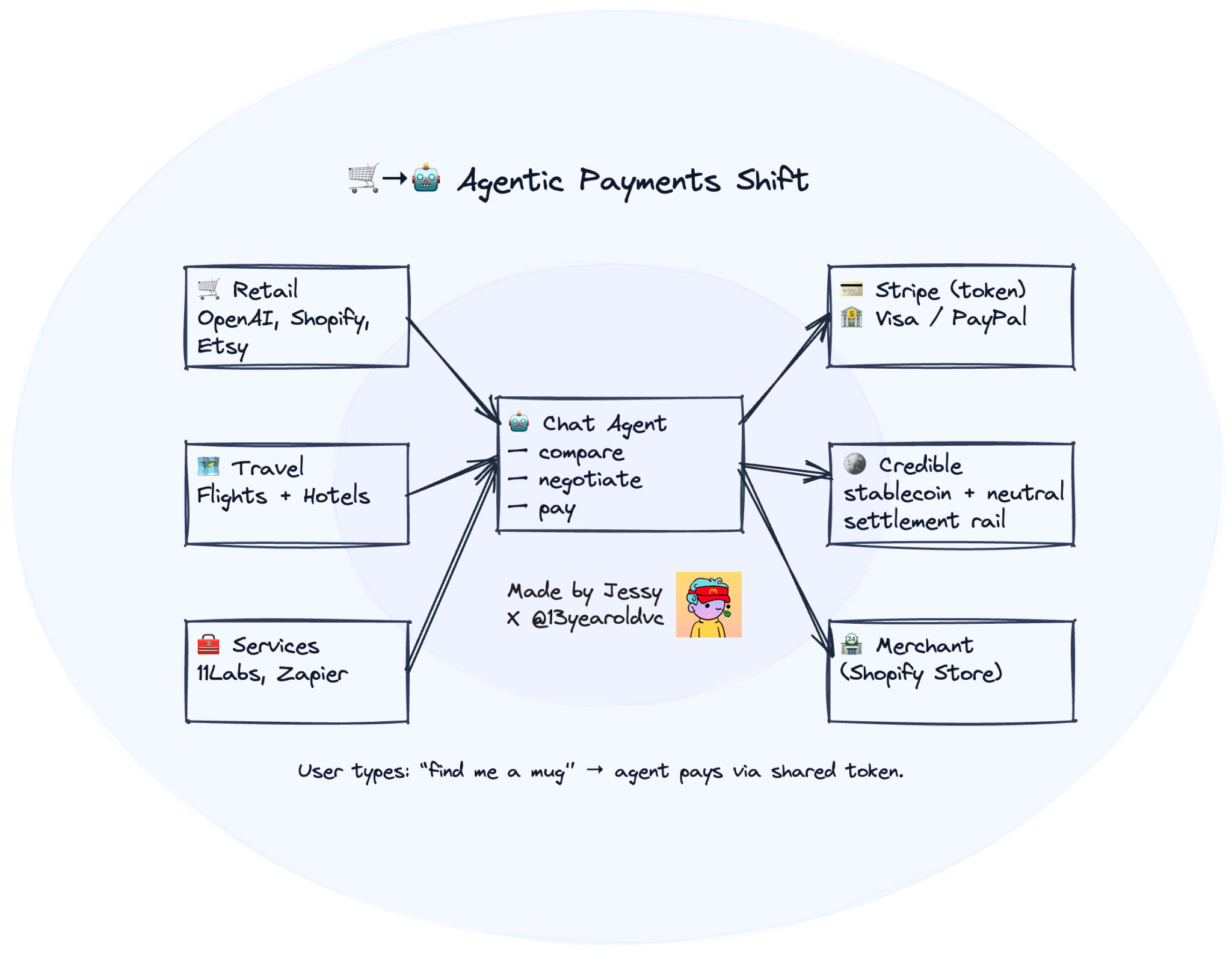
Compliance stays intact too. USDC's transparency aids KYC/AML, and regulated issuers like Circle ensure it's enterprise-grade. No more chasing wires through opaque banks; everything's on-chain, verifiable.
Real-World Wins: Speed, Savings, and Security
Traditional SWIFT vs USDC Multi-Sig Escrow: Cutting Fees & Risks in Global B2B Trade 🚀
| Aspect 💡 | Traditional SWIFT 🌍 | USDC Multi-Sig Escrow 🔗 | Real-World Examples 💼 |
|---|---|---|---|
| Settlement Time | Days ⏳ | Minutes ⚡ | Guaranty Escrow (Payroll), Tórónet |
| Fees | 2-5% 💸 | <0.1% 🤑 | Grey's Business Banking Expansion, StableInvoiceB2B.com |
| FX Risk | High 📈 | None (Stable USDC) ✅ | Guaranty Escrow, Circle Internet Financial |
| Security | Opaque Wires ❓ | On-Chain Verifiable Multi-Sig 🔐 | Tórónet, StableInvoiceB2B.com |
Garima Singh's 10-layer gateway architecture on LinkedIn shows the tech backbone, from oracles to dispute layers. It's not just theory; marketplaces use these for escrow, refunds, and netting, per eco. com benchmarks.
Enterprises ditching SWIFT for stablecoins, as Tórónet explains, because smart contracts execute automatically upon condition fulfillment. Guaranty Escrow details USDC's role in payroll and payouts, emphasizing its stable value that sidesteps volatility headaches. Stablecoin Insider's roundup of processors shows settlement times plummeting from days to minutes, fees dropping below 1%.
Getting Started: A Practical Roadmap for Your B2B Operations
I've advised importers on this shift for years, and the beauty lies in its simplicity. No need for a full blockchain overhaul; integrate via APIs from processors handling the heavy lifting. Grey's expansion into global business banking underscores the trend, blending fiat rails with crypto efficiency for large-scale cross-border flows.
Once set up, net terms become flexible - offer 30/60 days without the cash drag. Programmable refunds handle disputes seamlessly, a far cry from protracted bank negotiations. In my portfolio management days, I'd crunch these numbers: for repeat suppliers, the compounding savings stack up fast, turning cost centers into competitive edges.
Traditional B2B Cross-Border Payments vs. USDC Multi-Sig Escrow (5hz.io Case Study)
| Aspect | Traditional Payments | USDC Multi-Sig Escrow | Improvement |
|---|---|---|---|
| Transaction Fees | 2-5% of invoice value (e.g., international wires) | ~1.2-3% (per 5hz.io case) | 📉 40% reduction in fees |
| Settlement Time | 3-5 business days | Minutes (blockchain-native) | Near-instant processing |
| Security Mechanism | Trust-based, manual verification | Multi-sig escrow smart contracts | ✅ Trust-minimized, conditional fund release |
| Currency Volatility | High (FX fluctuations) | None (USDC pegged 1:1 to USD) | Stable value protection |
| Reversibility & Safeguards | Difficult, costly disputes | Timelocks, programmable refunds | Enhanced control & dispute resolution |
Multi-chain support is key too. Whether your supplier's on Ethereum or a layer-2 like Polygon, bridging tools ensure seamless USDC flow. Eco. com's comparisons reveal top tools excelling in escrow, atomic refunds, and netting - essentials for marketplaces scaling B2B.
Risks Mitigated, Opportunities Amplified
Counterparty risk? Multisig demands consensus, often with an oracle or arbiter. Volatility? USDC's peg holds firm, even as bridged variants like Multichain Bridged USDC on Fantom trade at $0.0376 today, up 0.005470% in 24 hours. But for B2B, stick to native USDC for that ironclad 1: 1 backing.
Top Stablecoin Processors for B2B Escrow
| Processor 💳 | Fees (<1%) | Settlement (Minutes) ⚡ | Multi-sig Support 🔐 | Multi-chain 🌐 |
|---|---|---|---|---|
| Stripe | 0.5% | 5 | Yes | Yes |
| Circle | 0.15% | 1 | Yes | Yes |
| eco.com tools | 0.25% | 2 | Yes | Yes |
This setup thrives in supply chains. Importers lock in prices pre-volatility spikes; exporters get paid predictably. Polygon Labs nails it: escrow contracts automate releases, slashing dispute resolution time. Over coffee with clients, I often hear the same: "Michael, it's like having a neutral banker who never sleeps. "
Scale matters. Stablecoin Insider tests seven processors, all crushing traditional 2-5% fees for cross-border B2B. Garima Singh's architecture layers in oracles for real-world verification, dispute engines for edge cases - robust enough for enterprises.
Looking ahead, as adoption grows, expect deeper integrations with ERP systems. Businesses receiving international payments via Grey-style expansions will layer on USDC for the win. It's not just cheaper; it's smarter, fostering trust in deals that span oceans. For global trade pros, this is the frictionless future - secure, swift, and squarely on your terms.




No comments yet. Be the first to share your thoughts!