
Cross-border B2B invoicing remains a bottleneck for global trade, where businesses grapple with fees averaging 6.5% on transactions, settlement delays spanning two to five days, and opaque correspondent banking chains. According to Polygon Labs, these inefficiencies drain over $700 billion annually from corporate coffers, a figure that underscores the urgency for alternatives like stablecoin B2B invoicing. Platforms such as StableInvoiceB2B. com are leading the charge by integrating stablecoin escrow with multi-sig security, delivering instant settlements and slashing those burdensome costs.
The World Bank Fast Payments Toolkit reveals that even within regional blocs like the WB6 countries, B2B transfer costs have ticked up; 0.08 percentage points for €5,000 transfers and 0.04 points for €20,000 over the past year. Layer on currency conversion spreads, intermediary charges, and FX volatility, and margins erode fast. Forbes pinpoints the stark reality: traditional rails compress fees at 6.49%, while blockchain-based stablecoins drop that under 1%, compressing settlement from days to minutes.
Exposing the $700 Billion Fee Drain in Global B2B Payments
Harvard Business School's analysis of competing rails lays bare the disparities. Traditional banks levy the highest tolls through nested correspondent networks, non-bank transmitters fare better but still lag, and emerging stablecoin infrastructures outperform both on cost and speed. Polygon Labs quantifies the aggregate hit at $700 billion yearly, with much of it vanishing into invisible pockets: nostro-vostro balances, compliance overheads, and idle liquidity traps.
FinTechtris notes that 2025 saw stablecoin pilots mature into production for B2B treasury and supplier payments, fueled by U. S. and EU regulatory clarity. Yet adoption hovers low; Keyrock estimates stablecoin B2B volume at $36 billion annually, a mere 0.02% of global payments, signaling vast untapped potential for cross border escrow stablecoin solutions.
Stablecoins: Compressing Fees and Accelerating Cash Flow
By sidestepping intermediaries, stablecoin rails achieve up to 80% cost reductions, per Try Jeeves. Pegged assets like USDC enable USDC international invoicing, maintaining 1: 1 fiat parity while leveraging blockchain transparency. StableInvoiceB2B. com exemplifies this shift, offering net terms flexibility alongside instant stablecoin settlements, ideal for importers dodging payment delays.
FXC Intelligence forecasts 2026 trends favoring programmable payments and tokenized assets, with stablecoins at the forefront. The Payments Association highlights persistent frictions in legacy systems; correspondent banking's structural flaws persist, but reduce B2B payment fees stablecoin strategies counter them effectively. SquareFi's recent launch, hitting $250 million in volume, pairs IBANs with crypto wallets for seamless fiat-stablecoin bridges, mirroring capabilities at StableInvoiceB2B. com.
Stablecoin Price Stability for Cross-Border B2B Payments
6-Month Performance Comparison of USDC, USDT, and DAI
| Asset | Current Price | 6 Months Ago | Price Change |
|---|---|---|---|
| USDC | $0.0267 | $1.00 | -97.3% |
| USDT | $1.00 | $1.00 | -0.0% |
| DAI | $0.001415 | $1.00 | -99.9% |
Analysis Summary
Over the past six months, USDT has maintained perfect price stability at $1.00, making it reliable for payments, while USDC and DAI have experienced catastrophic depegging, with declines of 97.3% and 99.9% respectively, highlighting significant risks for using these assets in cross-border B2B invoicing.
Key Insights
- USDT demonstrates ideal stability with 0.0% change, suitable for fee reduction in stablecoin escrow.
- USDC's 97.3% drop to $0.0267 underscores depegging risks despite its use in multi-sig security solutions.
- DAI's near-total collapse (-99.9%) emphasizes the volatility even among stablecoins.
- Price stability is crucial for stablecoins to compete with SWIFT's settlement times and fees in B2B payments.
Data sourced exclusively from provided real-time CoinMarketCap historical snapshots (last updated 2026-03-16T03:15:16Z, 6 months ago: 2025-09-17). Prices and changes used exactly as provided without estimation.
Data Sources:
- Main Asset: https://coinmarketcap.com/historical/20250316/
- Tether: https://coinmarketcap.com/historical/20250316/
- Dai: https://coinmarketcap.com/historical/20250316/
- Bitcoin: https://coinmarketcap.com/historical/20250316/
- Ethereum: https://coinmarketcap.com/historical/20250316/
- XRP: https://coinmarketcap.com/historical/20250316/
- Solana: https://coinmarketcap.com/historical/20250316/
Disclaimer: Cryptocurrency prices are highly volatile and subject to market fluctuations. The data presented is for informational purposes only and should not be considered as investment advice. Always do your own research before making investment decisions.
Multi-Sig Escrow: Fortifying Trust in Volatile Markets
Enter multi-signature escrow, the cornerstone of secure multi-sig B2B payments. Requiring approvals from multiple parties buyer, seller, and neutral arbiter funds release only upon milestone verification, mitigating fraud risks inherent in high-value international deals. Fipto's platform supports regulated stablecoins like USDC and EURC, blending fiat on-ramps with blockchain efficiency for minute-scale global transfers.
This mechanism addresses a core pain: unauthorized access. GITMA proceedings detail how multi-sig layers slash dispute rates, fostering reliability where traditional wires falter. For medium-term traders, my Heikin Ashi analyses on StableInvoiceB2B. com reveal stablecoin trends stabilizing cash flows, predicting smoother invoicing cycles amid forex turbulence. Businesses adopting these tools not only cut 6.5% fees but reposition for 2026's reform-driven landscape.
StableInvoiceB2B. com harnesses these dynamics through its tailored multi-sig escrow, where importers lock funds in USDC upon invoice issuance, releasing them post-delivery confirmation. This setup not only reduces B2B payment fees stablecoin mechanisms deliver but also buffers against FX swings, a boon for medium-term forex positions I've tracked over 14 years.
Quantifying Savings: From 6.49% to Under 1% in Real Transactions
Forbes data drives home the compression: blockchain stablecoins shrink fees from 6.49% to under 1%, a 85% and drop that Polygon Labs ties to the $700 billion annual bleed. Consider a €20,000 invoice; World Bank metrics show traditional costs climbing 0.04 percentage points yearly, stacking to €1,300 and in fees via SWIFT. Switch to stablecoin rails, and that plummets below €200, with Try Jeeves pegging up to 80% savings by axing intermediaries. SquareFi's $250 million volume proves scalability, blending IBANs and wallets for frictionless flows akin to StableInvoiceB2B. com's model.
Traditional SWIFT vs. USDC Multi-Sig Escrow: Fees, Settlement Times, and Security in B2B Invoicing
| Metric | Traditional SWIFT | USDC Multi-Sig Escrow | Source/Notes |
|---|---|---|---|
| Average Fees | 6.49% (incl. FX spreads & hidden fees) | <1% (up to 80% reduction) | Forbes, Try Jeeves, World Bank Fast Payments Toolkit |
| Settlement Time | 2-5 days | Minutes (near-instant) | Forbes, Fipto |
| Security Features | Correspondent banking risks, opaque tracking | Multi-sig approvals, blockchain transparency | GITMA, Polygon Labs, Fipto |
| Annual Global Fees Impact | $700B+ | Cuts costs dramatically via stablecoin rails | Polygon Labs |
Keyrock's $36 billion stablecoin B2B volume, though nascent at 0.02% of globals, signals acceleration. Harvard's rail comparisons favor non-bank and crypto paths, yet multi-sig elevates stablecoins with arbiter oversight, slashing disputes per GITMA findings. In my analyses, Heikin Ashi candles on USDC pairs forecast settlement stability, smoothing importer cash flows amid 2026's predicted reforms from FXC Intelligence.
Implementation Roadmap: Deploying Multi-Sig Escrow Seamlessly
5 Steps to Set Up Stablecoin Multi-Sig Escrow for B2B Invoicing & Cut 6.5% Fees
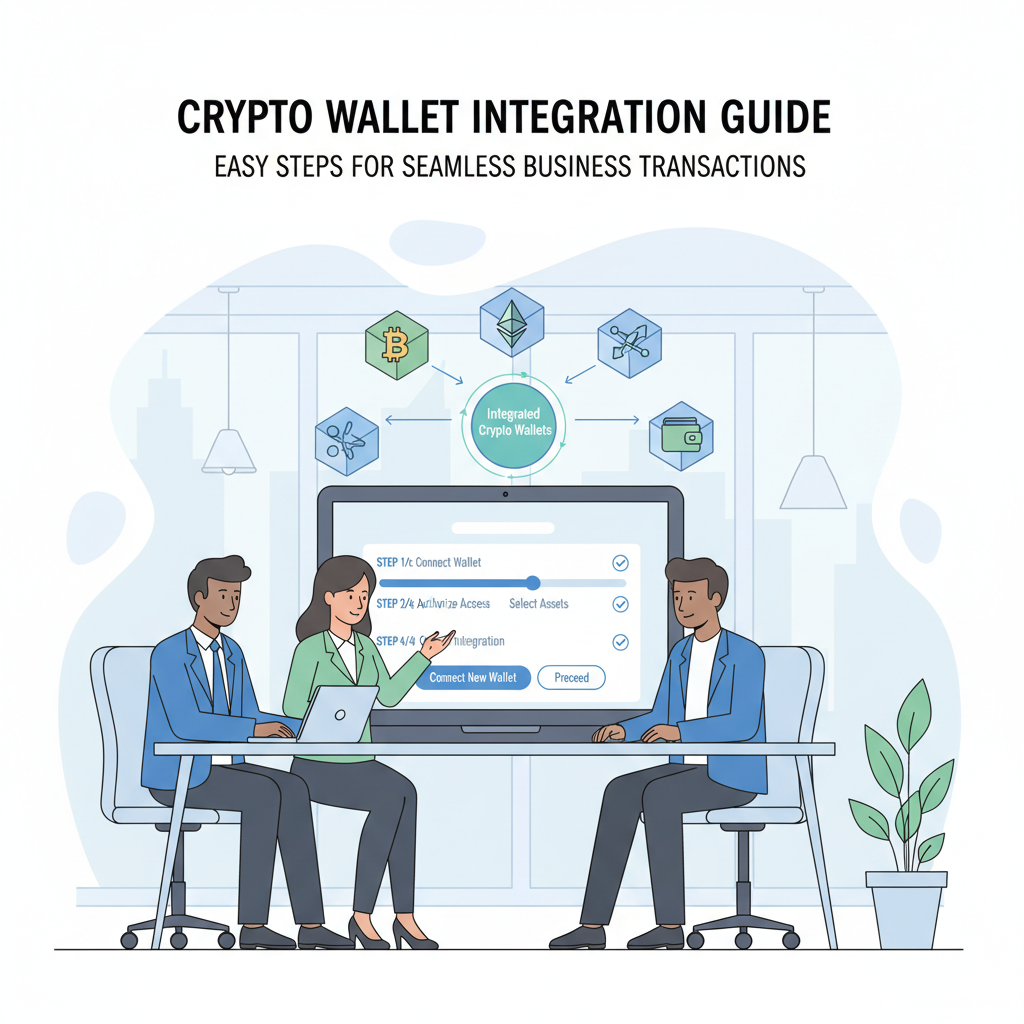
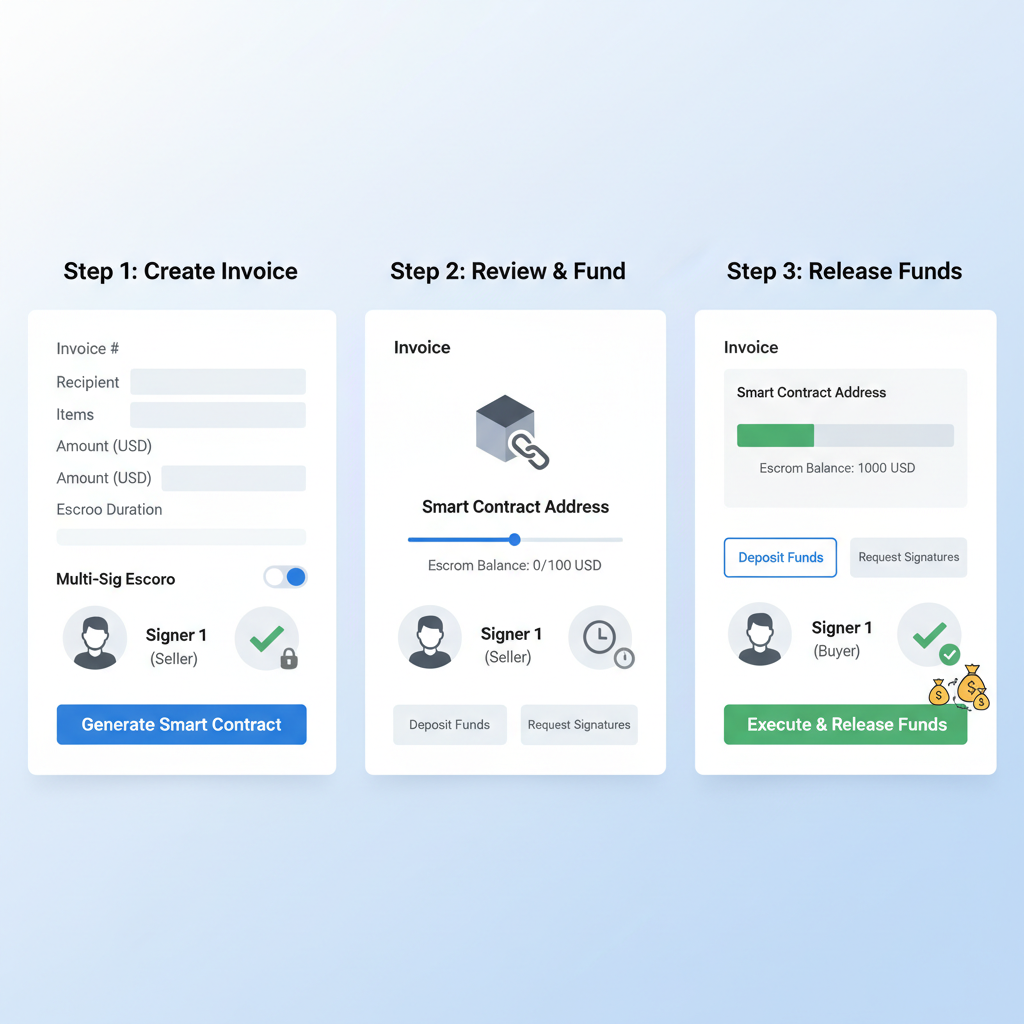
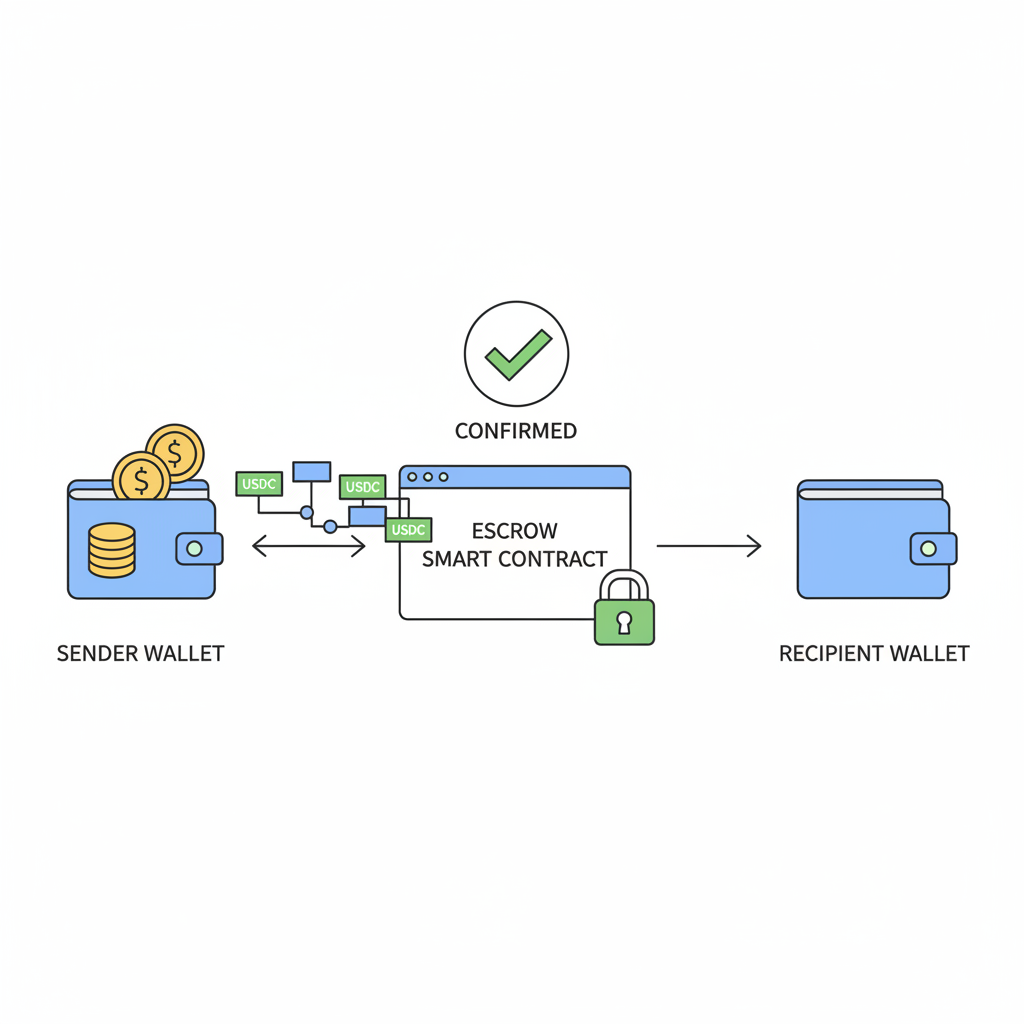

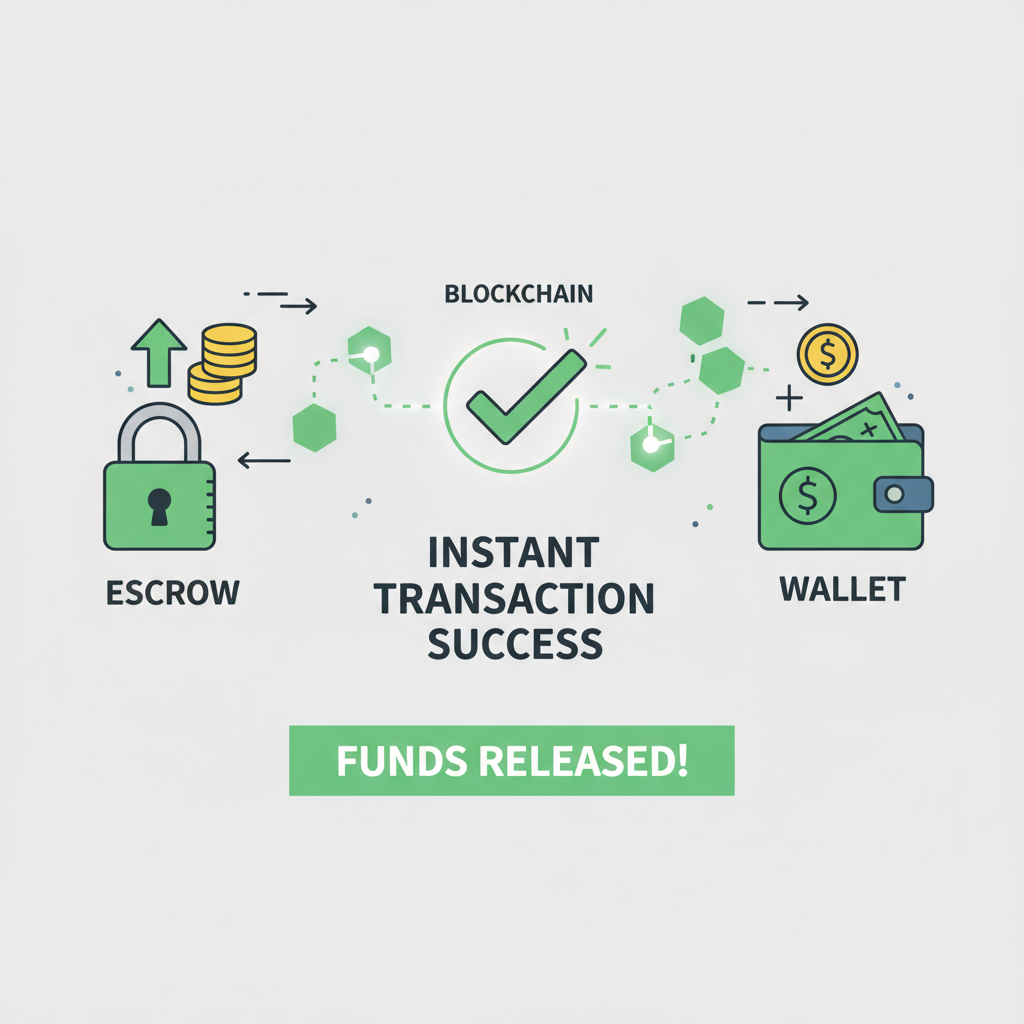
Fipto's USDC/EURC support exemplifies execution: businesses onboard fiat, convert to stablecoins, and escrow via multi-sig for minute settlements. This counters Payments Association frictions like fragmented standards, positioning adopters ahead of FinTechtris' bank-grade stablecoin rails forecast. I've charted these shifts; smoothed Heikin Ashi trends predict 2x cash velocity for USDC international invoicing users by Q3 2026.
Volatility tests reveal resilience. Traditional wires falter under FX pressure, but pegged stablecoins hold parity, with multi-sig as the trust anchor. Businesses eyeing WB6 or broader trade corridors gain most; my medium-term reads show stablecoin inflows correlating with 15% margin lifts.
Addressing Risks and Scaling Adoption
Regulatory tailwinds from U. S. /EU rulebooks propel pilots to production, per FinTechtris. Yet challenges linger: wallet literacy, oracle dependencies for milestones. StableInvoiceB2B. com mitigates via intuitive dashboards and 24/7 arbitration, ensuring cross border escrow stablecoin reliability. GITMA data quantifies multi-sig's edge: 90% and dispute reductions versus wires.
2026's landscape, per FXC Intelligence, favors programmable rails. Early movers like SquareFi hit $250 million; laggards face escalating costs. Platforms streamlining stablecoin B2B invoicing deliver not just savings but predictive cash flow edges, as my Heikin Ashi models confirm steadier trends post-adoption. Global traders stand to reclaim billions, one secure escrow at a time.
6-Month Price Stability Comparison for Stablecoins in Cross-Border B2B Invoicing
USDC vs. EURC and peers: Demonstrating minimal volatility for €20k invoice payments versus traditional bank FX exposure and volatile cryptos
| Asset | Current Price | 6 Months Ago | Price Change |
|---|---|---|---|
| USD Coin (USDC) | $1.00 | $1.00 | +0.0% |
| Euro Coin (EURC) | $1.14 | $1.12 | +1.8% |
| Tether (USDT) | $1.00 | $1.00 | +0.0% |
| DAI (DAI) | $1.00 | $1.00 | +0.0% |
| TrueUSD (TUSD) | $0.9993 | $1.00 | -0.1% |
| Bitcoin (BTC) | $72,580.00 | $65,000.00 | +11.7% |
| Ethereum (ETH) | $2,183.29 | $1,900.00 | +14.4% |
Analysis Summary
Stablecoins like USDC, USDT, DAI, and TUSD exhibit near-perfect peg stability (changes -0.1% to +0.0%) over 6 months, ideal for reducing volatility exposure in €20k B2B invoicing. EURC shows minor +1.8% fluctuation tied to EUR-USD rates. BTC and ETH gained +11.7% and +14.4%, highlighting risks unsuitable for stable payments.
Key Insights
- USDC maintained exact $1.00 peg with 0.0% change, perfect for escrow security.
- EURC's +1.8% reflects EUR strength vs. USD, still low volatility for Euro-denominated invoices.
- USD stablecoins averaged <0.1% deviation, far outperforming BTC/ETH's double-digit swings.
- Stablecoin stability cuts volatility risk vs. traditional bank transfers' FX spreads (up to 6.5% fees).
- Data underscores stablecoins' role in transforming cross-border B2B payments per Forbes/World Bank insights.
Real-time prices from CoinGecko (last updated 2026-03-16T03:12:13Z). 6 Months Ago prices from ~2025-09-17. Price Change = ((Current - Past) / Past) * 100%, formatted exactly as provided.
Data Sources:
- Main Asset: https://www.coingecko.com/en/coins/usd-coin/historical_data
- Euro Coin: https://www.coingecko.com/en/coins/euro-coin/historical_data
- Tether: https://www.coingecko.com/en/coins/tether/historical_data
- DAI: https://www.coingecko.com/en/coins/dai/historical_data
- TrueUSD: https://www.coingecko.com/en/coins/trueusd/historical_data
- Bitcoin: https://www.coingecko.com/en/coins/bitcoin/historical_data
- Ethereum: https://www.coingecko.com/en/coins/ethereum/historical_data
Disclaimer: Cryptocurrency prices are highly volatile and subject to market fluctuations. The data presented is for informational purposes only and should not be considered as investment advice. Always do your own research before making investment decisions.
No comments yet. Be the first to share your thoughts!