
The shift from net terms to real-time rails
The traditional Net30 and Net60 invoice model is no longer just a standard; it is becoming a structural liability for 2026 businesses. While these terms remain the most commonly offered across North America and Europe, the operational friction they introduce is incompatible with today’s speed-driven supply chains. CFOs are facing a high-stakes reality where waiting weeks for settlement directly impacts liquidity and growth capacity.
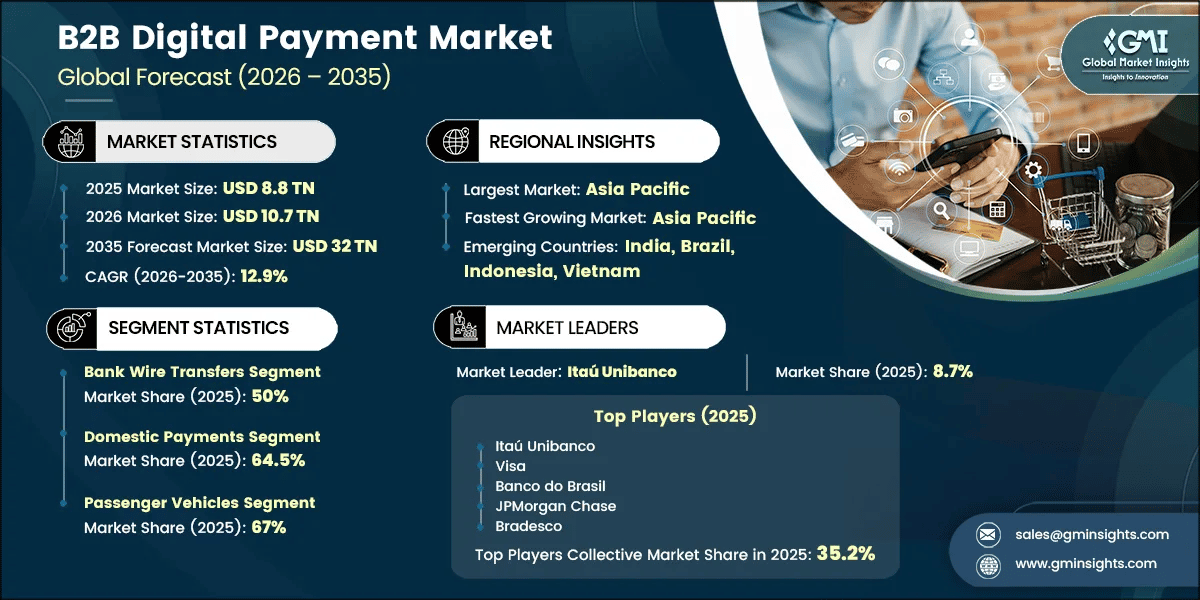
The data points to a decisive break from the past. Checks are fading from B2B transactions, replaced by faster, more flexible digital rails. This isn't just about convenience; it is about survival. Companies clinging to slow settlement methods are effectively lending money to their customers interest-free, tying up working capital that could be deployed elsewhere. The shift to real-time payments is not a trend—it is an operational imperative.
The contrast between legacy methods and modern rails is stark. Real-time payment systems offer immediate settlement, reducing the administrative burden of chasing payments and minimizing the risk of non-payment. For CFOs, this means greater predictability in cash flow and the ability to make data-driven decisions in real time. The choice is no longer whether to adopt faster rails, but how quickly a company can transition away from the outdated Net30/Net60 model.
AI automates the accounts receivable workflow
Artificial intelligence has shifted from a marketing buzzword to the core engine of modern accounts receivable. By 2026, forward-thinking CFOs are using AI not just to digitize invoices, but to predict payment behavior before the due date arrives. This shift addresses the high-stakes reality of cash flow: a single delayed payment can disrupt liquidity, while proactive intervention keeps working capital intact.
AI-driven collections tools analyze historical payment data, customer credit scores, and even external economic signals to assign a probability score to every outstanding invoice. Instead of waiting for a payment to become 30 days past due, the system flags high-risk accounts days in advance. This allows finance teams to intervene with targeted nudges or flexible payment options precisely when the customer is most likely to respond.
The operational impact is measurable. According to industry analyses, AI-driven collections can reduce Days Sales Outstanding (DSO) by 10 to 15 days by predicting late payments before they happen. For a mid-sized B2B company, this reduction in DSO can unlock millions in free cash flow, effectively turning receivables into a liquid asset rather than a stagnant liability.
This predictive capability also changes the nature of customer interactions. Rather than chasing payments with aggressive dunning emails, AI enables personalized, context-aware communication. The system might suggest a payment plan to a customer with a temporary cash crunch, preserving the relationship while securing revenue. This moves collections from a reactive, adversarial function to a strategic, relationship-preserving workflow.
As AI models become more sophisticated, they are beginning to integrate with broader financial planning tools. The data generated from payment predictions feeds directly into cash flow forecasts, giving CFOs greater visibility into future liquidity. This integration ensures that financial planning is based on actual payment behaviors rather than static, often inaccurate, assumptions about when invoices will be paid.
Stablecoins solve cross-border friction
In 2026, stablecoins have moved from experimental niche to operational necessity for international B2B invoicing. The traditional SWIFT network, while ubiquitous, remains structurally inefficient for high-stakes cross-border transactions. CFOs are increasingly bypassing legacy rails because the friction costs—both in time and fees—directly erode working capital margins. Stablecoins offer a settlement layer that operates 24/7/365, eliminating the weekend and holiday delays that plague traditional banking.
The primary advantage is speed combined with cost reduction. A wire transfer through correspondent banks can take three to five business days to settle, during which time funds are trapped in transit and exposed to FX volatility. Stablecoin transfers, particularly on high-throughput networks, settle in seconds. This near-instant finality allows businesses to reconcile accounts immediately, freeing up cash flow that would otherwise be tied up in float. For companies operating across multiple time zones, this reliability is not just a convenience; it is a competitive advantage.
FX fees remain a significant drain on international trade. Traditional banks often charge 2-4% for currency conversion and intermediary fees. Stablecoins, being pegged to fiat currencies like the US Dollar (USDC) or Tether (USDT), bypass the need for multiple currency conversions. The value remains stable, reducing the risk of adverse exchange rate movements between invoice issuance and payment receipt. This stability is critical for B2B contracts where margins are thin and predictable cash flow is paramount.
The adoption of stablecoins in B2B payments is accelerating as enterprises seek to modernize their treasury operations. According to industry analyses, the shift is driven by the need for real-time visibility into global cash positions. As payment processors and banking partners integrate stablecoin rails, the barrier to entry continues to fall, making it easier for CFOs to implement these solutions without building complex in-house infrastructure.

Legacy rails vs. digital alternatives
CFOs are no longer debating whether to modernize their payment rails; they are calculating the cash flow drag of staying put. While Net30 and Net60 terms remain the dominant standard across North America and Europe, the underlying infrastructure processing those invoices is bifurcating. Traditional wire and ACH networks offer institutional reliability but impose significant friction in speed and cost, whereas AI-driven and stablecoin-based invoicing offers near-instant settlement with variable regulatory clarity.
The operational reality is a trade-off between predictability and velocity. Legacy systems like ACH are cheap but slow, creating a three-to-five-day float that ties up working capital. Instant payment rails and stablecoin settlements reduce this to seconds, but introduce new complexities in FX management and compliance auditing. Understanding these differences is critical for managing liquidity in a high-stakes environment.
The following comparison highlights the distinct operational profiles of these three primary methods. Note that stablecoin metrics are highly dependent on the specific asset (e.g., USDC vs. DAI) and the blockchain network used, leading to higher variance in cost and speed.
| Rail | Avg. Cost | Settlement Speed | FX Risk | Reliability |
|---|---|---|---|---|
| ACH | $0.25–$1.50 | 1–3 business days | High (multi-day exposure) | High (NACHA governed) |
| Wire Transfer | $15–$50 domestic | Same-day/Instant | Medium (real-time) | Very High (FedWire) |
| Stablecoin | $0.01–$2.00 | Seconds–Minutes | Low (if USD-pegged) | Variable (network dependent) |
Implementing the new invoicing stack
Integrating AI-driven automation and stablecoin rails requires treating your ERP as a central hub, not a bottleneck. The goal is to layer new infrastructure on top of legacy systems to reduce Days Sales Outstanding (DSO) without disrupting existing accounting workflows. Finance teams must prioritize interoperability to ensure that digital asset settlements reconcile automatically with traditional ledger entries.
Map your current invoicing endpoints to identify where manual intervention causes cash flow delays. Isolate legacy ACH and wire transfer processes that cannot natively support instant settlement or AI reconciliation. This audit reveals which transactions are candidates for immediate digital asset migration versus those requiring hybrid processing.

Integrate an AI middleware layer that sits between your ERP and the payment provider. This component should use natural language processing to extract line-item data from incoming PDFs and match them against purchase orders before payment initiation. By automating exception handling, you reduce the administrative burden on AP teams and minimize errors that delay payment approval.
Select a regulated stablecoin (such as USDC) for cross-border or high-volume domestic payments. Configure your treasury management system to hold stablecoin reserves and automatically convert them to fiat upon receipt if your accounting policies require it. This setup provides near-instant finality, eliminating the 3-5 day float associated with traditional international wires.
Set up automated reconciliation rules that map blockchain transaction hashes to ERP invoice IDs. Your finance team needs a single view where crypto settlements and fiat payments are recorded in the same reporting dashboard. This visibility is critical for maintaining accurate cash flow forecasts and satisfying auditor requirements for digital asset transparency.
By following this phased approach, finance leaders can transition from outdated Net-30 or Net-60 terms to a continuous payment model. The result is a more resilient cash flow position that adapts to the speed of modern B2B commerce.
No comments yet. Be the first to share your thoughts!