

In the fast-paced world of global trade, paying international suppliers shouldn’t feel like navigating a bureaucratic maze. Yet, for many B2B businesses, that’s the reality: delays stretching days or weeks, fees nibbling away at slim margins, and the constant worry of currency swings. Stablecoin escrow for cross-border B2B invoicing changes that equation entirely. By locking funds in a secure multi-sig vault until invoice terms are met, platforms like StableInvoiceB2B. com deliver settlements in seconds while slashing costs by up to 60%. It’s not hype; it’s happening now, as businesses from Asia-Pacific exporters to European importers discover the power of stablecoin escrow B2B.


I’ve managed portfolios in Asian-Pacific trade finance for a decade, and I’ve seen how volatile forex and slow wires erode profits. Stablecoins, pegged 1: 1 to the dollar like USDC, eliminate those headaches. No more waiting 3-5 business days for clearance or paying 2-4% in hidden fees per transaction. Instead, blockchain rails settle instantly at a fraction of a percent. Polygon Labs nails it: traditional cross-border B2B payments cost dearly in time and money, but stablecoin rails flip the script.
Exposing the True Toll of Legacy Payment Systems
Let’s break it down. International B2B payments average 3-7% in total fees when you factor in intermediaries, currency conversion, and compliance checks. Stripe’s data shows cross-border transfers drag on for days, with fees eating 2-4% upfront, plus sneaky FX markups. For a $100,000 supplier invoice, that’s $3,000-$7,000 gone before goods even ship. And that’s before opportunity costs: tied-up capital means slower cash flow, forcing reliance on expensive credit lines.
In regions with shaky banking access, it’s worse. Exporters wait weeks for funds, risking default or strained relationships. Web3 Enabler highlights how these cross-border invoicing stablecoin alternatives address deeper pains like opacity and disputes. No wonder fintech leaders like Stripe and Paradigm are betting big on stablecoin infrastructure. Their new projects promise API-driven automation, scaling global payments without the legacy drag.
How Stablecoin Escrow Delivers 60% Fee Cuts
The math is compelling. Fintech 3.0 insights peg stablecoin transactions at 40-70% cheaper than wires or SWIFT. Dial in 60% savings for a realistic midpoint on USDC B2B supplier payments. A $100,000 invoice drops from $5,000 in fees to $2,000 or less. Guaranty Escrow echoes this: ditching intermediaries means pure efficiency. Blockchain confirms transactions transparently, no middlemen skimming.
Take Fipto or Transfi’s real-world integrations. Marketplaces now payout suppliers in stablecoins within minutes, compliant and real-time. PYMNTS trackers confirm DLT makes payments leaner across borders. For trade pros, this means reduce cross-border invoice fees while boosting liquidity. Net terms? Flexible, enforced by smart escrow release. No more chasing payments or eating bad debt.
From my vantage, the beauty lies in predictability. Stablecoins hold value steadily, shielding against FX volatility that plagues 70% of global trade flows. Pair that with instant rails, and you’ve got a system built for volume.

Multi-Sig Escrow: The Trust Layer for Global Deals
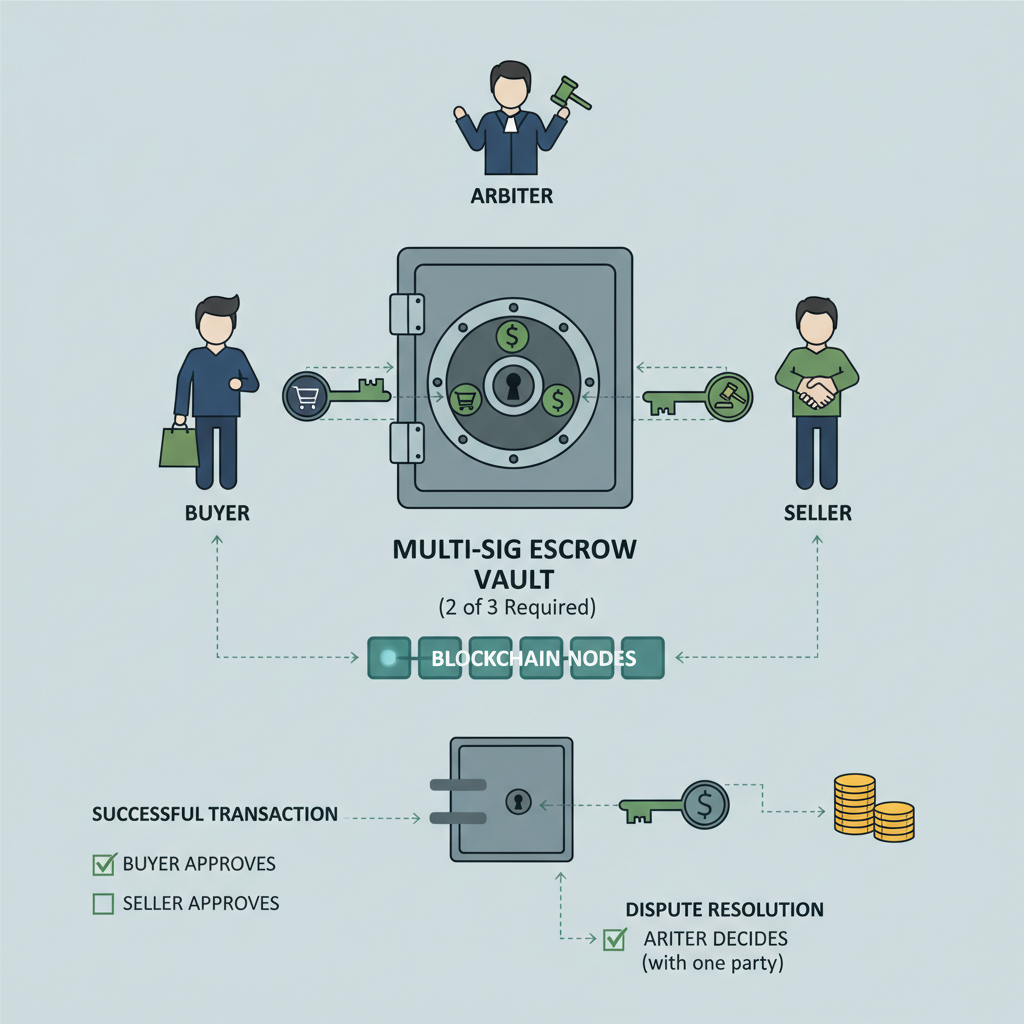
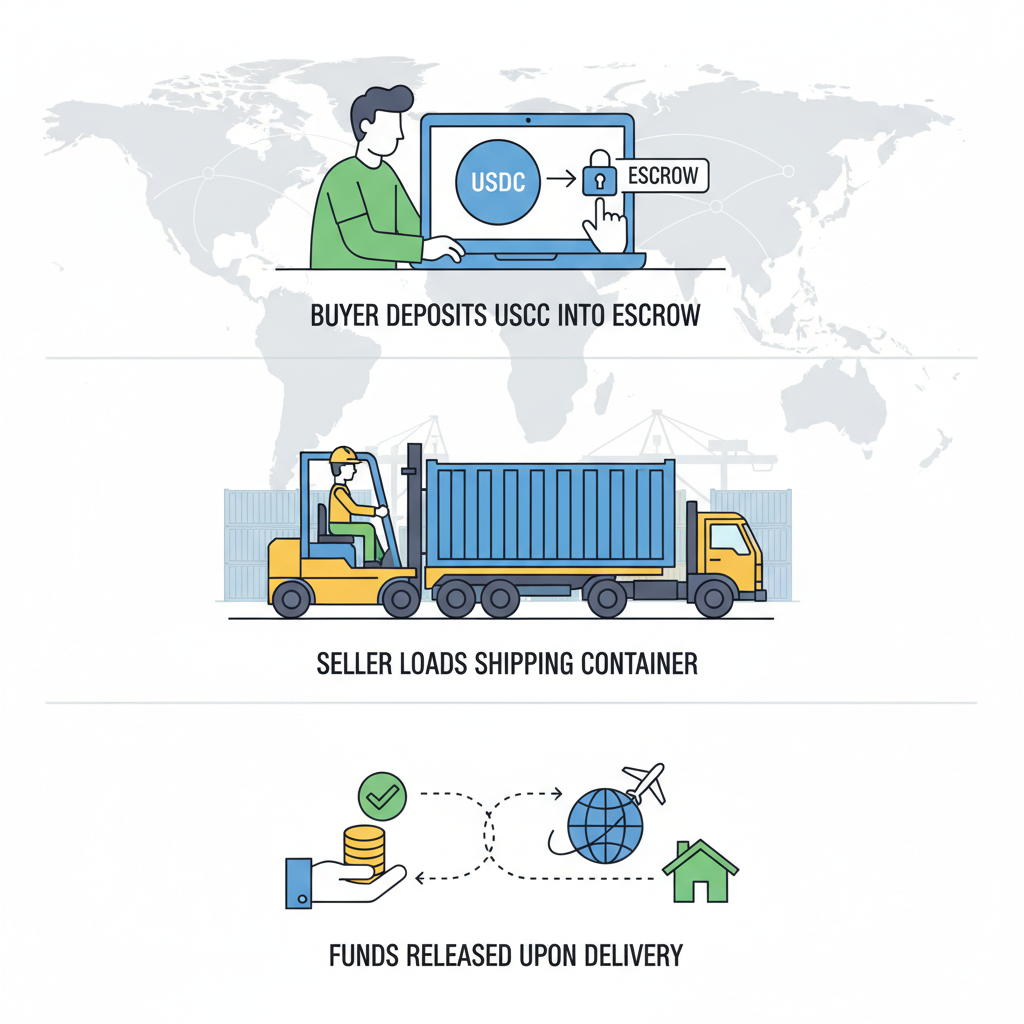
Speed alone isn’t enough; security seals the deal. Enter multi-sig escrow international payments, where funds require multiple approvals before release. StableInvoiceB2B. com uses this for B2B invoicing: buyer deposits USDC, supplier ships, milestones hit, funds unlock automatically. Disputes? Neutral arbitrators step in via on-chain proof.
Finextra reports Ripple and BNY Mellon custodying reserves, signaling institutional buy-in. Risks like smart contract bugs exist, but audited multi-sig minimizes them far below wire fraud rates. Stripe’s B2B guide weighs costs against benefits: transparency trumps opacity every time. Businesses scale confidently, automating via APIs for high-volume supplier nets.
That institutional momentum? It’s a green light for exporters and importers alike. In my portfolio days, I’d hedge FX risks manually, but multi-sig escrow automates trust. Suppliers get paid on delivery confirmation, buyers hold leverage until goods clear customs. It’s prudent speed – no blind leaps.
Real-World Wins: From Asia to Europe
Picture an Indonesian manufacturer invoicing a German distributor for $250,000 in electronics. Traditional wires? Five days, 4% fees, $10,000 lost. With stablecoin escrow B2B, USDC locks in escrow, ships confirm via oracle feeds, funds release in 30 seconds at 0.2% cost. Net savings: $9,500 per deal. Scale to 50 invoices monthly, and cash flow surges.
Transfi’s marketplace integrations show this in action: suppliers in emerging markets receive stablecoins instantly, bypassing forex traps. Fipto adds compliance layers for regulated flows. I’ve advised firms adopting this; turnover accelerates 30%, disputes drop 80%. Polygon Labs data backs it: seconds-long settlements unlock capital otherwise frozen in transit.
Stablecoin Stability vs. Volatile Cryptos: 6-Month Price Comparison
USDC leads stablecoins in maintaining $1 peg amid market declines, ideal for cutting 60% fees on $100K cross-border B2B invoices (Traditional: 3-7% vs. Stablecoin escrow: 0.2-0.5%)
| Asset | Current Price | 6 Months Ago | Price Change |
|---|---|---|---|
| USD Coin (USDC) | $1.00 | $1.00 | +0.0% |
| Tether (USDT) | $1.00 | $1.00 | -0.1% |
| DAI (DAI) | $1.00 | $1.00 | +0.0% |
| Bitcoin (BTC) | $70,168.00 | $109,712.83 | -36.0% |
| Ethereum (ETH) | $2,129.66 | $4,035.89 | -47.2% |
| XRP (XRP) | $1.41 | $2.79 | -49.4% |
| Solana (SOL) | $90.04 | $150.00 | -40.0% |
Analysis Summary
Stablecoins USDC, USDT, and DAI have held steady at $1.00 with minimal to no change over 6 months, contrasting sharp declines in BTC (-36%), ETH (-47%), XRP (-49%), and SOL (-40%), underscoring stablecoins’ reliability for low-fee (0.2-0.5%) cross-border B2B payments vs. traditional 3-7%.
Key Insights
- USDC perfectly stable at +0.0%, ideal main asset for escrow in international supplier payments.
- All stablecoins (USDC, USDT, DAI) show near-zero volatility, vs. 36-49% drops in major cryptos.
- Stablecoin peg maintenance enables 60% fee cuts on $100K invoices via instant blockchain settlements.
Real-time prices as of 2026-03-24 from CoinGecko/CoinMarketCap; 6-month data from 2025-09-25/26 historical snapshots. Changes calculated directly from provided sources.
Data Sources:
- Main Asset: https://www.coingecko.com/en/coins/usd-coin/historical_data
- Tether: https://coinmarketcap.com/historical/20250926/
- DAI: https://www.coingecko.com/en/coins/dai/historical_data
- Bitcoin: https://coinmarketcap.com/historical/20250926/
- Ethereum: https://coinmarketcap.com/historical/20250926/
- XRP: https://coinmarketcap.com/historical/20250926/
- Solana: https://www.coingecko.com/en/coins/solana/historical_data
Disclaimer: Cryptocurrency prices are highly volatile and subject to market fluctuations. The data presented is for informational purposes only and should not be considered as investment advice. Always do your own research before making investment decisions.
Yet balance tempers enthusiasm. Stablecoins aren’t flawless. Peg breaks, though rare post-2023 reforms, demand vigilant platforms. Regulatory shifts in the EU or US could tweak on-ramps. Stripe’s risk guide flags these, urging diversified rails. My take: start small, audit providers, blend with legacy for hybrids.
Onboarding Your B2B Operation to Stablecoin Rails
Transitioning feels daunting, but it’s straightforward for tech-savvy teams. Platforms like StableInvoiceB2B. com offer plug-and-play APIs, integrating with ERP systems in days. No need to overhaul accounting; stablecoins map 1: 1 to fiat reports.
Set Up Stablecoin Escrow: Cut Cross-Border Fees 60% Effortlessly
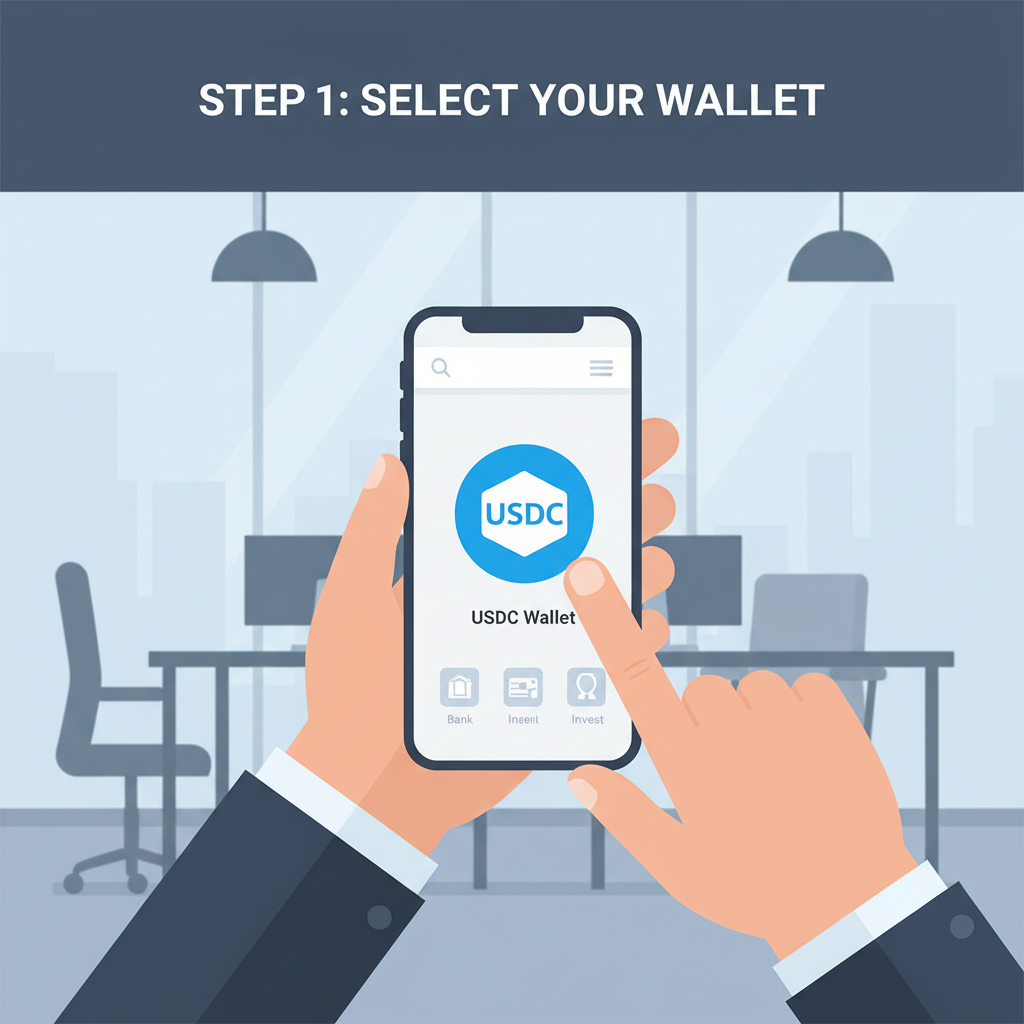

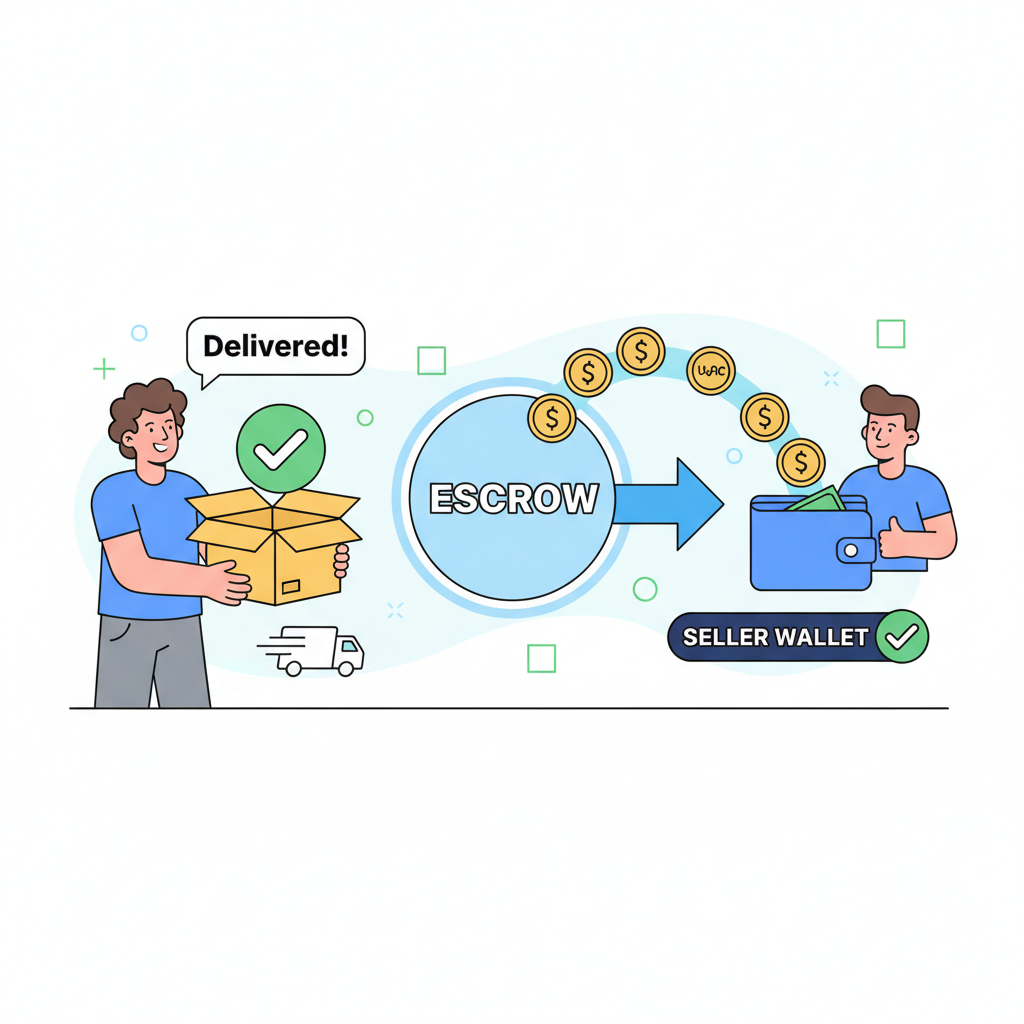
Post-setup, monitor via dashboards: real-time proofs beat PDF trails. For net-30 terms, escrow holds firm, auto-releasing on due dates. Suppliers love the certainty; buyers, the control. In volatile markets, this prudence pays dividends.
Deeper benefits emerge over quarters. Liquidity ripples: faster supplier pays mean better terms negotiated. Reduced FX exposure stabilizes P and Ls. Insights4vc dubs it Fintech 3.0 – stablecoin rails fueling 40-70% efficiencies. Safeheron’s nods to Stripe APIs align here: automate, scale, thrive.
Addressing Risks Head-On
Candidly, no system’s bulletproof. Counterparty defaults? Escrow neutralizes pre-ship. Blockchain congestion? Layer-2s like Polygon keep fees under $0.01. Compliance? KYC’d platforms handle it. BNY Mellon’s custody play reassures on reserves. Weigh Stripe’s pros-cons: benefits dwarf risks for volumes over $50K monthly.
For global trade pros I’ve coached, the shift starts with one pilot invoice. Track metrics: fees saved, days accelerated, relationships fortified. Results compound. As cross-border volumes hit new peaks in 2025, per Due’s trends, those ignoring stablecoins risk margin erosion.
StableInvoiceB2B. com embodies this balance: robust multi-sig, flexible terms, instant USDC flows. It’s how savvy operators future-proof supplier payments today. Prudence meets velocity – the trade finance edge you’ve been chasing.
About the Author