
In the intricate web of global supply chains, suppliers from emerging markets often wait weeks for payments on invoices that cross borders, grappling with exorbitant fees and currency swings that erode margins. Stablecoin escrow emerges as a deliberate evolution, not a fleeting trend, anchoring cross-border invoicing stablecoin processes with programmable security. Platforms like StableInvoiceB2B. com exemplify this shift, leveraging multi-sig wallets to hold funds until milestones are met, fostering trust without the baggage of legacy banking.

Consider a manufacturer in Vietnam supplying components to a European assembler. Traditional wires might incur 5-7% in fees and take five business days, exposing both parties to forex risks. Stablecoin B2B payments, settled on blockchains like Ethereum or Solana, slash this to under 1% and minutes, as noted in Fireblocks' global insights on 2025 infrastructure trends. This isn't hype; it's a structural pivot toward efficiency in a $125 trillion B2B payments ecosystem plagued by trust gaps, per BE Blockchain analysis.
Legacy Friction: Why Global Suppliers Demand Change
International money movement remains a quagmire of correspondent banking layers, SWIFT delays, and opaque intermediaries. FXC Intelligence's 2025 data reveals B2B cross-border payments growing positively, yet mired in high costs; suppliers report average settlement times of 3-5 days even on prime corridors. Volatility compounds this: a 2% dollar swing can wipe out quarterly profits for smaller exporters.
Deutsche Bank Research highlights a plateau in stablecoin adoption, with February 2025 seeing ~$3 billion in monthly B2B volumes for vendor payments and invoices. TON reports global stablecoin transactions hitting $5 trillion by August 2025, capturing 3% of cross-border flows. These figures underscore a maturation phase, where stablecoin B2B escrow integrates into enterprise workflows, not as an experiment, but as infrastructure.
Multi-Sig Escrow: Building Long-Term Trust in Volatile Markets
At the heart of multi-sig escrow international trade lies a simple yet profound mechanism: funds locked in a smart contract requiring approvals from buyer, seller, and neutral arbiter before release. This eliminates disputes over delivery or quality, a perennial headache in global trade. StableInvoiceB2B. com's implementation, with net terms flexibility, allows suppliers to invoice in USDC or USDT, escrow via multi-sig, and settle instantly upon verification.
McKinsey's 2025 Global Payments Report maps this onto digital assets and AI-enhanced rails, predicting programmable money will dominate where speed and transparency reign. Cobo's enterprise guide echoes this, positioning stablecoins for B2B settlement due to global reach. In regions like Latin America and Africa, where banking lags, solutions from Delight Technology mirror this, enabling AI-powered platforms for swift transactions.
RebelFi's analysis proclaims 2025 as the year enterprise B2B payments go on-chain, with 99% cost reductions via instant settlement. Mastercard's Paxos collaboration extends stablecoin-to-fiat for cross-border B2B, signaling institutional buy-in. Fipto and Monavate provide rails cutting costs by 80% on key corridors, transforming invoicing for suppliers weary of delays.
This momentum reflects deeper macro trends: as bonds yield stability amid crypto's growth, long-term investors like myself see low fee cross border B2B invoicing as a hedge against inflation and geopolitical flux. Suppliers gain predictable cash flow, buyers secure terms, all without the drag of fractional reserve uncertainties. Due's report on stablecoins cutting fees and boosting transparency captures the essence: frictionless borders breed resilient trade networks.
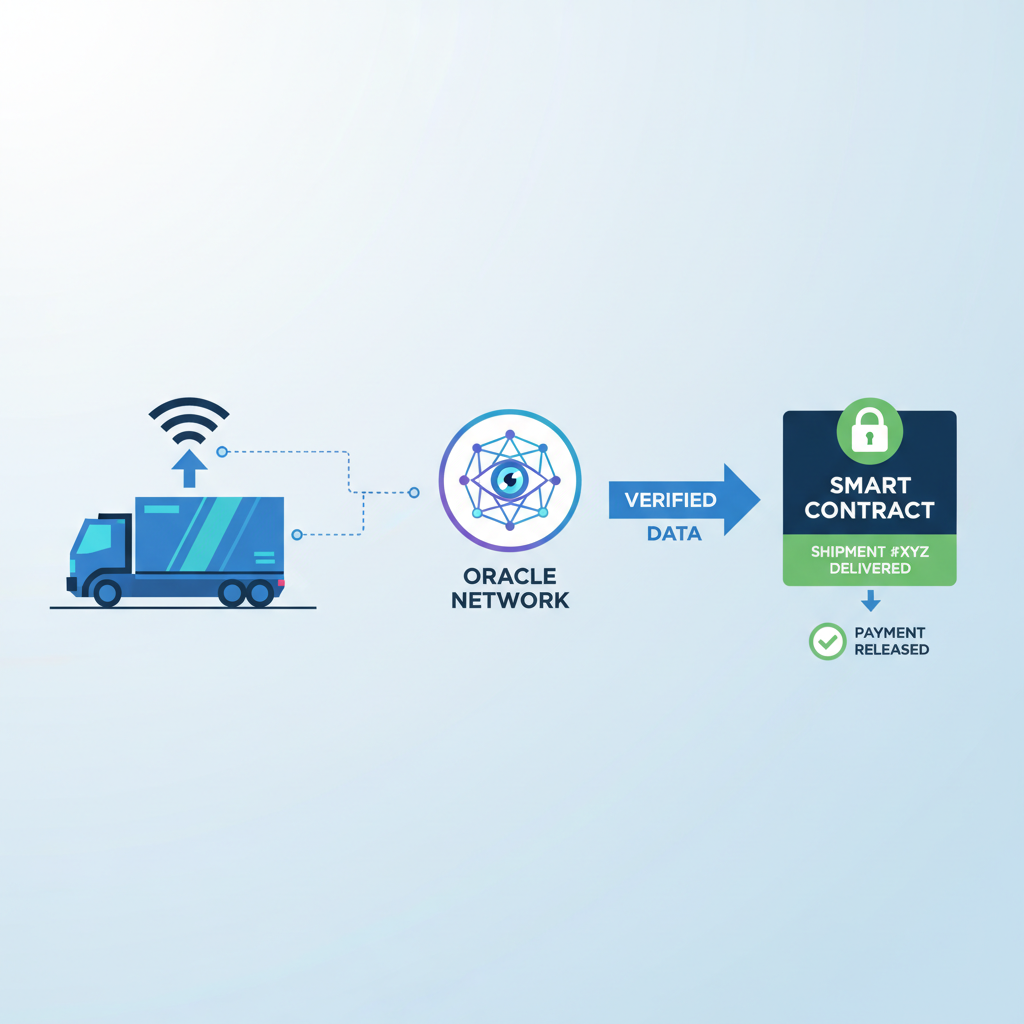
Yet adoption hinges on robust infrastructure. Fireblocks emphasizes regional drivers, from Asia's remittance hubs to Europe's regulatory thaw. By embedding escrow in invoicing platforms, businesses sidestep the $125T trust gap, programming releases tied to IoT-verified shipments or oracle-fed milestones. This isn't disruption for its sake; it's patient architecture for enduring commerce.
Suppliers in high-friction corridors stand to gain most from this architecture. Take African exporters or Latin American producers: traditional rails falter with multi-day holds and 7% FX bites. Stablecoin platforms counter this directly, as seen in Delight Technology's AI-driven solutions, which prioritize speed and security for these markets. Fipto delivers up to 80% cost savings on key routes, while Monavate's infrastructure enables near-instant B2B settlements, peeling away layers of inefficiency.
Seamless Integration: How Stablecoin Escrow Fits Enterprise Workflows
Enterprise adoption accelerates when escrow dovetails with existing ERP systems. StableInvoiceB2B. com bridges this gap, allowing invoices generated in familiar formats to trigger multi-sig locks in USDC, with releases automated via API oracles confirming shipment scans. This programmability, highlighted in BE Blockchain's trust gap analysis, turns static invoices into dynamic contracts. No longer do suppliers chase wires; they monitor on-chain progress, reducing DSO from weeks to days.
5-Step Stablecoin Escrow: Revolutionizing Cross-Border B2B Invoicing
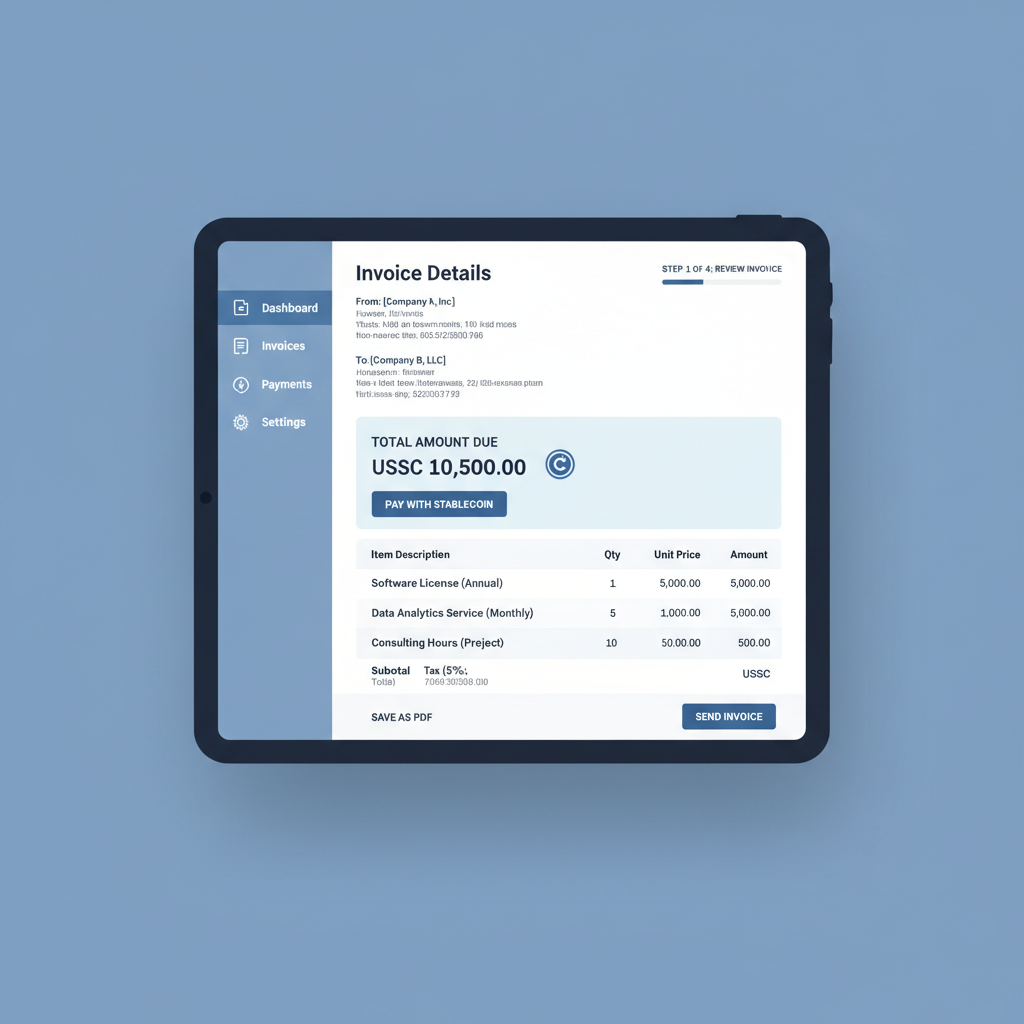
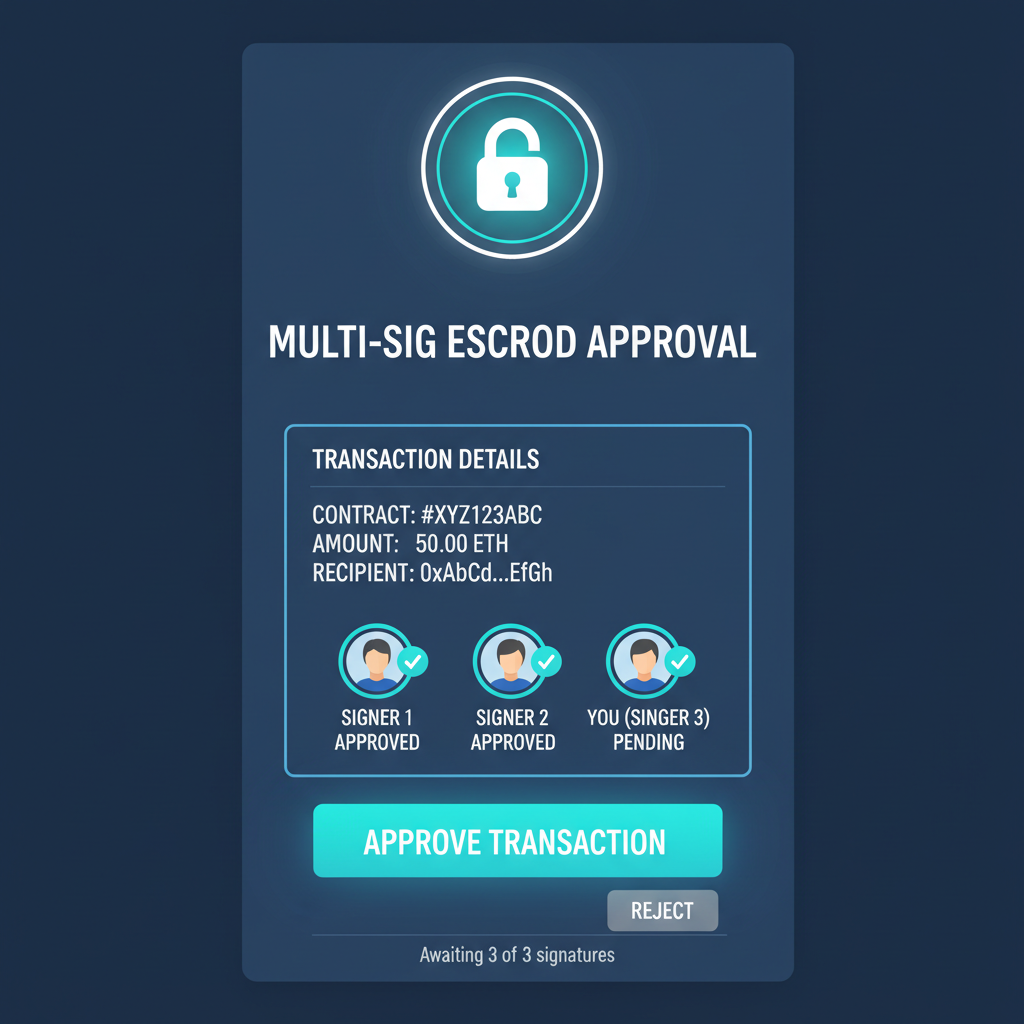
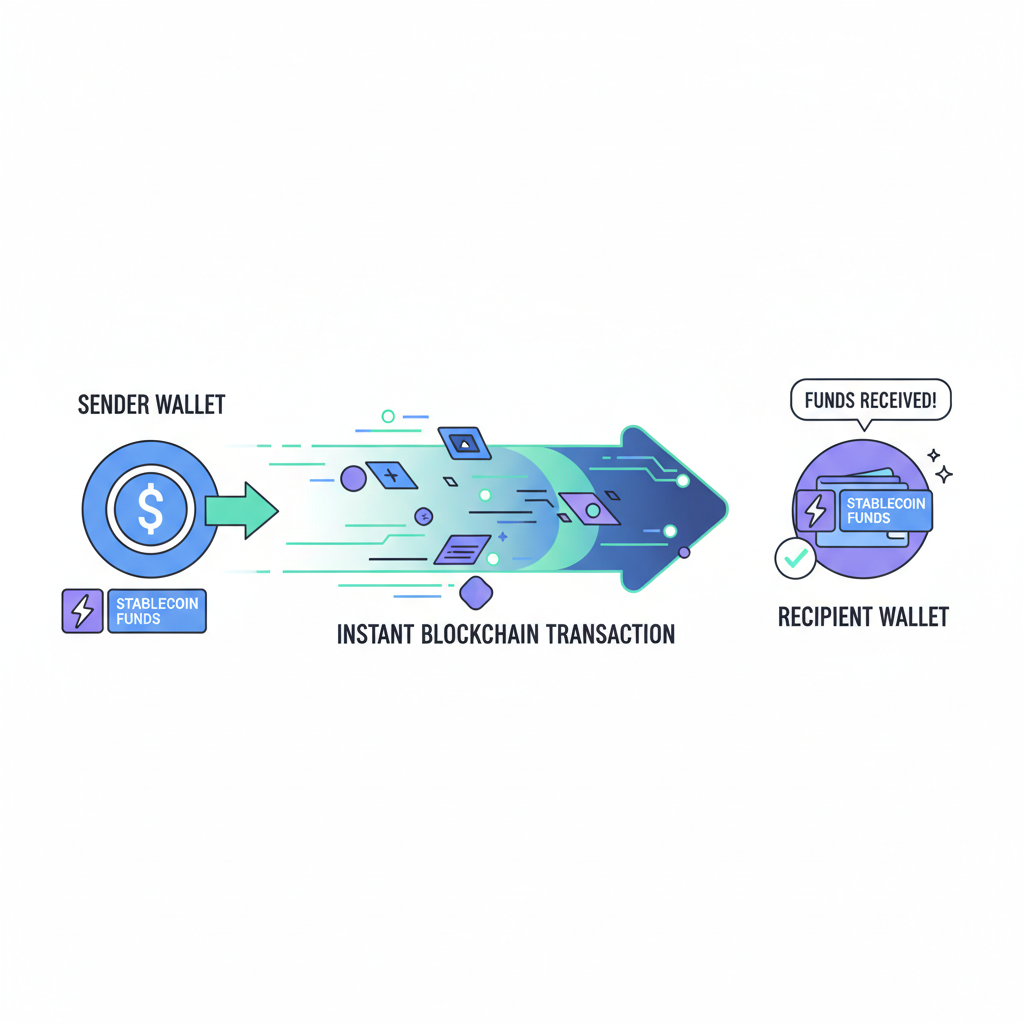
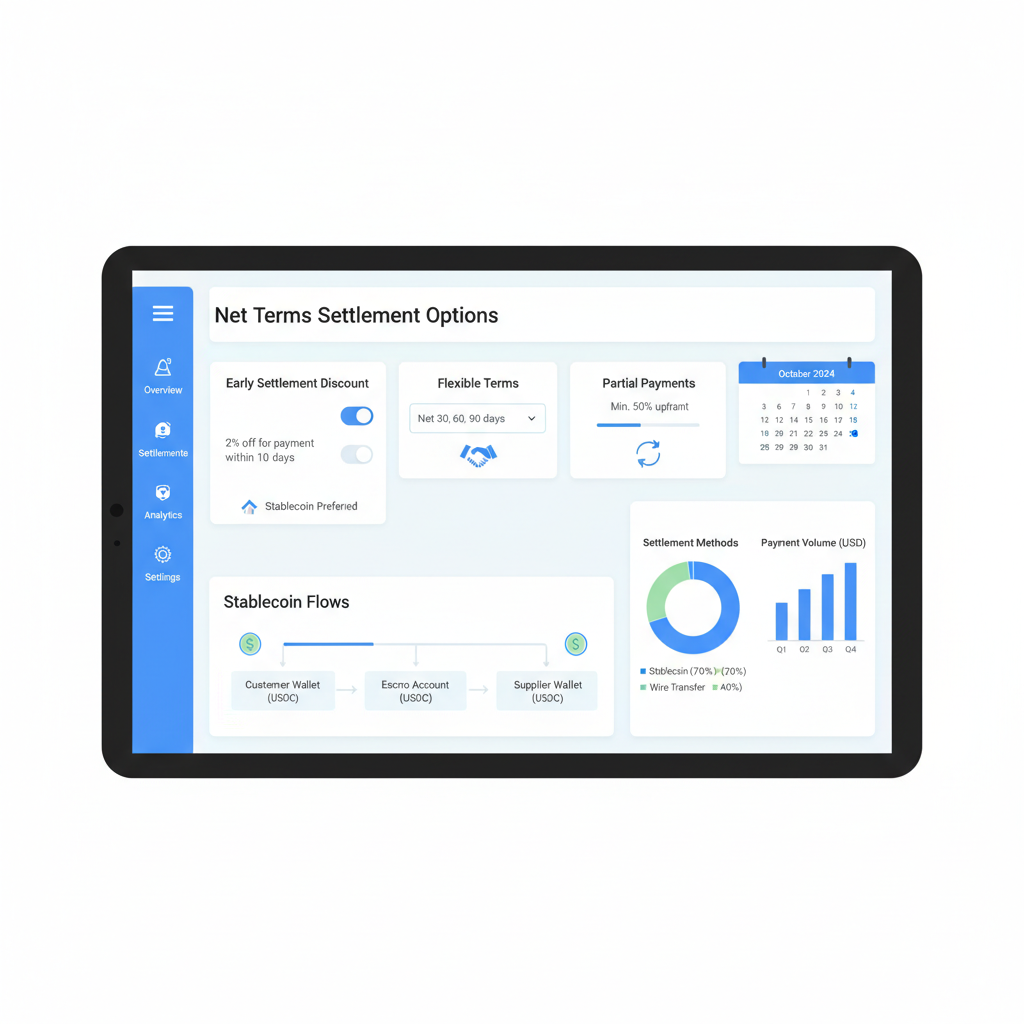
Mastercard's deepened Paxos tie-up in 2025 underscores this shift, channeling stablecoin-to-fiat for B2B flows and normalizing crypto rails. Bitwave notes surging adoption, with enterprises layering escrow atop payments for dispute-proof trade. From my vantage as a seven-year crypto-bond investor, this convergence rewards patience: stablecoins buffer volatility, much like diversified fixed income, ensuring cash flows endure macro storms.
Quantified Gains: Fees Slashed, Cash Flow Stabilized
Numbers paint the transformation starkly. RebelFi pegs cost drops at 99% for on-chain B2B, aligning with Due's emphasis on minute-long settlements and transparency. FXC Intelligence tracks 2025's upbeat data, yet stablecoins eclipse incumbents by sidestepping correspondent drags. Monthly B2B volumes at $3 billion in February signal scale; by August, $5 trillion total transactions claimed 3% of cross-border volume, per TON. For suppliers, this means low fee cross border B2B invoicing becomes table stakes, not luxury.
Consider margins: a 5% traditional fee on a $100,000 invoice vanishes, preserving $5,000 per deal. Multiplied across quarterly volumes, that's transformative for mid-tier exporters. Volatility hedges via pegged assets protect against swings that once devoured profits. Platforms like Paycifi's smart escrow exemplify solving the $125T gap, programming payments to milestones and ending latency.

Regional nuances amplify impact. Fireblocks charts Asia's remittance dominance and Europe's compliance-friendly thaw, while emerging markets leapfrog via stablecoin rails. Cobo's guide stresses enterprise programmability for global reach, positioning b2b stablecoin payments as the fulcrum for trade resilience.
Challenges persist, of course; regulatory harmonization lags, and liquidity pools must deepen. Yet infrastructure winners, as Fireblocks predicts, will dictate trajectories. StableInvoiceB2B. com's compliance focus, with multi-sig audits and KYC rails, positions it for this marathon. Suppliers integrating now build moats: predictable inflows fund expansion, not idle waits.
Over time, this fosters ecosystems where trust compounds. IoT sensors trigger escrows on delivery, AI disputes resolve via oracles, and net-60 terms extend without risk premiums. McKinsey's roadmap envisions AI-digital asset fusion; we're witnessing its genesis. For global suppliers, stablecoin b2b escrow isn't a tool, it's the new baseline, fortifying balance sheets against tomorrow's uncertainties. As trade volumes swell amid fragmented geopolitics, those embracing multi-sig escrow international trade will thrive, their ledgers a testament to foresight in flux.




No comments yet. Be the first to share your thoughts!