
In the bustling trade corridors of the Asia-Pacific region, where supply chains span continents and invoices pile up amid currency fluctuations, stablecoin escrow for cross-border B2B invoicing emerges as a game-changer. Businesses grappling with two- to five-day settlement delays and opaque fees now turn to platforms like StableInvoiceB2B. com, leveraging stablecoins pegged to fiat for near-instant, transparent transactions. Monthly volumes have skyrocketed from under $100 million in early 2023 to over $3 billion by 2025, signaling robust trust in this infrastructure amid APAC's dynamic markets.
Traditional APAC B2B Payments: A Costly Bottleneck
APAC trade professionals know the drill: issuing an invoice from Singapore to a supplier in Vietnam triggers a cascade of inefficiencies. Traditional systems like SWIFT demand intermediaries, racking up fees that devour 2-5% of transaction values, while settlement times stretch to days. Hidden charges, such as those averaging $6.08 for a $200 UAE-to-Philippines transfer, erode margins. Volatility in local currencies adds risk, forcing treasurers to hedge or hold excess buffers, tying up capital.
McKinsey's 2025 Global Payments Report underscores this friction, dissecting how legacy rails falter against digital assets. Fireblocks highlights regional trends, noting APAC's leap in stablecoin adoption driven by remittance-heavy economies. Yet, without escrow safeguards, disputes over goods or services leave parties exposed, amplifying risks in high-volume B2B flows.
SWIFT vs. Stablecoin Escrow: Key Metrics Comparison
| Metric | SWIFT | Stablecoin Escrow |
|---|---|---|
| Fees 💸 | 2-5% | 0.1-1% 💰 |
| Settlement Time ⏱️ | 2-5 days ⏳ | Minutes ⚡ |
| Transparency 👁️ | Low 🔒 | High 📊 |
| Cost Savings 💵 | N/A ❌ | 20-40% ✅ |
This table reveals the stark divide, with stablecoins slashing processing costs by 20-40% and accelerating settlements by 50%, per RebelFi analysis. For APAC firms, where cash flow dictates survival, these metrics translate to liberated liquidity and sharper competitive edges.
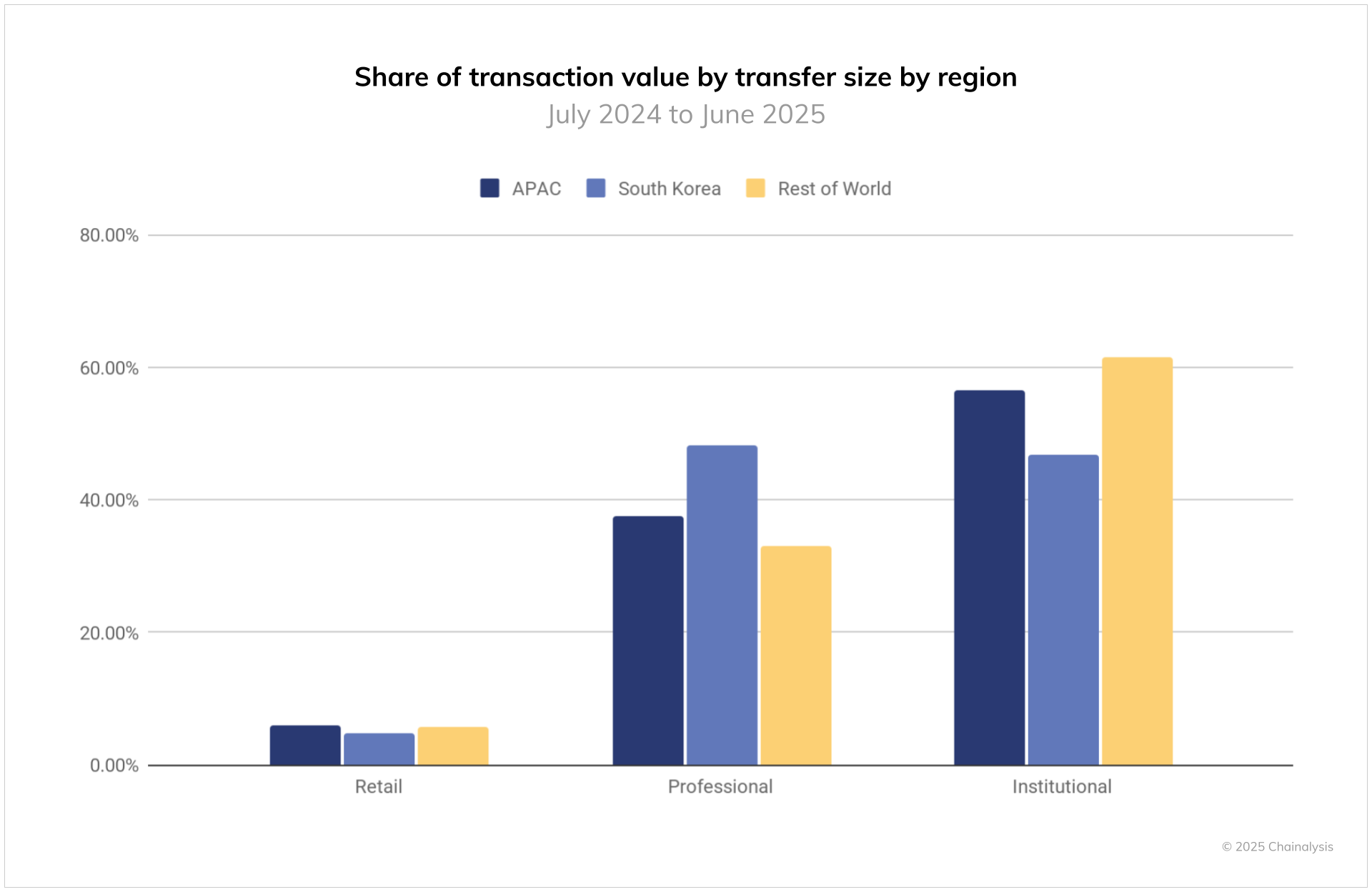
Rise of Multi-Sig Escrow in Stablecoin Ecosystems
Enter multi-sig escrow stablecoin solutions, fortifying cross-border invoicing stablecoin with tamper-proof holds. Platforms integrate multi-signature wallets, requiring consensus from buyer, seller, and arbiter before release. StableInvoiceB2B. com exemplifies this, offering net terms alongside instant stablecoin settlements B2B, shielding against volatility while ensuring compliance.
AWS's State of Stablecoin report points to emerging markets' embrace for affordable cross-border flows. SUNRATE details adoption stages: initial 'stablecoin sandwiches' in volatile zones evolving to broad B2B applications. Stripe's guide on B2B stablecoin payments weighs costs against risks, affirming escrow's role in trust-building. Fipto and Tazapay pioneer integrations, settling in under 30 minutes, yet scalable infrastructure remains pivotal, as Fireblocks predicts for 2025 winners.
These innovations resonate in APAC, where B2B marketplaces demand secure escrow. PaymentsJournal explores use cases like supplier financing, while Due emphasizes transparency gains. Stablecoin volumes reached $122 billion, B2B leading, per Bluerails, underscoring momentum.
Quantifying Gains: Fees, Speed, and Risk Mitigation
For APAC B2B payments with stablecoin, the math is compelling. Traditional fees compound across invoice chains; stablecoins cap them at fractions, yielding 4-8% returns on balances via yields. StablecoinInsider's review of processors notes drops from days to minutes, vital for just-in-time manufacturing hubs like Thailand or Indonesia.
Risks plummet with on-chain verifiability: every escrow step logs immutably, curbing fraud. Regulatory hurdles persist, but compliant platforms navigate MiCA and local frameworks, fostering enterprise uptake. As a technical chartist, I've traced these flows in forex overlays; stablecoin rails mirror trade volumes, spiking with APAC exports.
Businesses report enhanced cash flow, reallocating buffers to growth. StableInvoiceB2B. com's multi-sig model, tailored for enterprises, embodies this shift, proving charts reveal undeniable trade efficiencies.
Implementation demands more than enthusiasm; it requires platforms attuned to APAC's regulatory mosaic. From Singapore's MAS guidelines to Indonesia's OJK oversight, compliant stablecoin escrow B2B setups bridge gaps where legacy systems stumble. My charts of stablecoin inflows against export data show synchronized surges, particularly in electronics and textiles corridors.
APAC Case Studies: From Friction to Fluidity
Consider a Thai manufacturer invoicing a Korean distributor: traditional wires drag with weekend halts and FX spreads. Switching to multi-sig escrow stablecoin via Tazapay slashed their cycle to minutes, fees to 0.5%, per marketplace integrations. Fipto's fiat-stablecoin hybrid settled Vietnam-Singapore trades under 30 minutes, unlocking liquidity for reinvestment. These aren't anomalies; Bluerails notes B2B's lead in $122 billion stablecoin volumes, with APAC corridors amplifying the trend.
StablecoinInsider's expert-tested processors, like those reducing 2-5% fees to under 1%, thrive here. A Malaysian palm oil exporter, facing Philippine importer disputes, used escrow to hold USDC until delivery confirmation, averting $50,000 losses. PaymentsJournal's B2B use cases extend to dynamic discounting, where early payments yield premiums, all secured on-chain.
Top APAC Stablecoin Benefits for B2B 🇹🇭 🇰🇷 🇸🇬
| Solution | Cost Reduction | Settlement Speed | Risk Mitigation | Liquidity Boost |
|---|---|---|---|---|
| 🇹🇭 USDC Escrow | 40% | Instant | Multi-sig | 4-8% yields |
| 🇰🇷 USDT Flows | 30% | Minutes | On-chain audit | High |
| 🇸🇬 Platform Avg | 20-40% | 50% faster | High transparency | Significant |
Such transformations quantify APAC B2B payments stablecoin prowess, aligning with RebelFi's 50% speed gains and Stripe's cost-benefit ledger. As volumes hit $3 billion monthly, infrastructure like Fireblocks predicts dominance for scalable players.
Navigating Risks in Volatile Markets
Skeptics cite depegging scares or custody vulnerabilities, yet diversified stablecoins like USDC maintain pegs through reserves, per AWS insights. Stripe flags compliance risks, but multi-sig disperses keys, rendering single-point failures obsolete. Regulatory evolution, from Hong Kong's sandbox to Australia's pilots, eases enterprise entry.
In my analysis, volatility charts decouple post-escrow: stablecoin pairs exhibit tighter bands than fiat crosses. Operational risks? Smart contract audits and oracle redundancies fortify platforms. SUNRATE's adoption phases affirm: APAC skips sandwiches, vaulting to mature B2B rails. Due's friction audit reveals transparency as the ultimate mitigator, logging disputes immutably.
These assurances propel adoption, with McKinsey's roadmap favoring AI-enhanced rails intertwined with stablecoins.
StableInvoiceB2B. com stands at this nexus, its cross-border invoicing stablecoin toolkit blending net-60 terms with instant stablecoin settlements B2B. Tailored for APAC enterprises, it deploys multi-sig vaults tracking trade flows in real-time, much like my forex overlays predict surges. Treasurers reallocate buffers, exporters scale confidently, importers verify swiftly.
Chart patterns confirm: stablecoin lanes thicken alongside APAC GDP vectors, outpacing SWIFT relics. Platforms evolving with 2025 infrastructure, as Fireblocks forecasts, will dictate winners. For global trade professionals, this isn't disruption; it's destiny, etched in immutable ledgers and liberated cash flows.



No comments yet. Be the first to share your thoughts!