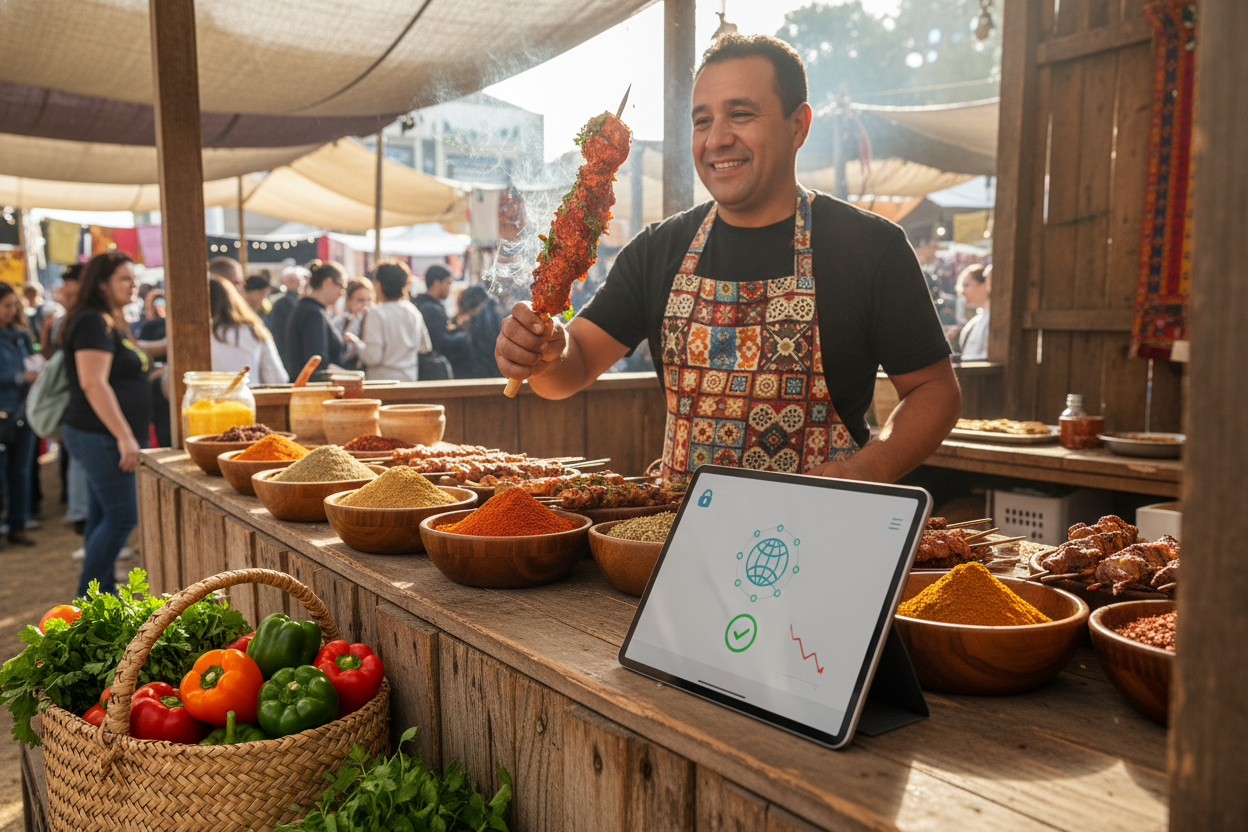
In the intricate web of global trade, where businesses exchange goods and services across continents, the payment process often feels like navigating a bureaucratic labyrinth. Delays stretch into days or weeks, fees erode margins, and trust hangs by the thread of distant banking relationships. Yet, a quiet revolution is underway with stablecoin multi-sig escrow for cross-border B2B invoicing, promising instant settlements and slashing fees by up to 90%. As someone who's watched crypto and bonds evolve over seven years, I see this not as a flash in the pan, but a fundamental shift toward sustainable efficiency in international commerce.
Unpacking the Drains on Traditional B2B Payments
Consider a typical scenario: a U. S. manufacturer invoices a supplier in Southeast Asia for $500,000 in components. Traditional wires or SWIFT transfers trigger a cascade of intermediaries - correspondent banks, clearing houses, and currency converters. Settlement times balloon to 2-5 business days, sometimes longer during holidays or volatility spikes. Fees compound at 3-5% per transaction, plus hidden FX spreads that can push effective costs higher. For frequent traders, these frictions compound into millions lost annually, squeezing cash flow and forcing conservative net terms that stifle growth.
Blockchain data underscores the scale: global B2B cross-border payments exceed $150 trillion yearly, yet inefficiencies persist because legacy systems prioritize compliance over speed. Stablecoins disrupt this by pegging value to fiat like the USD, enabling 24/7 transfers without borders or banks. Platforms leveraging stablecoin escrow B2B models eliminate these pain points, routing funds peer-to-peer on rails like Ethereum or Solana.
Traditional Banking vs. Stablecoin Multi-Sig Escrow
| Aspect | Traditional Banking | Stablecoin Multi-Sig Escrow |
|---|---|---|
| Settlement Time | 🐌 2-5 days | ⚡ Seconds |
| Fees | 💸 3-5% | 💰 <0.5% (90% cut) |
| Availability | ⏰ Business hours | 🌍 24/7 |
| Intermediaries | 🔗 Multiple | 🚫 None |
These metrics aren't theoretical. Sources like Guaranty Escrow highlight direct transactions cutting intermediary costs, while Web3 Enabler reports B2B payments shrinking from days to minutes, with fees dropping from 3-7%.
The Mechanics of Multi-Sig Security in Stablecoin Escrow
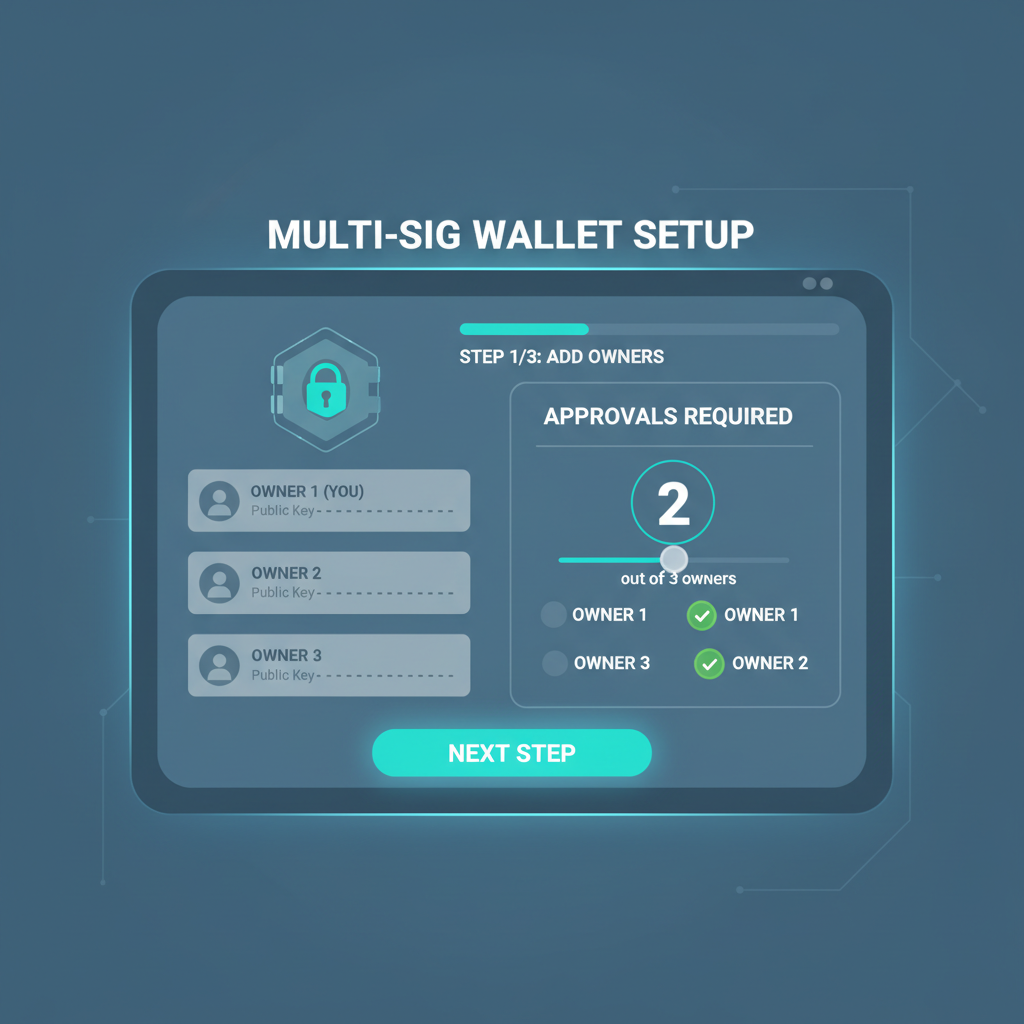
At the heart of this transformation lies multi-signature (multi-sig) technology, a cryptographic safeguard requiring approvals from multiple parties before funds release. In multi-sig escrow international payments, a smart contract holds stablecoins - say USDC or USDT - until conditions like proof of delivery or invoice milestones are met. Buyer, seller, and a neutral arbiter each hold keys; no single point of failure means fraud risks plummet.
This isn't just tech jargon; it's practical resilience. Traditional escrows rely on trusted third parties with manual oversight, prone to errors or disputes. Multi-sig offers programmable trust: funds lock instantly upon invoice creation, release automatically on verification, or escalate to arbitration seamlessly. Damisa's orchestration exemplifies this, routing payments via liquid paths for suppliers to receive full value without slippage.
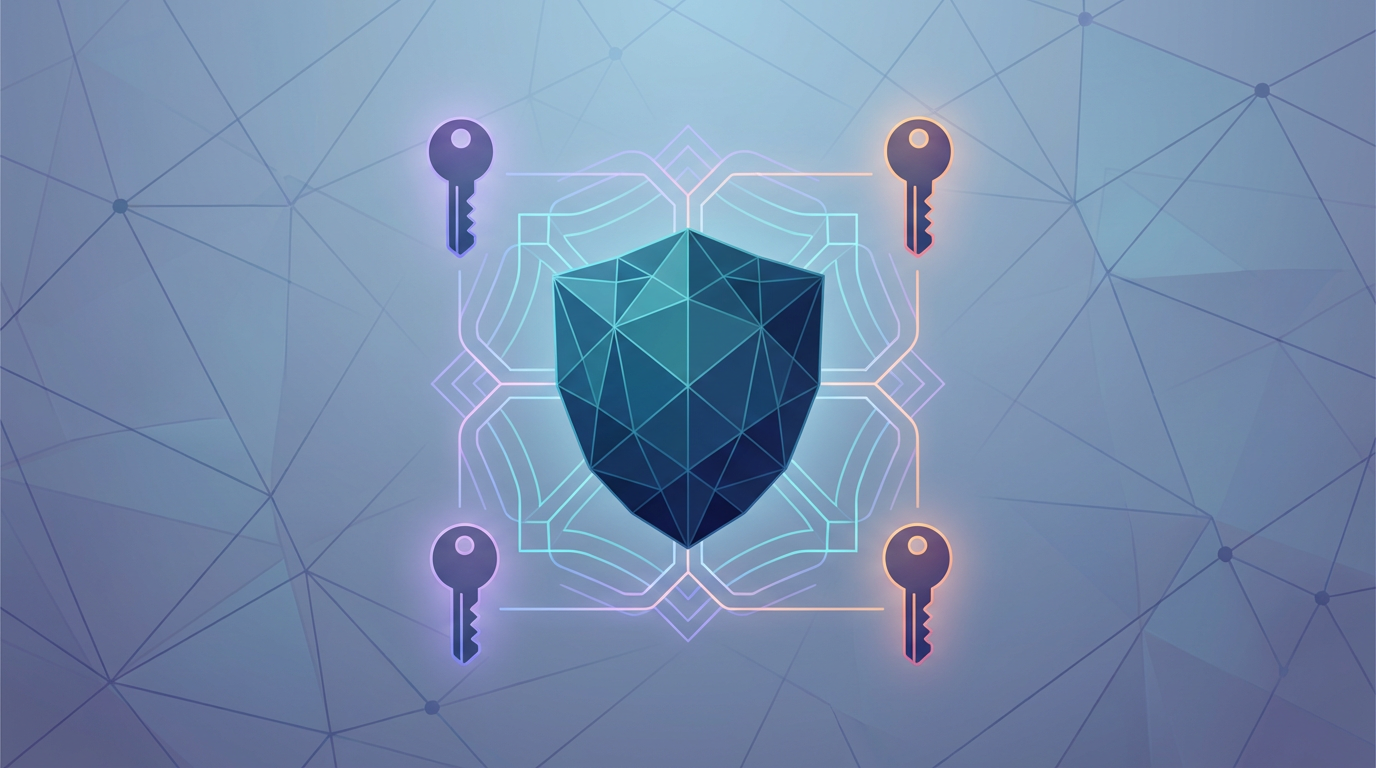
For long-term investors like myself, this appeals because it aligns incentives. Businesses gain transparency via blockchain explorers, auditing every step without paperwork floods. No chargebacks, no reversals - finality that banks envy.
Instant Settlements Fueling Cash Flow Velocity
Speed defines competitive edges in global trade. Stablecoin B2B payments settle in seconds, closing the revenue gap that plagues 3-5 day waits. Lightspark notes no FX fees or intermediaries; RebelFi cites 98% cost reductions in case studies. Imagine extending net-60 terms confidently, knowing escrow protects both sides.
Platforms like StableInvoiceB2B. com embody this, tailoring multi-sig for enterprises with flexible terms and compliance baked in. Finance teams report boosted cash flow, reduced DSO, and venture into emerging markets without banking headaches.
Paystand's DeFi insights reinforce: near-instant settlements solve real B2B woes, from Africa trade corridors to EU-Asia supply chains. As adoption grows, expect escrow for global trade invoices to become standard, fostering deeper partnerships over fleeting deals.
Yet this shift demands more than enthusiasm; it requires thoughtful integration into existing workflows. Enterprises aren't abandoning ERP systems overnight, but layering stablecoin rails atop them unlocks hybrid efficiency. Finance leaders I've spoken with emphasize starting small - pilot programs for high-volume suppliers - scaling as compliance teams verify multi-sig protocols against regs like MiCA or upcoming U. S. frameworks. This measured approach mirrors my bond investing philosophy: build resilience before chasing yield.
Real-World Wins: Case Studies in Action
Guaranty Escrow's model shows direct peer-to-peer flows slashing intermediary drags, while Phoenix Strategy Group details how blockchain interoperability closes cash gaps in minutes. Take a mid-sized EU importer sourcing electronics from Vietnam: traditional payments chewed 4% in fees and tied up capital for 72 hours. Switching to stablecoin B2B payments via multi-sig escrow dropped that to under 0.3%, with funds verifiable on-chain. Suppliers, often in underbanked regions, convert to local currency instantly, boosting loyalty.
RebelFi's guide spotlights 98% FX fee cuts, backed by cases where African exporters received full USDC value without conversion losses. Eco. com notes e-commerce parallels, but B2B scales larger: think $10M quarterly invoices settled seamlessly. PaymentsJournal predicts stablecoins as B2B's future backbone, immediate and backed by reserves. PixelPlex adds that gateways now blend stablecoin with cards, offering merchants chargeback-proof finality.
Implement Stablecoin Multi-Sig Escrow: Secure, Instant Cross-Border B2B Invoicing

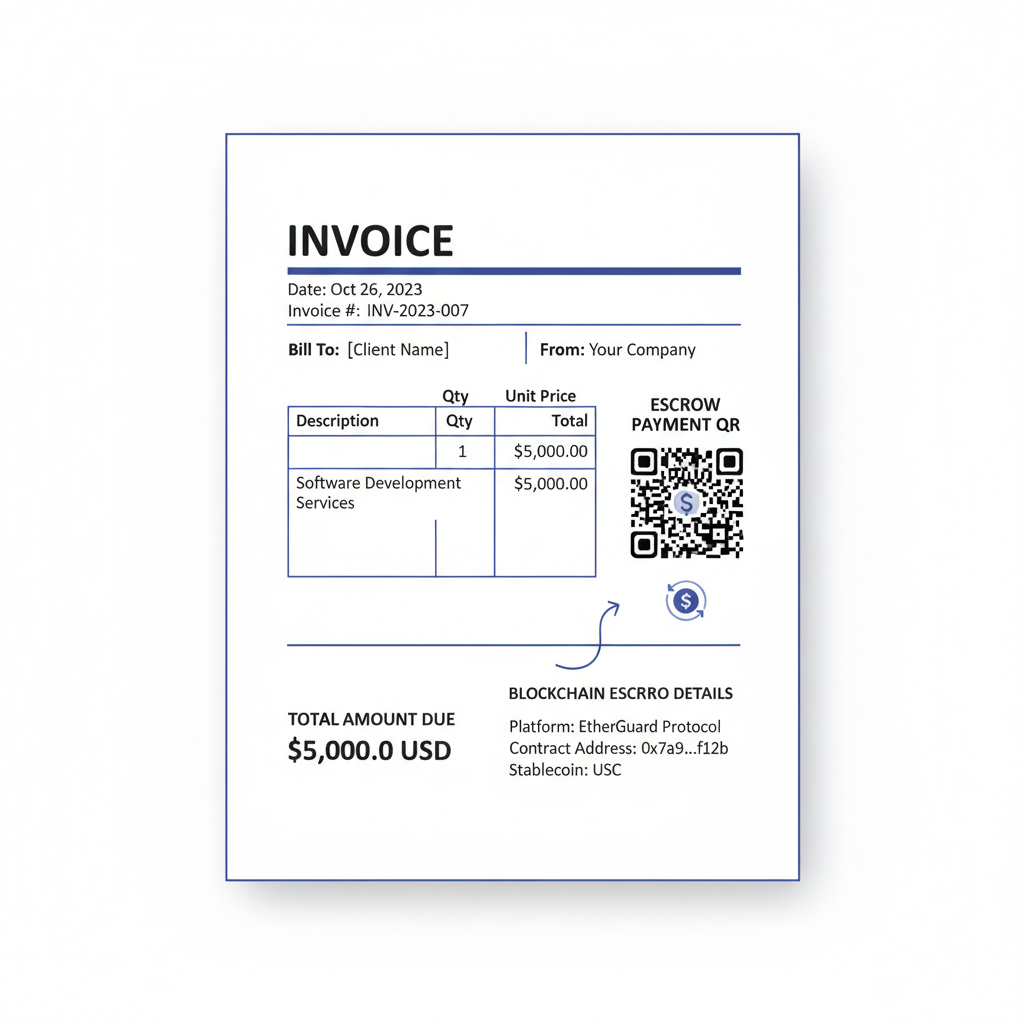
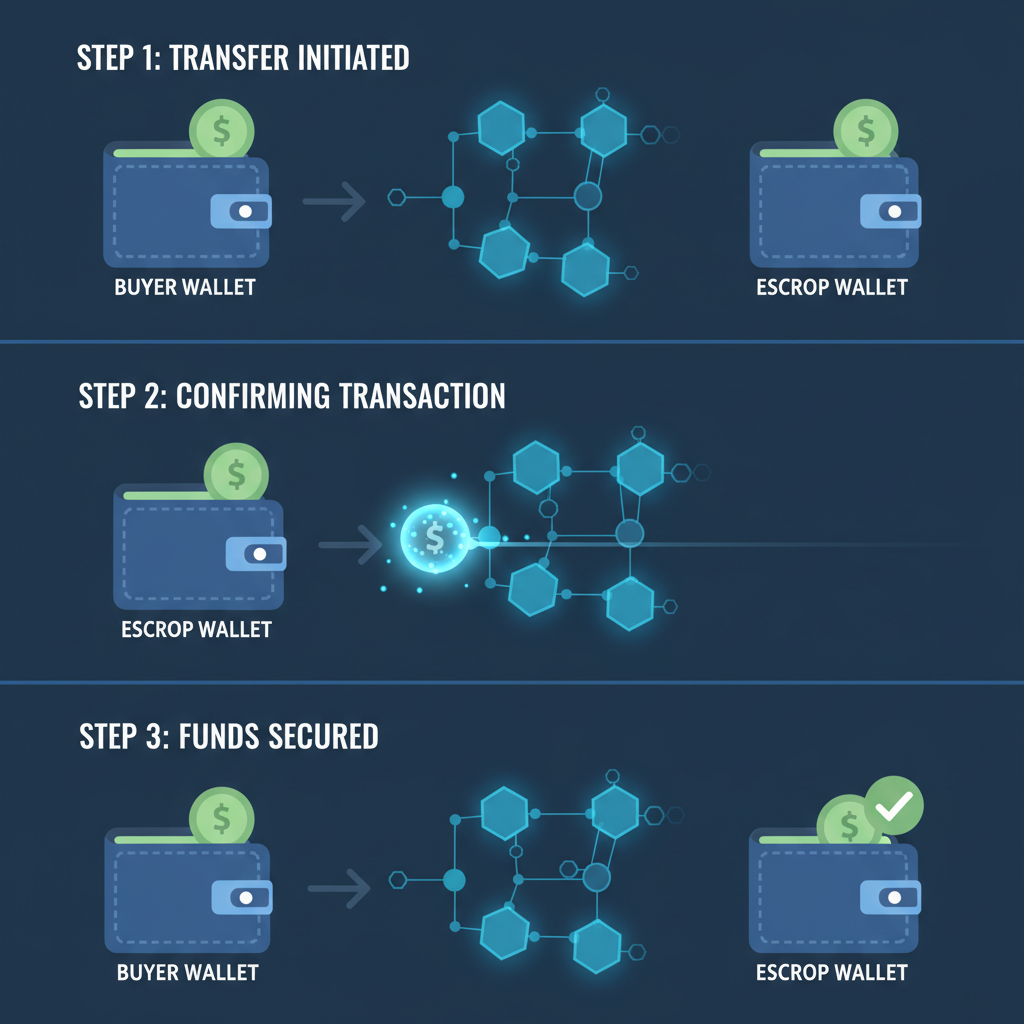
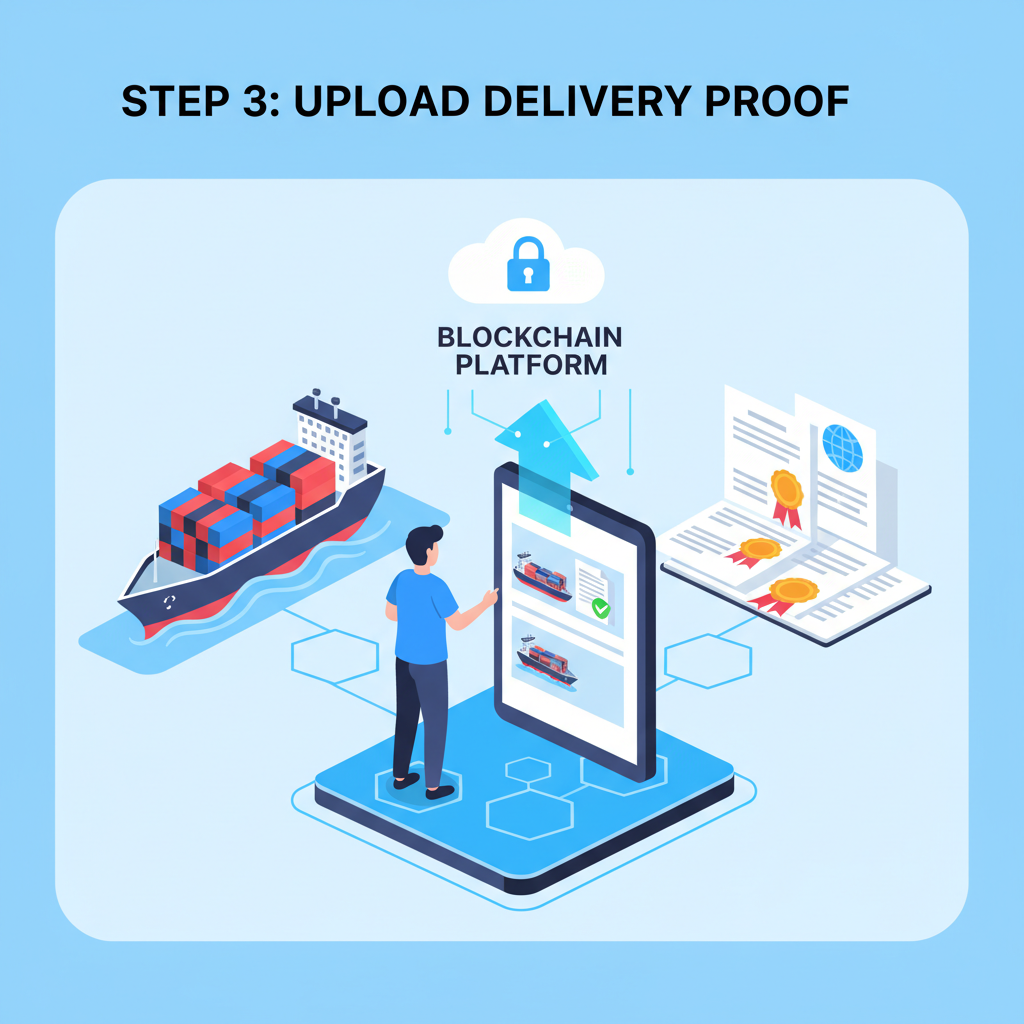

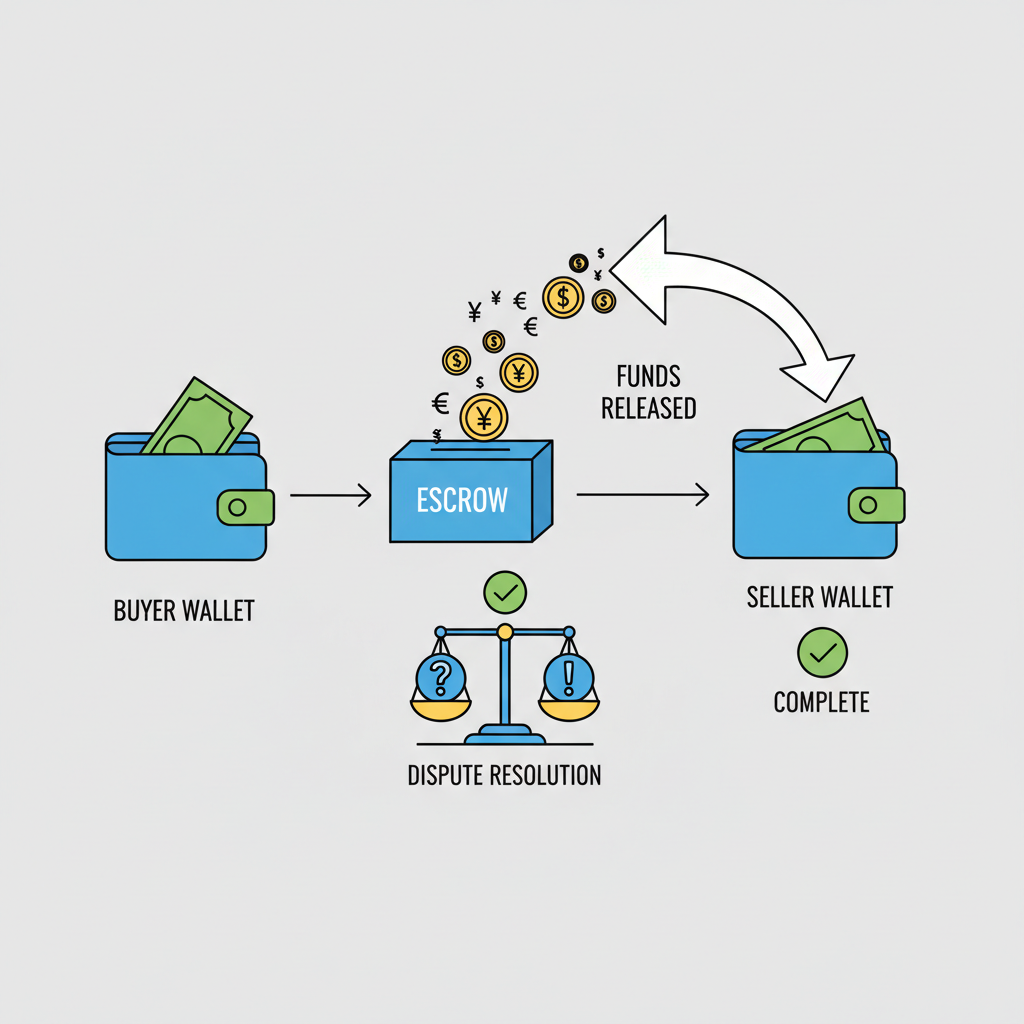
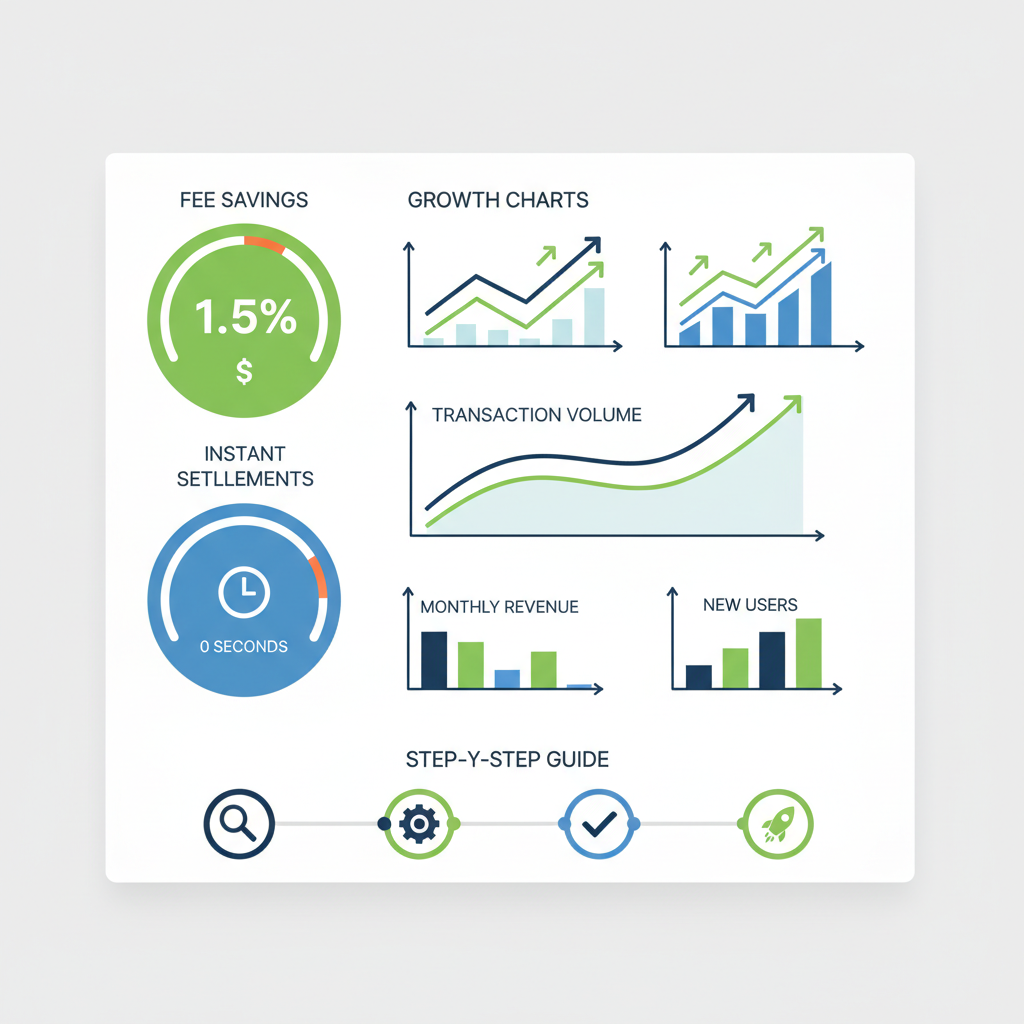
These aren't outliers. Stablecoininsider. org ranks processors transforming businesses with global reach, low fees, faster everything. For global trade pros, cross-border invoicing stablecoins mean negotiating from strength, not desperation.
Navigating Risks with Long-Term Vigilance
No innovation lacks hurdles. Volatility scares linger, though stablecoins' pegs - audited reserves at 100% and - outperform fiat in turbulent markets. Regulatory flux? Platforms prioritize KYC/AML, with multi-sig adding dispute layers beyond smart contracts. I've seen bonds weather storms via diversification; here, blend stablecoins with hedges like on-chain treasuries.
Counterparty risk fades under escrow: funds sit neutral until milestones hit. Paystand's DeFi use cases tackle B2B pain head-on, proving near-instant over 3-5 day norms. The key? Partner with compliant providers like StableInvoiceB2B. com, whose multi-sig tailors to enterprise needs - net terms, automated releases, full audit trails.
Stablecoin Price Stability Comparison for Cross-Border B2B Payments
6-Month Performance of USDC and Peer Stablecoins vs. BTC and ETH, Demonstrating Peg Stability for Instant Settlements
| Asset | Current Price | 6 Months Ago | Price Change |
|---|---|---|---|
| USD Coin (USDC) | $1.00 | $1.00 | +0.0% |
| Tether (USDT) | $1.00 | $1.00 | +0.0% |
| Dai (DAI) | $1.00 | $1.00 | +0.0% |
| Binance USD (BUSD) | $0.9996 | $1.00 | -0.0% |
| TrueUSD (TUSD) | $0.9984 | $1.00 | -0.2% |
| Gemini USD (GUSD) | $0.9986 | $1.00 | -0.1% |
| Bitcoin (BTC) | $70,284.00 | $65,000.00 | +8.1% |
| Ethereum (ETH) | $2,105.83 | $2,000.00 | +5.3% |
Analysis Summary
Over the past six months, core stablecoins like USDC, USDT, and DAI have maintained perfect $1.00 pegs with 0.0% change, while others show minimal deviations (BUSD -0.0%, TUSD -0.2%, GUSD -0.1%). BTC and ETH gained 8.1% and 5.3%, highlighting stablecoins' reliability for fee-efficient, instant B2B cross-border invoicing versus traditional SWIFT delays and 3-5% costs.
Key Insights
- USDC, USDT, and DAI exhibit zero price change, ensuring value stability for escrow-based payments.
- BUSD, TUSD, and GUSD remain tightly pegged with deviations under 0.2%, supporting 90% fee reductions vs. wires.
- BTC (+8.1%) and ETH (+5.3%) show volatility, contrasting stablecoins' suitability for 24/7 instant settlements.
- Stablecoin peg maintenance enables secure multi-sig escrow, eliminating FX fees and 2-5 day delays in B2B invoicing.
Data sourced exclusively from provided real-time CoinGecko historical snapshots (USDC as of 2026-02-08T10:15:11Z from 2025-08-12; others aligned). Prices formatted as given; changes calculated over exactly 6 months.
Data Sources:
- Main Asset: https://www.coingecko.com/en/coins/usd-coin/historical_data
- Tether: https://www.coingecko.com/en/coins/tether/historical_data
- Dai: https://www.coingecko.com/en/coins/dai/historical_data
- Binance USD: https://www.coingecko.com/en/coins/binance-usd/historical_data
- TrueUSD: https://www.coingecko.com/en/coins/trueusd/historical_data
- Gemini USD: https://www.coingecko.com/en/coins/gemini-dollar/historical_data
- Bitcoin: https://www.coingecko.com/en/coins/bitcoin/historical_data
- Ethereum: https://www.coingecko.com/en/coins/ethereum/historical_data
Disclaimer: Cryptocurrency prices are highly volatile and subject to market fluctuations. The data presented is for informational purposes only and should not be considered as investment advice. Always do your own research before making investment decisions.
This comparison reveals the chasm: banks at $30-50 flat plus percentages, stablecoins pennies per tx, seconds vs days. Over a year, for $50M volume, savings compound to seven figures, reinvested in growth.
A Sustainable Horizon for Global Trade
Looking out seven years as I do, stablecoin escrow B2B evolves into the default for international invoicing. Interoperability bridges chains, AI verifies deliveries via oracles, and central banks test CBDC hybrids. Businesses embracing now position for dominance, turning payments from cost center to accelerator.
StableInvoiceB2B. com stands ready, fusing escrow security with invoicing smarts. It's not hype; it's the patient play in cross-border finance, where efficiency begets enduring partnerships. Trade flows smoother, risks recede, prosperity compounds. Patience, indeed, pays.



No comments yet. Be the first to share your thoughts!