
In the intricate web of US-EU supply chains, where precision timing can make or break profitability, traditional invoicing methods often introduce friction that erodes margins. Businesses grappling with cross-border supply chain payments face delays from correspondent banking, volatile FX rates, and fees that can exceed 5% per transaction. Stablecoin B2B escrow emerges as a prudent alternative, leveraging blockchain's immutability to secure funds in multi-signature vaults until conditions like delivery confirmations are met. At StableInvoiceB2B. com, we prioritize frameworks that balance efficiency with ironclad risk controls, ensuring enterprises navigate this shift without exposing themselves to undue volatility.

Navigating Delays and Costs in US-EU B2B Invoices
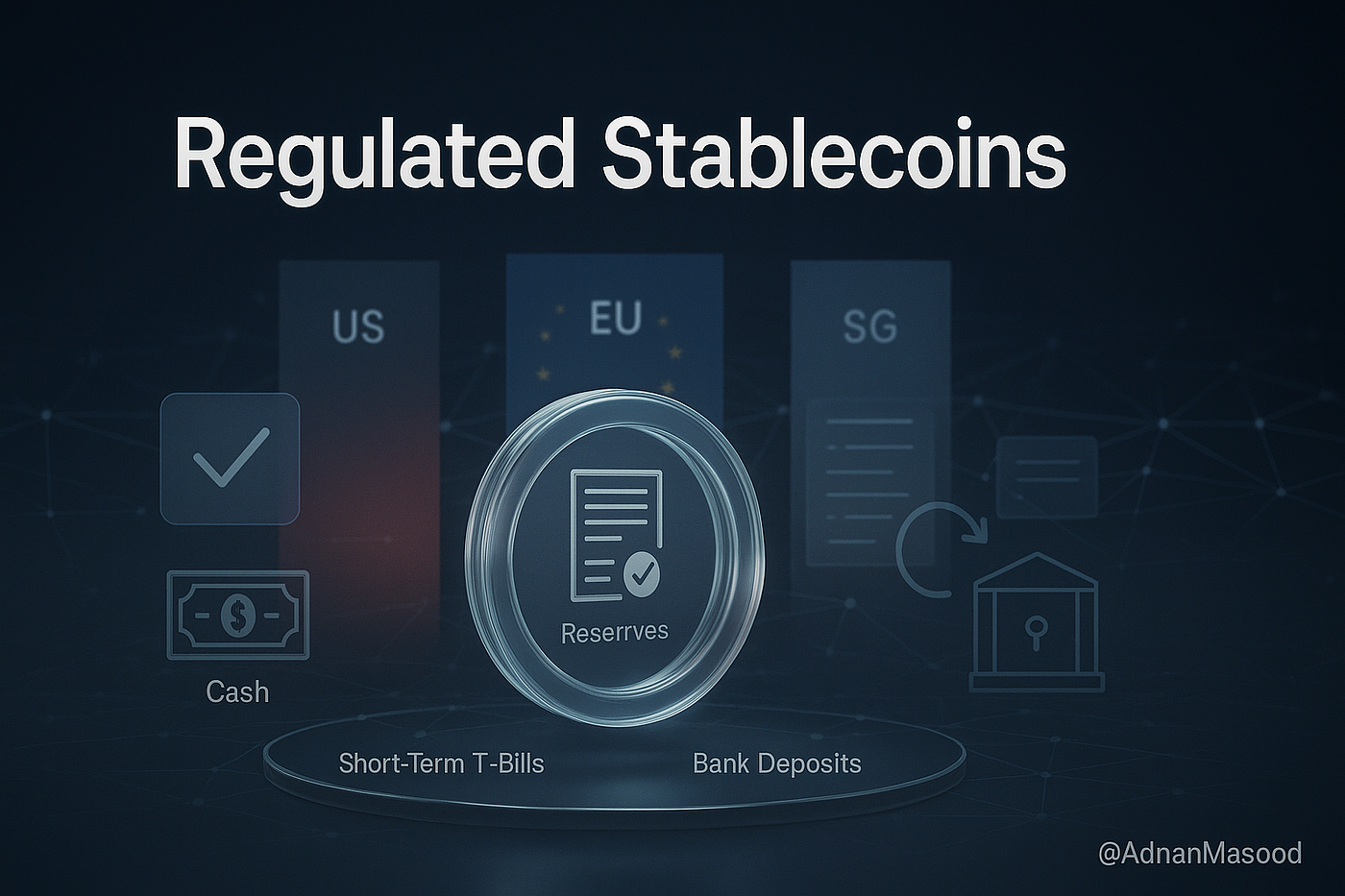
Consider a typical scenario: a German manufacturer ships precision components to a U. S. assembler. Under legacy systems, the invoice might languish for 30-60 days in SWIFT networks, accruing interest costs and tying up capital. Deutsche Bank Research highlights how B2B payments remain cumbersome, with stablecoins offering near-instant alternatives that bypass these hurdles. Yet, enthusiasm must temper with caution; not all stablecoins are equal. Reserve-backed options like USDC and EURC, compliant under frameworks such as the EU's MiCA regulation, provide the stability enterprises demand.
Stripe's analysis underscores the cost benefits alongside risks: while fees plummet to under 1%, smart contract vulnerabilities or issuer insolvency pose threats. My 14 years in risk management counsel a low-medium risk tolerance here, favoring platforms with audited multi-sig escrow over simplistic transfers. StableInvoiceB2B. com embodies this by integrating net terms flexibility with instant settlements, shielding deals from FX swings that could otherwise amplify a 2% EUR-USD fluctuation into substantial losses.

Enhancing Security Through Multi-Sig Escrow Mechanisms
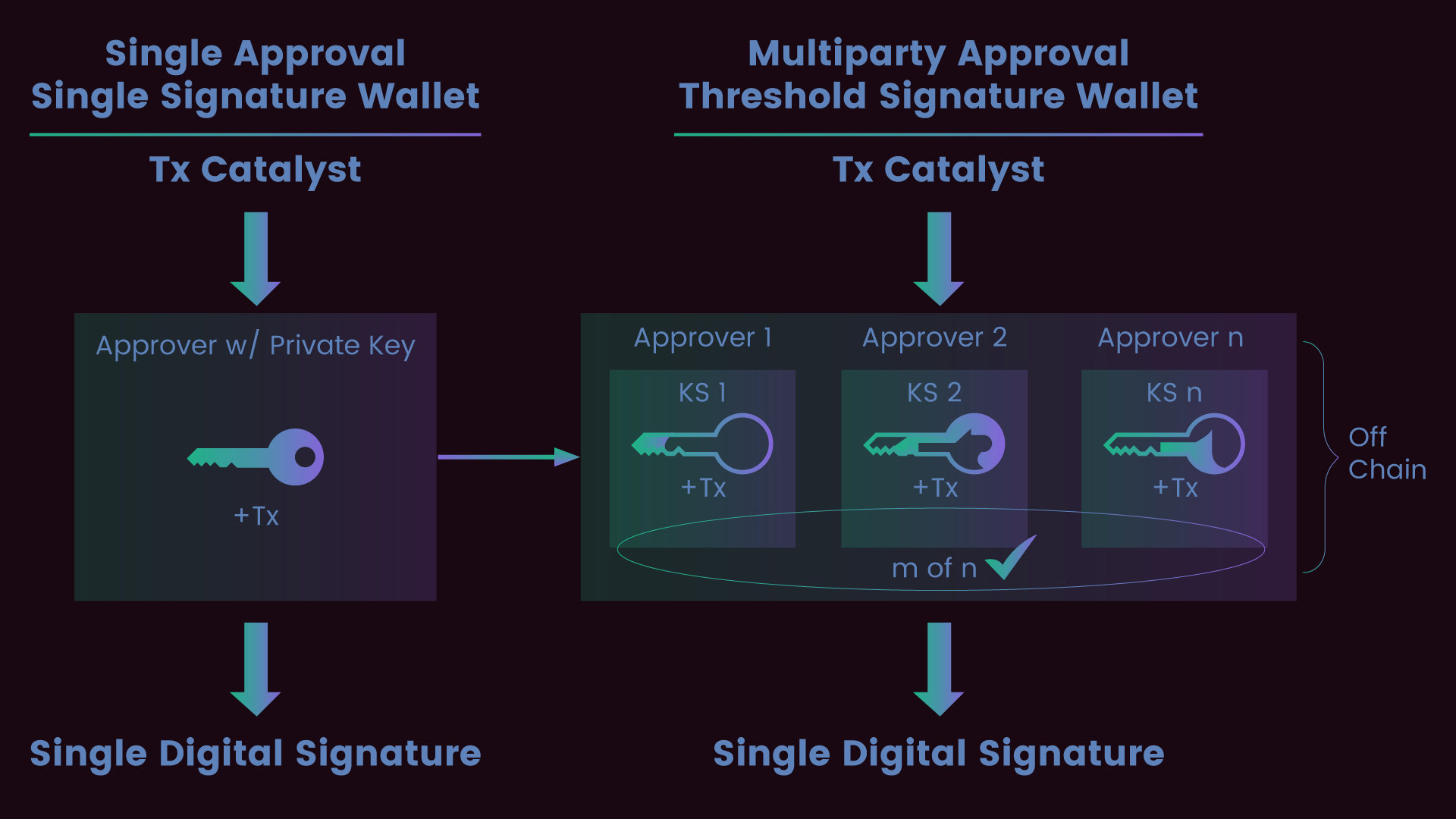
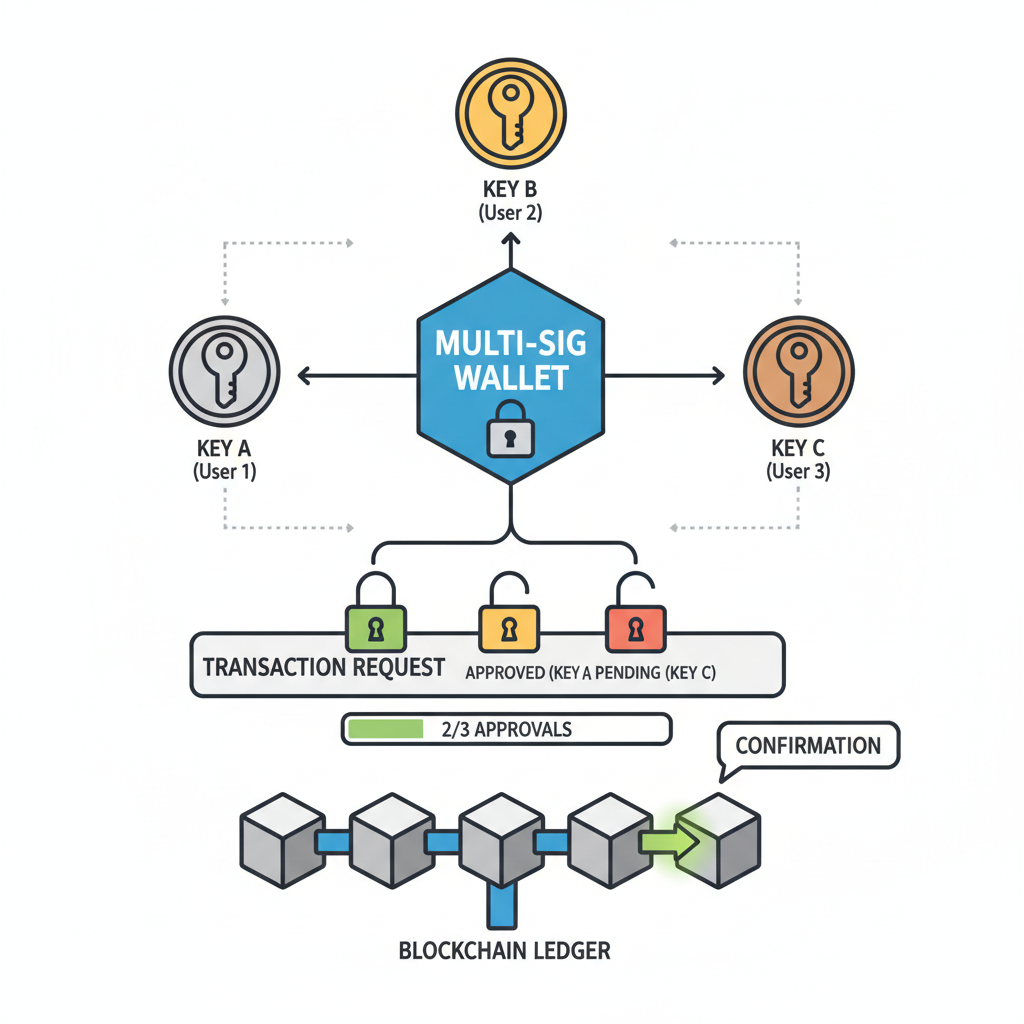
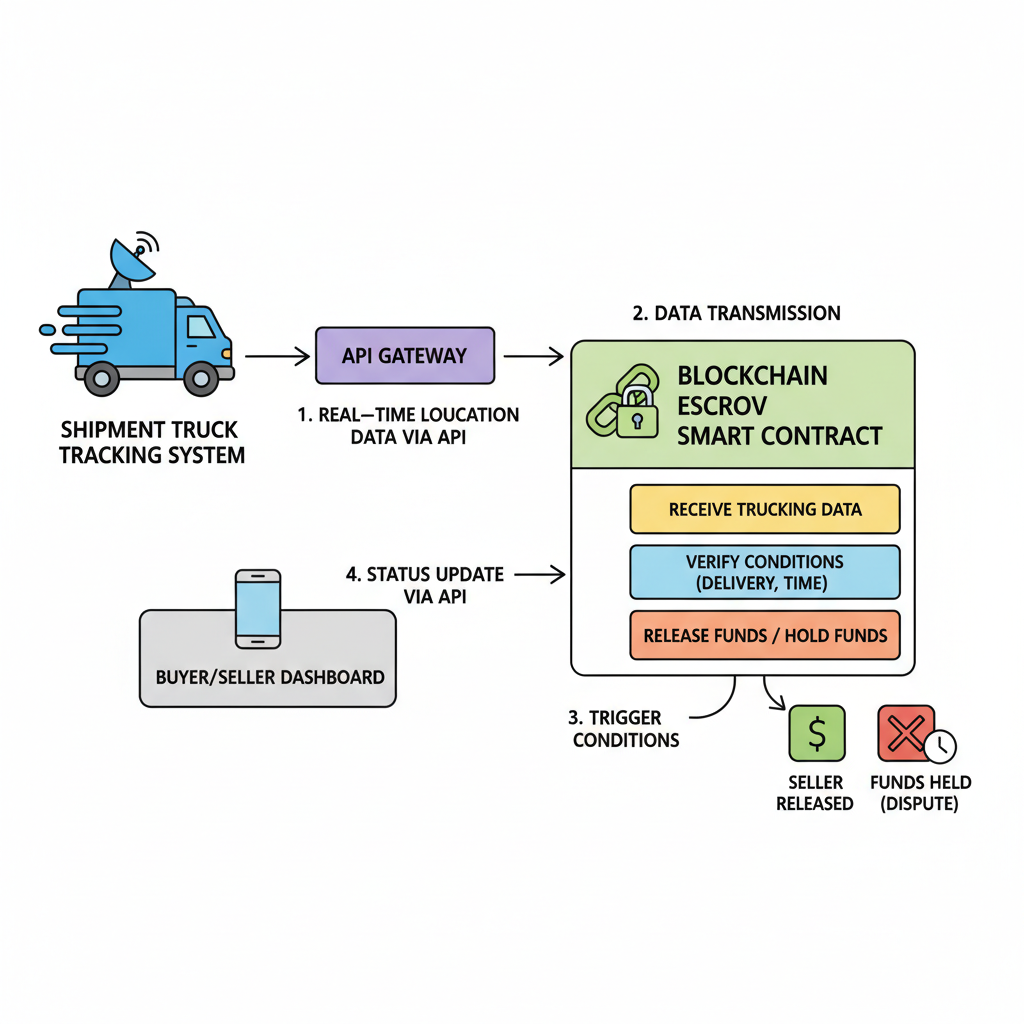
Escrow isn't novel, but stablecoin variants revolutionize it for US EU B2B invoices. Platforms like those inspired by PayKeeper deploy multi-signature protocols, requiring consensus from buyer, seller, and neutral arbitrators before release. This mitigates supplier risk, as noted by FinchTrade, where real-time shipment tracking triggers automated payouts. Web3 Enabler reports how such services simplify and secure transactions, yet I advise scrutiny of custody solutions; enterprise-grade implementations, per Cobo's 2025 guide, demand segregated wallets and GENIUS Act alignment for U. S. operations.
Key Stablecoin Escrow Advantages
- Instant settlements reduce DSO by up to 80%, enabling faster cash flow in US-EU supply chains.

- Multi-sig protection against fraud, as offered by platforms like PayKeeper.
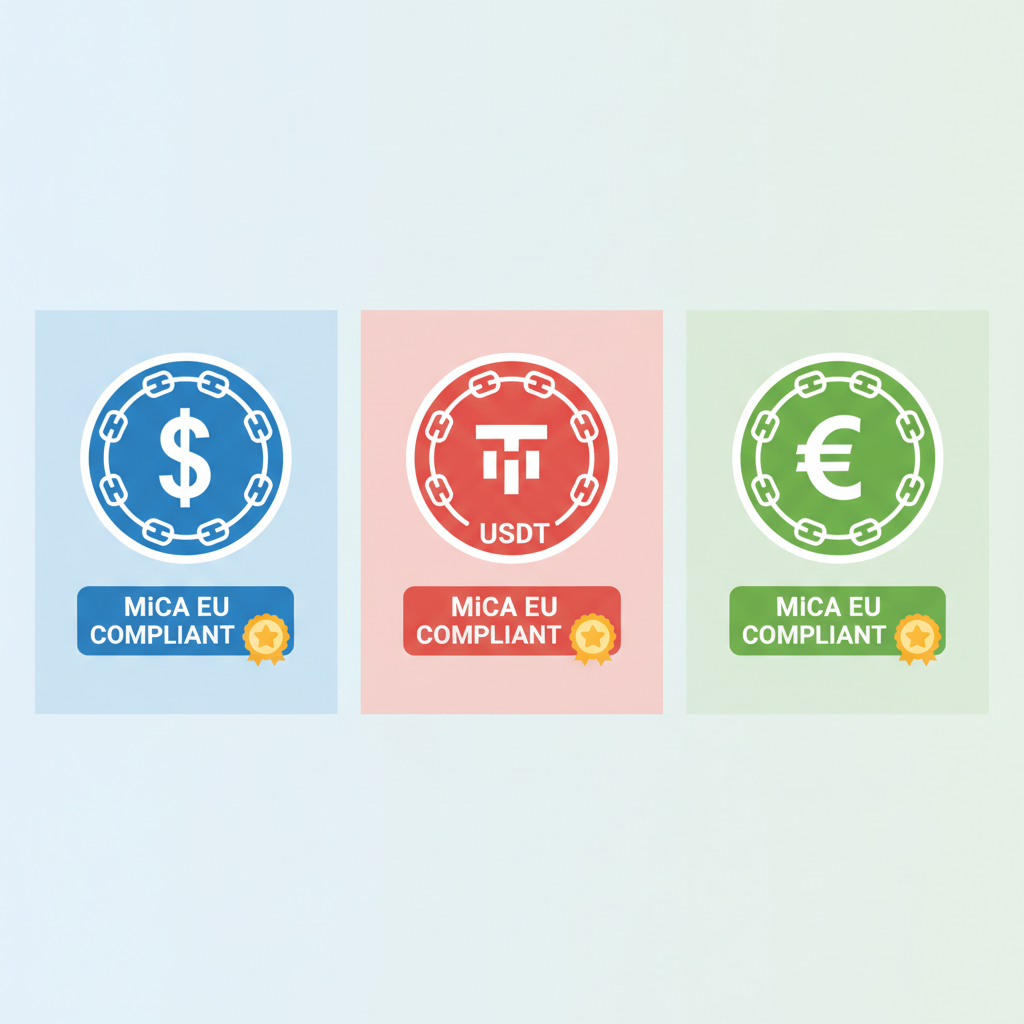
- MiCA-compliant stablecoins like USDC, USDT, and EURC minimize regulatory exposure.

- Yield generation on held funds up to 6-9%, enhancing returns during escrow.
- Transparent audit trails for seamless compliance audits via blockchain.

Lightspark's insights on stablecoin invoicing reveal boosted cash flow, with blockchain enabling 24/7 operations unbound by banking hours. For global trade professionals, this means suppliers in Lyon receive EURC equivalents within minutes of U. S. customs clearance, not weeks. However, integration demands diligence: assess KYC/AML protocols to avoid RebelFi-style marketplace pitfalls scaled to B2B volumes.
Real-World Applications in Supply Chain Finance
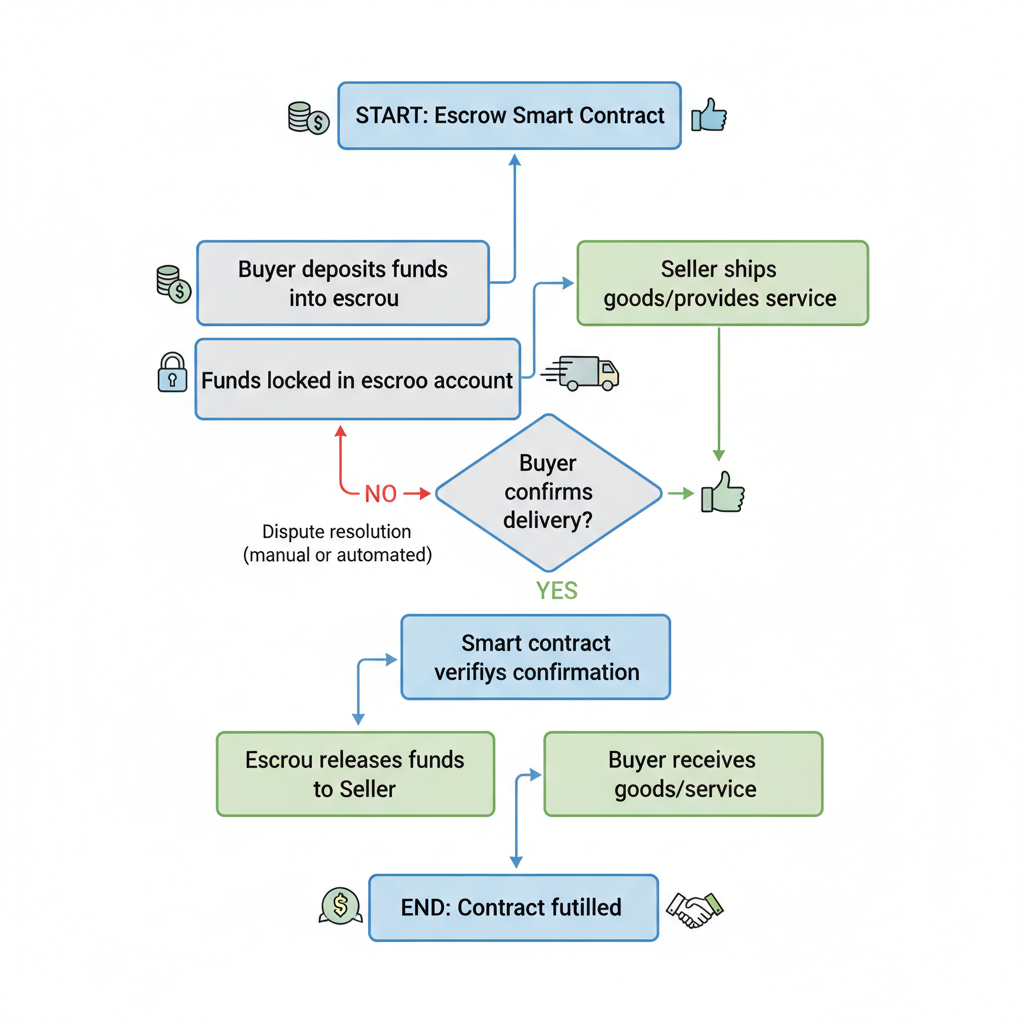
Speed's exploration of stablecoins in supply chain finance points to novel invoice financing, where escrowed funds serve as collateral for early supplier payments. Trustless Work's escrow-native flows automate this, fostering trust without letters of credit. In practice, a U. S. retailer escrows USDT for EU apparel imports; upon blockchain-verified delivery, funds release seamlessly. WCT Pay's crypto invoicing model further accelerates collections, converting to fiat as needed. Opinionated take: while transformative, businesses must model worst-case depegging scenarios, maintaining hedges per FRM best practices.
BlockEden. xyz envisions smart contracts replicating traditional escrow logic, releasing stablecoins on milestones like bill of lading endorsements. This precision suits volatile markets, where Erik Wilgenhof Plante identifies B2B use cases from raw materials to finished goods. At StableInvoiceB2B. com, our hybrid frameworks ensure compliance first, speed second, positioning enterprises to capture these efficiencies without courting unnecessary risks.
Deutsche Bank's research on the stablecoin plateau signals a shift from disruption to integration, where B2B payments evolve through programmable money. Yet, this integration demands rigorous vetting; unchecked adoption risks amplifying counterparty exposures in interconnected supply chains.
Risk Mitigation Strategies for Stablecoin Escrow
Foremost among concerns are depegging events and custody failures, as Stripe delineates in its B2B stablecoin guide. Enterprises must prioritize issuers with proven reserves, like Circle's USDC under MiCA scrutiny, over opaque alternatives. My frameworks at StableInvoiceB2B. com incorporate circuit breakers, halting releases if peg deviations exceed 0.5%, alongside diversified custody across institutional providers. This cautious layering reduces tail risks, preserving the stablecoin escrow supply chain integrity that global traders rely on.
Cobo's enterprise guide stresses regulatory alignment; U. S. firms navigate GENIUS Act proposals while EU counterparts leverage MiCA for EURC usage. Opinion: rush into non-compliant tools invites audits and freezes, eroding the very cash flow gains promised. Instead, opt for platforms with embedded KYC flows and real-time compliance dashboards, ensuring seamless cross-border supply chain payments.
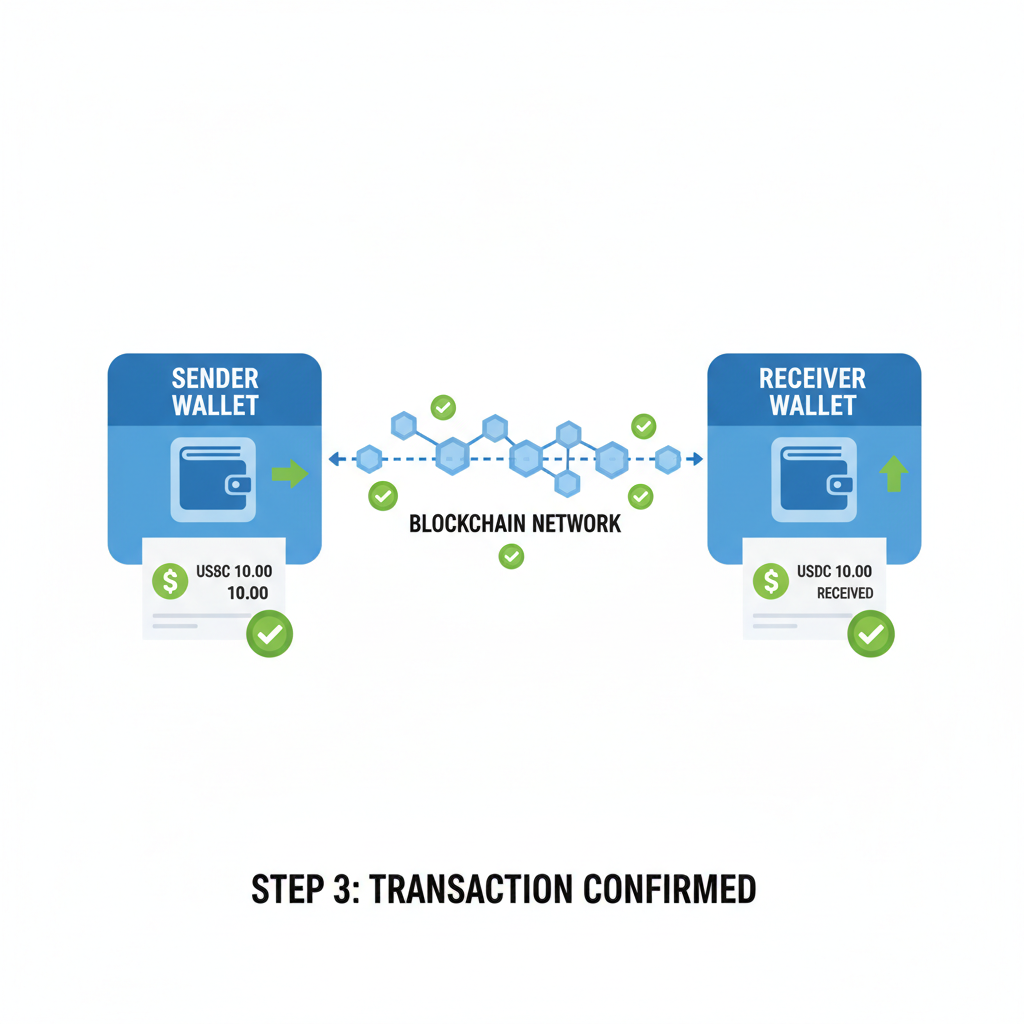
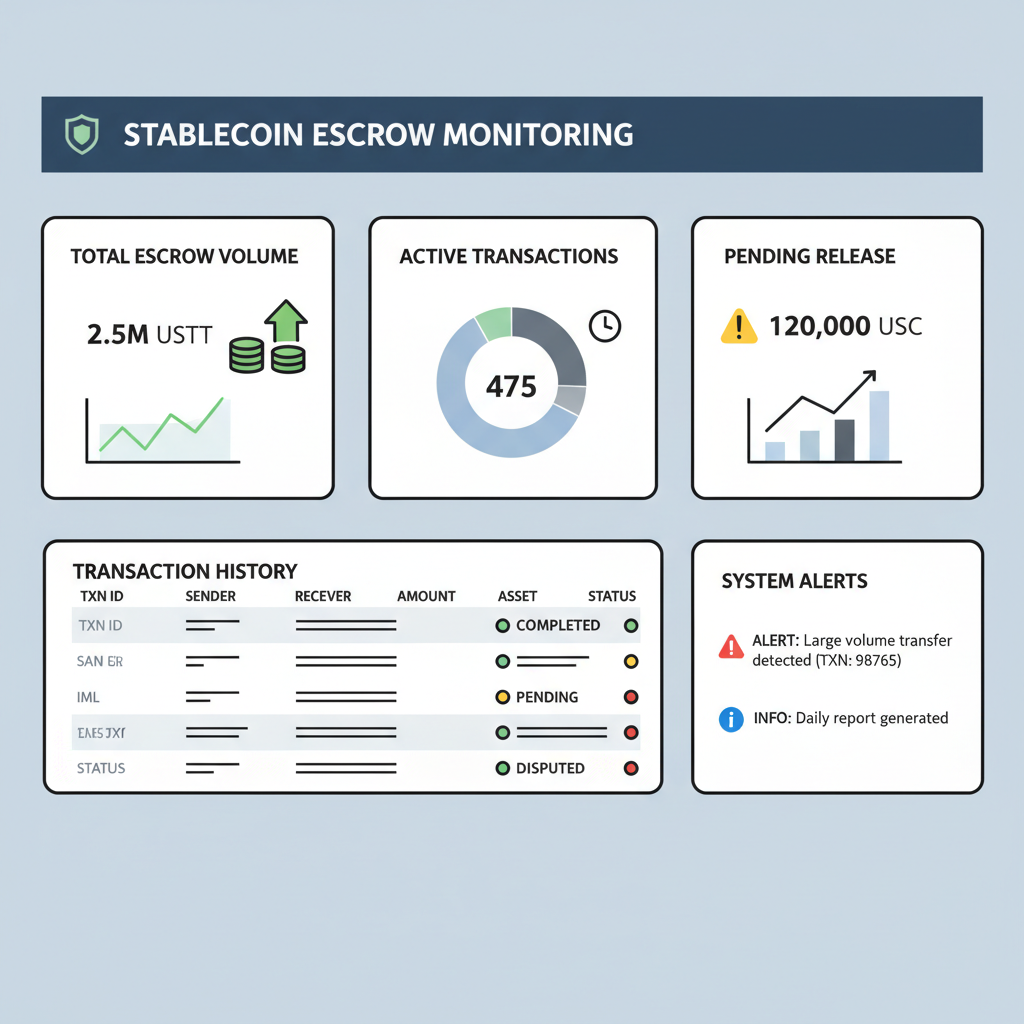
Streamline US-EU Invoices: 6-Step Stablecoin B2B Escrow Guide
Comparative Advantages in Action
RebelFi's marketplace insights extend to B2B, where escrow yields 6-9% on idle funds outpace bank rates. FinchTrade's smart escrow pairs this with supplier risk dashboards, automating alerts on delays. For US-EU flows, this translates to DSO reductions from 45 days to under 24 hours, per Speed's supply chain analysis. At StableInvoiceB2B. com, we quantify this: a $1M invoice shaves $15K in FX losses alone, assuming a 1.5% swing.
| Metric | Traditional Banking | Stablecoin Escrow |
|---|---|---|
| Settlement Time | 3-7 days | and lt;1 hour |
| Fees | 3-7% | and lt;0.5% |
| FX Risk Exposure | High | Low (pegged assets) |
| Security | Centralized ledgers | Multi-sig and blockchain |
| Yield on Funds | 0-2% | 4-9% |
This table illustrates the pivot point; traditional methods suit low-volume trades, but scaling demands stablecoin resilience. Erik Wilgenhof Plante's LinkedIn analysis echoes this, spotlighting use cases from automotive parts to pharmaceuticals, where transparency trumps opacity.
BlockEden's vision of milestone-triggered releases via smart contracts aligns with our hybrid models, blending on-chain automation with off-chain verifications. PayKeeper's workflows, Trustless Work's trade flows, and WCT Pay's invoicing converge here, yet differentiation lies in risk calibration. Enterprises adopting piecemeal solutions face fragmentation; unified platforms like StableInvoiceB2B. com deliver end-to-end orchestration.
Charting the Path Forward
As 2026 unfolds, stablecoin B2B escrow solidifies as the backbone for US EU B2B invoices. Web3 Enabler's boost to transactions underscores simplification, but sustainability hinges on audited rails and adaptive governance. My counsel: pilot with 10% of volume, monitor peg stability quarterly, and hedge residuals. This measured ascent unlocks efficiencies without the pitfalls that ensnare the unwary.
Suppliers gain predictable inflows, buyers enforce quality gates, and financiers unlock dynamic trade assets. StableInvoiceB2B. com stands ready with tools forged in FRM discipline, turning stablecoin escrow supply chain potential into protected performance. Global trade professionals, the ledger awaits your prudent entry.




No comments yet. Be the first to share your thoughts!