

In the high-stakes arena of cross-border B2B trade, suppliers often grapple with prolonged payment cycles that strangle cash flow. Traditional invoicing relies on sluggish banking networks, where funds can languish for days or weeks amid correspondent bank chains and currency conversions. Enter stablecoin invoicing, a transformative approach that accelerates settlements to minutes, slashes fees, and unlocks liquidity precisely when suppliers need it most. Platforms like StableInvoiceB2B. com exemplify this shift, leveraging multi-sig escrow to safeguard transactions while enabling instant stablecoin payouts.
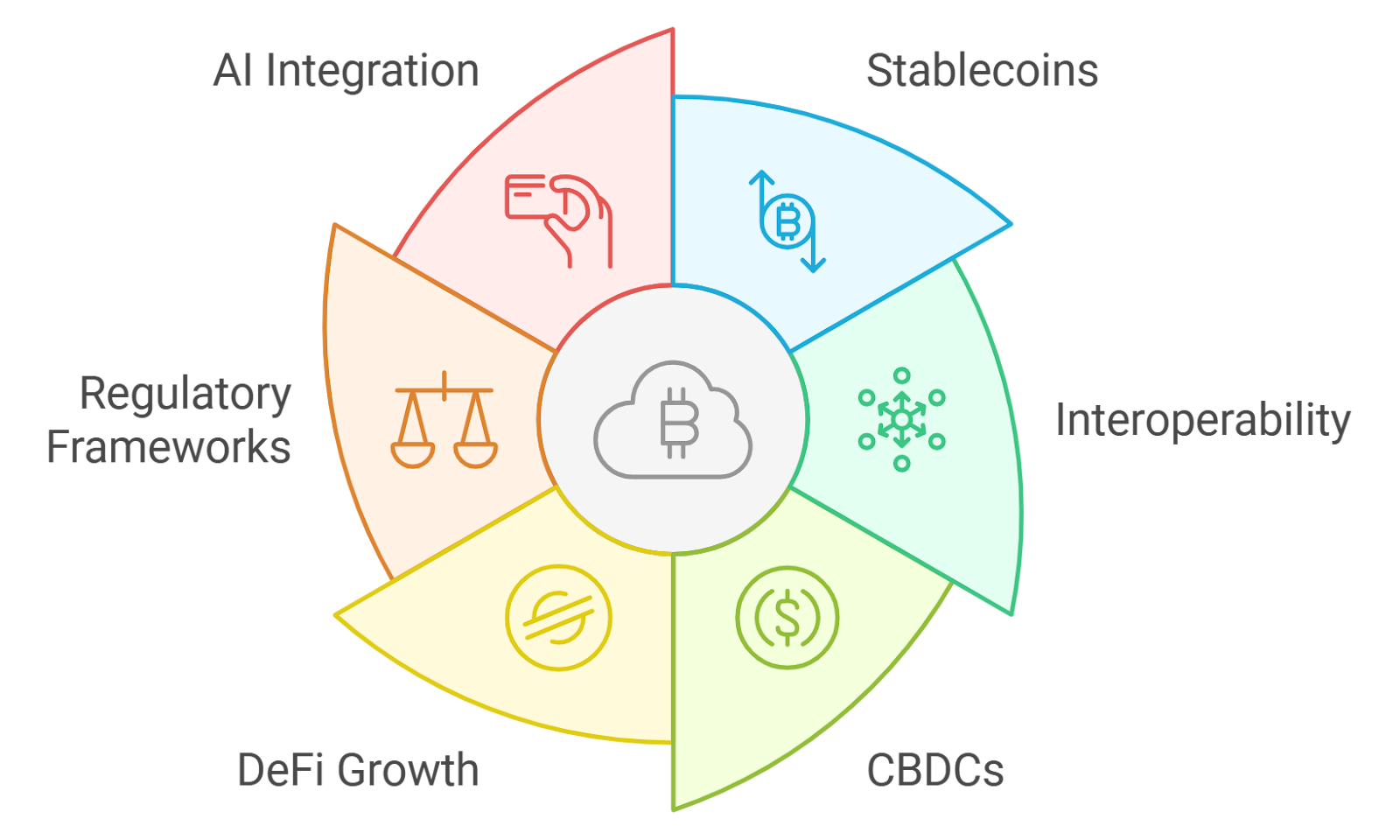
This innovation directly addresses the stablecoin cash flow B2B bottleneck. Suppliers in emerging markets, facing volatile local currencies and high remittance costs, stand to gain disproportionately. By invoicing in stablecoins pegged to the dollar, they bypass FX volatility and intermediary drags, ensuring predictable revenue streams.
Traditional Cross-Border Payments: A Liquidity Trap
Consider a typical scenario: a manufacturer in Vietnam ships electronics to a U. S. buyer. The invoice terms might stipulate net 30 days, but SWIFT transfers introduce additional delays. Correspondent banks deduct fees at each hop, often totaling 3-7% of the invoice value. Settlement times stretch from 3-5 business days on average, per industry reports from Stripe and Polygon Labs.
These delays compound into severe global trade cash flow pressures. Suppliers must finance operations through costly working capital loans, with interest rates in developing economies exceeding 10%. Counterparty risk looms large; if the buyer defaults post-shipment, recovery becomes a protracted legal battle across jurisdictions. Rain Cards highlights how such frictions demand both parties hold crypto for stablecoin alternatives, yet adoption lags due to unfamiliarity.
Moreover, reconciliation headaches plague accounting teams. Opaque tracking leads to disputes, further eroding trust in supplier-buyer relationships. Yellow Card notes that payment service providers (PSPs) using stablecoins enable 'just-in-time' payments, syncing disbursements with goods receipt and alleviating these pain points.
Stablecoin Invoicing: Instant Settlements, Immediate Impact
Stablecoin invoicing flips this script by settling transactions on blockchain rails. USDC or USDT transfers confirm in under 60 seconds on networks like Polygon, as detailed by Polygon Labs and TransFi. No intermediaries mean fees plummet to fractions of a percent, often under $1 per transaction regardless of amount.
For cross-border supplier payments, this translates to tangible cash flow boosts. Funds hit supplier wallets instantly upon escrow release, enabling rapid reinvestment in raw materials or labor. Bitwave dubs this the 'untapped AR superpower, ' multiplying working capital efficiency severalfold. Suppliers can offer competitive net terms without sacrificing liquidity, strengthening their negotiating power.
Bancoli and Nuvei emphasize integration into treasury systems, where stablecoins mesh seamlessly with ERP software. Real-time visibility via blockchain explorers simplifies audits, cutting admin time by up to 80%. Phoenix Strategy Group underscores interoperability's role in closing sales-to-revenue gaps, particularly in logistics where TransFi reports 24/7 settlements revolutionize supply chains.
Quantifying the Cash Flow Advantage for Suppliers
Let's break down the numbers. A supplier with $5 million in annual cross-border invoices facing 5-day average delays ties up roughly $685,000 in float (assuming 30-day terms). Shifting to stablecoins recovers this capital daily, per simplified DSO models. Cost savings alone, at 5% on volumes, yield $250,000 yearly.
Updated market insights affirm this trend: stablecoin invoicing enhances cash flow through faster settlements, reduced costs, and transparency, as seen in 2026 adoption surges. Suppliers report 20-30% improvements in days sales outstanding (DSO), per frameworks from Erin McCune on LinkedIn. This liquidity fuels growth, from scaling production to diversifying markets.
Yet, success hinges on robust platforms. Multi-sig escrow, as in StableInvoiceB2B. com, ensures funds release only on verified delivery, mitigating disputes. Legal recognition grows; stablecoins are increasingly treated as electronic money in jurisdictions like the EU and Singapore, bolstering B2B confidence.
Stripe's analysis on B2B stablecoin payments underscores the costs, risks, and benefits, revealing how these digital assets reshape working capital cycles. While volatility concerns persist for non-pegged assets, USD-backed stablecoins like USDC maintain parity, minimizing exposure. Legal recognition varies, but frameworks in key markets affirm their viability for cross-border B2B trade, reducing the specter of unenforceability.
Suppliers must navigate custody risks and regulatory shifts, yet multi-sig escrow platforms distribute control among buyer, supplier, and neutral arbitrators. This setup, core to escrow invoicing suppliers, enforces conditional releases tied to smart contracts or oracle-verified milestones, such as bill of lading confirmations. In volatile markets, this structure outperforms letters of credit, which tie up bank lines for months.
Real-World Cash Flow TransformationsCase Studies from the Frontlines
Take a Southeast Asian textile exporter servicing European retailers. Pre-stablecoin, 45-day terms meant bridging $2 million monthly gaps via high-interest factoring at 12% APR. Post-adoption via stablecoin invoicing, settlements averaged 15 minutes, slashing DSO by 25 days and unlocking $1.5 million in working capital. TransFi's logistics insights mirror this, with stablecoin settlements enabling 24/7 flows that sync payments to container arrivals, compressing cycles further.
Phoenix Strategy Group highlights blockchain interoperability's impact, allowing seamless stablecoin swaps across chains without liquidity silos. For global trade cash flow managers, this means hedging FX mid-transaction or pooling funds in yield-bearing protocols, amplifying returns on idle capital. Nuvei points to network effects accelerating adoption, as treasury teams integrate stablecoins for FX overlays, turning payments into profit centers.
5 Steps to Implement Stablecoin Invoicing & Escrow for Faster Cash Flow
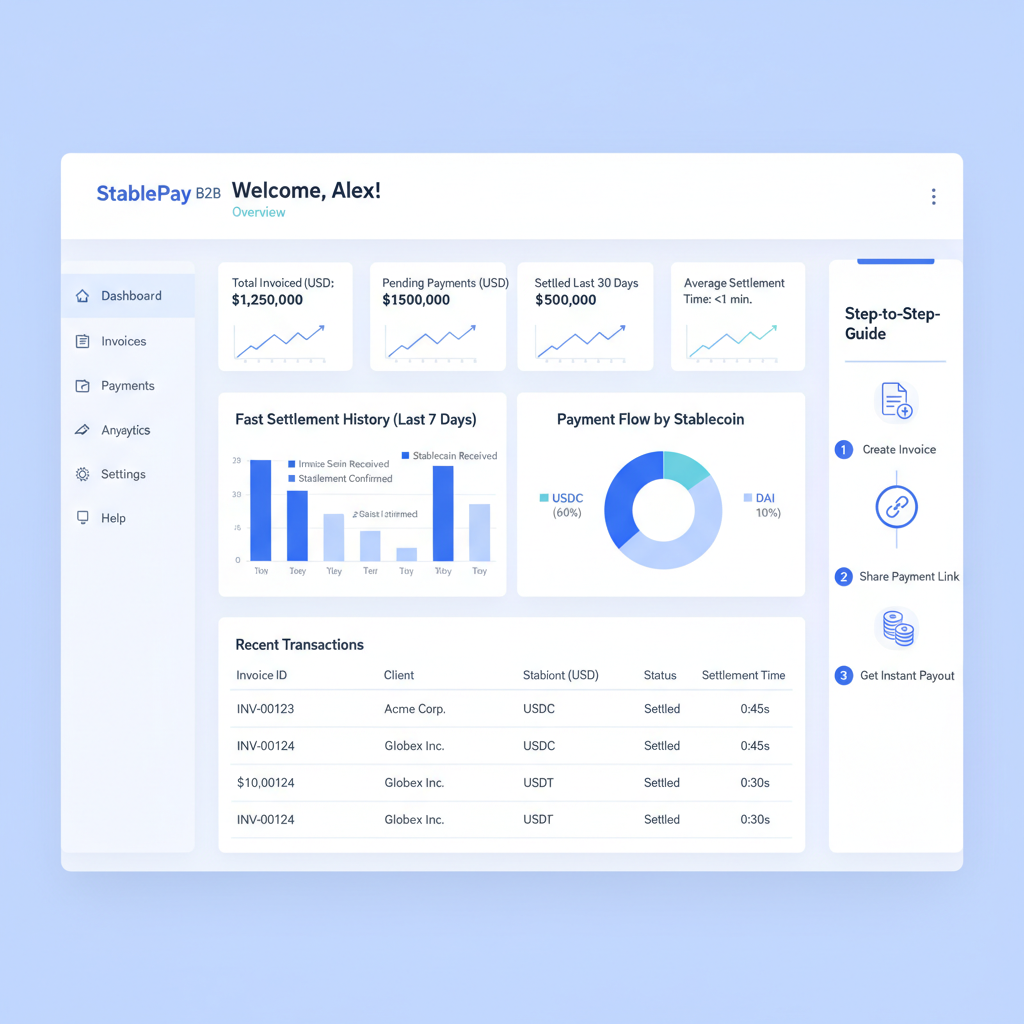
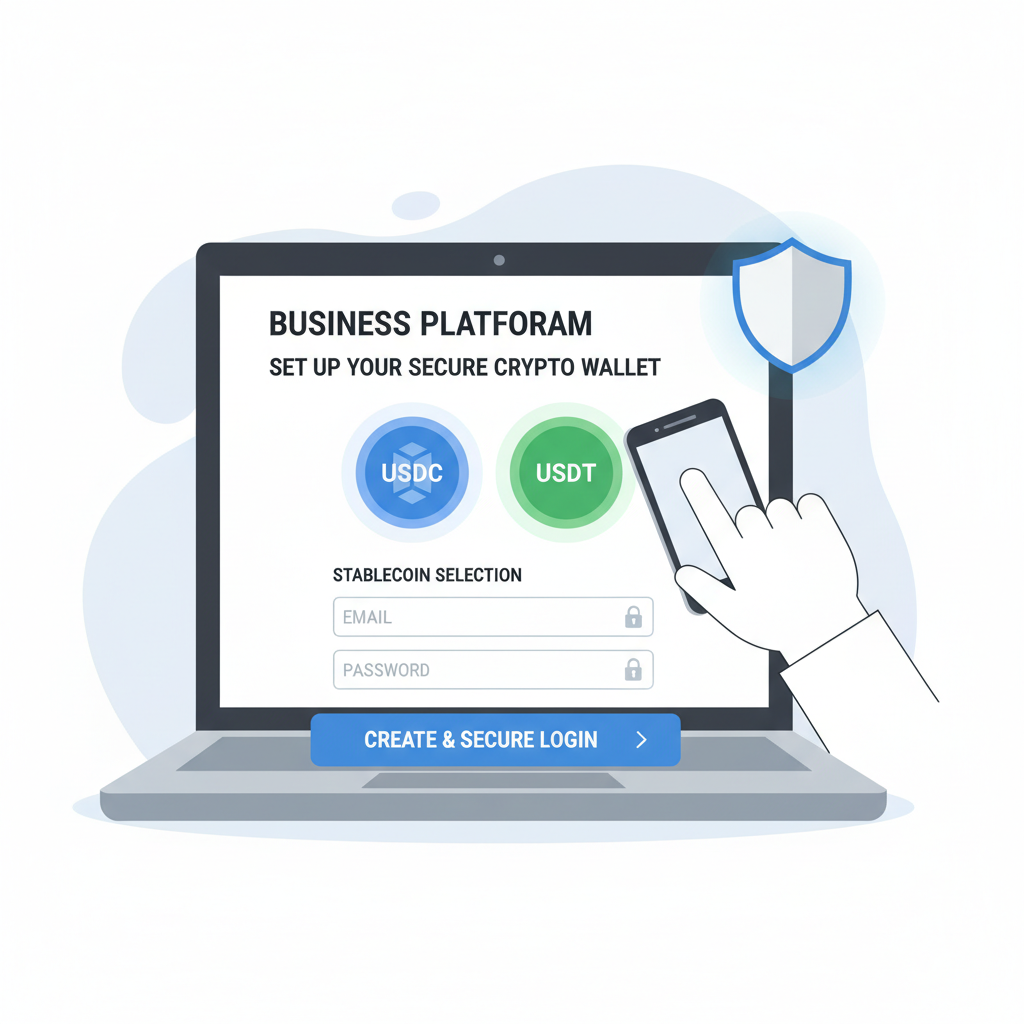
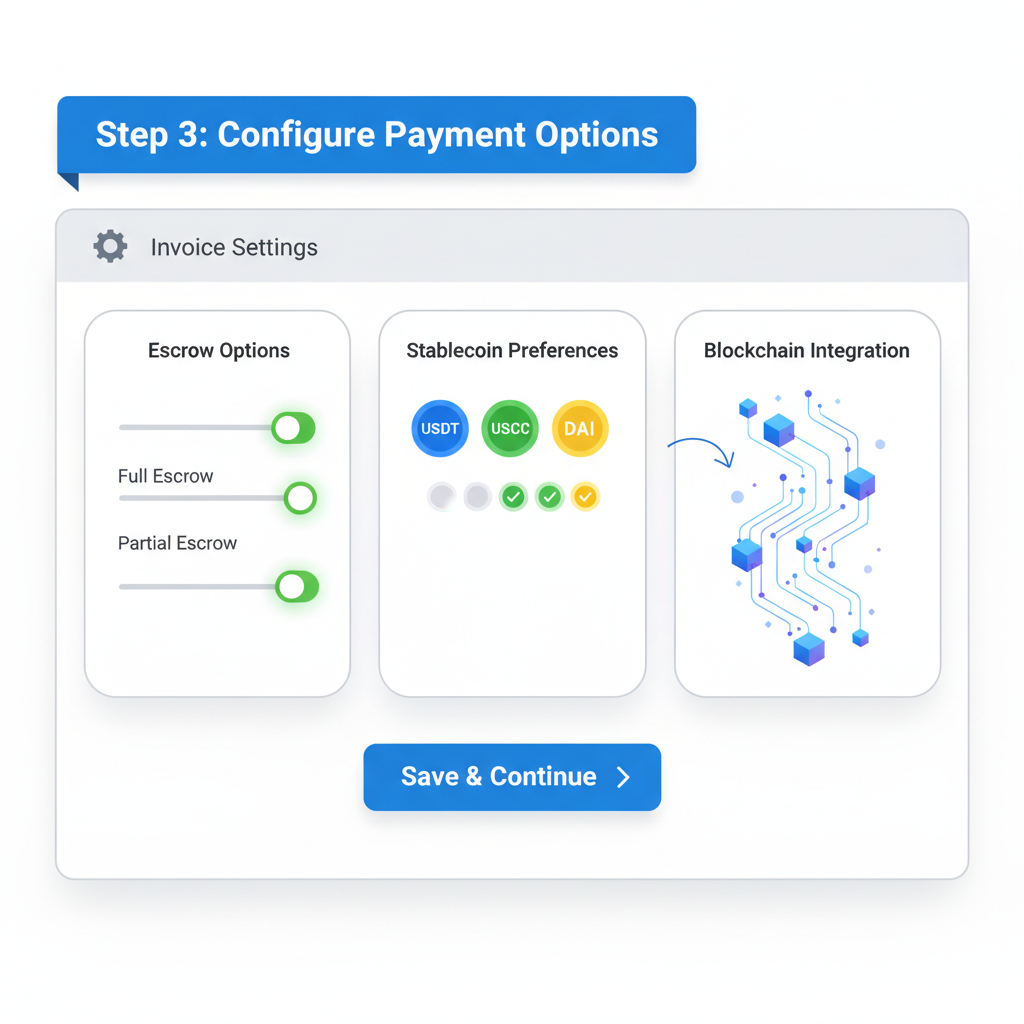
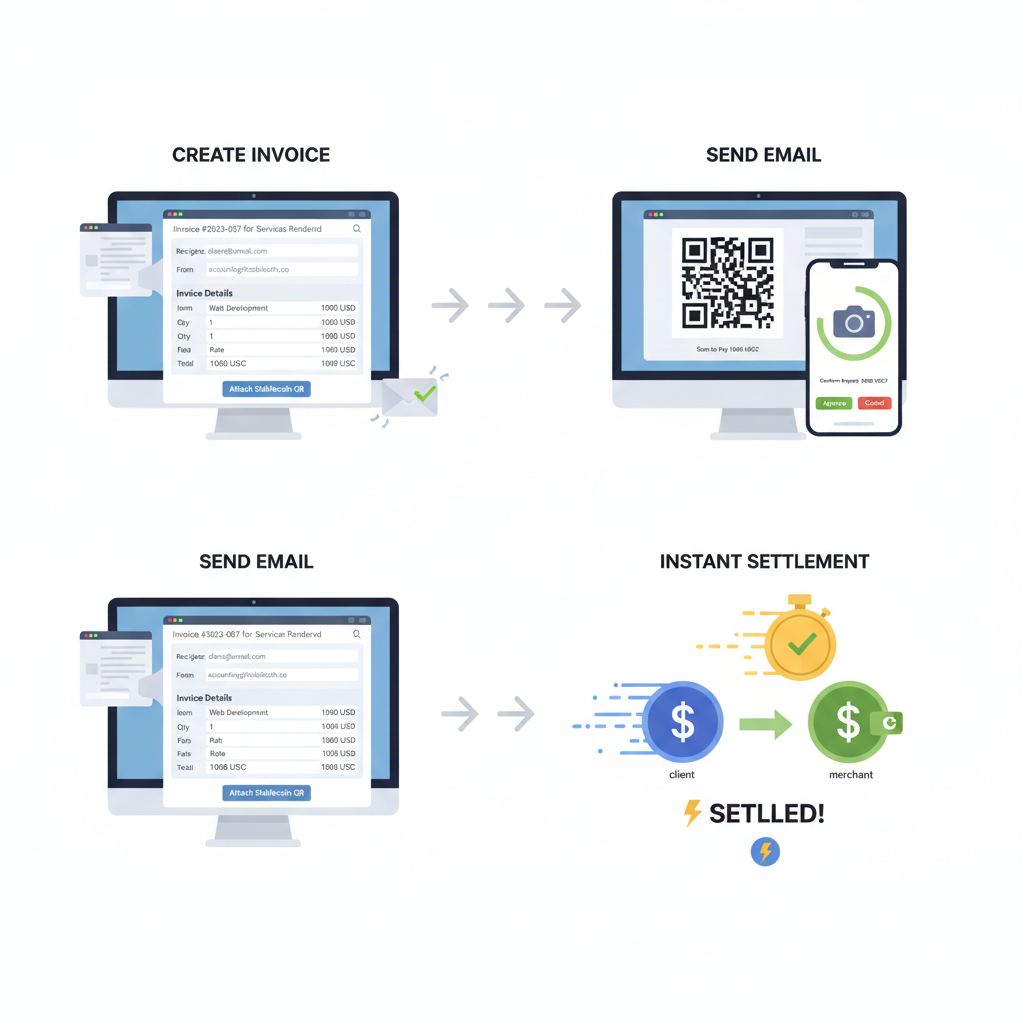
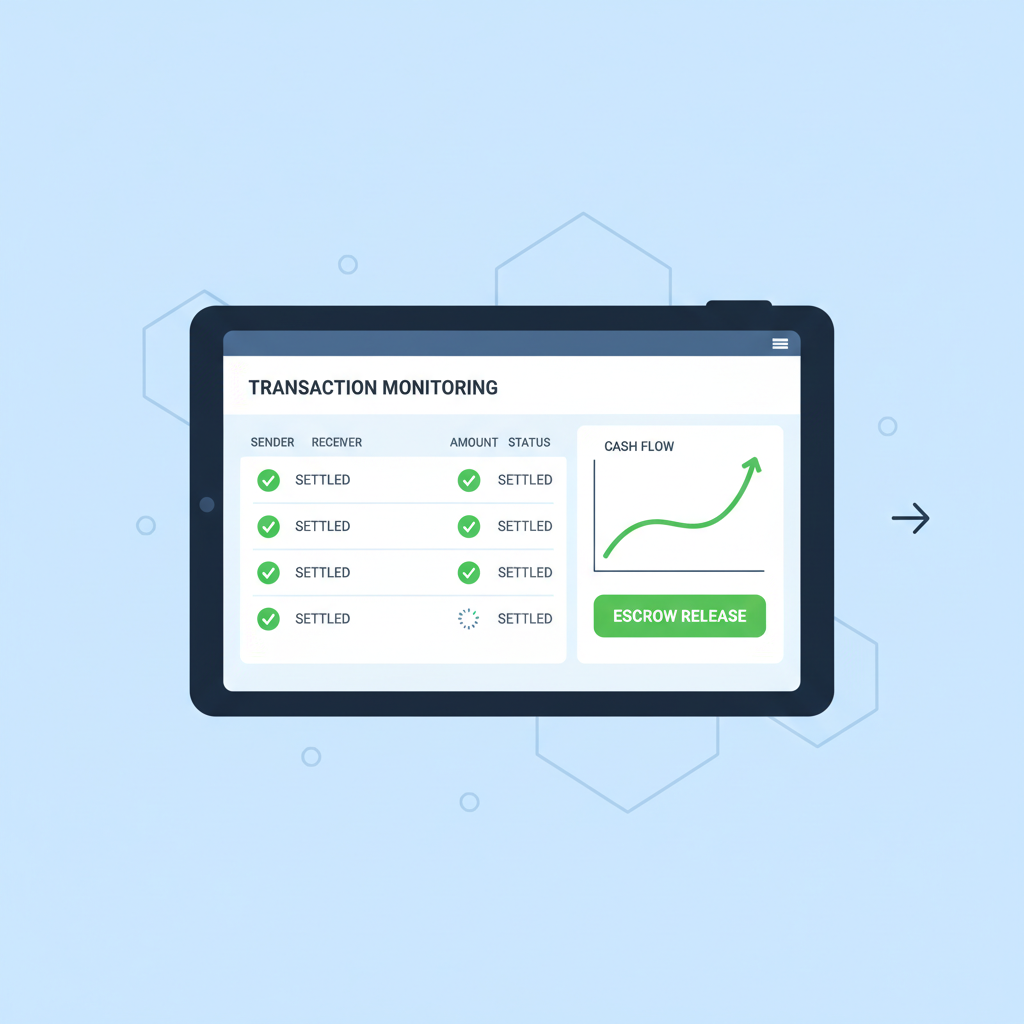
Bitwave positions stablecoin invoices as an AR accelerator, where suppliers invoice in stablecoins upfront, holding value immune to local devaluations. This empowers emerging market players, often underserved by banks, to compete on equal footing. Erin McCune's framework identifies cross-border payments as prime for disruption, with stablecoins dismantling correspondent banking's monopoly.
Overcoming Adoption Barriers: A Balanced View
Critics cite wallet security and tax complexities, but enterprise-grade solutions offer insured custody and automated reporting compliant with IFRS 16. Platforms streamline KYC onboarding, integrating with existing ERPs via APIs. Rain Cards notes the crypto-holding prerequisite, addressed by fiat on-ramps that convert local currencies to stablecoins at point-of-invoice.
Quantitative edges shine in side-by-side metrics. Suppliers report 40% faster inventory turns and 15% margin expansions from fee eliminations. Yellow Card's PSP model demonstrates just-in-time payouts, where buyers trigger releases upon inspection, aligning incentives and curbing disputes.
Risks and Mitigations for Stablecoin Invoicing in B2B
| Risk | Traditional Impact | Stablecoin Mitigation |
|---|---|---|
| Volatility | ⚠️ High FX losses from currency fluctuations | 🔒 Pegged stability ensures value consistency |
| Counterparty Default | ⚠️ Funds locked for days/weeks, increasing exposure | 🔒 Settlements in minutes minimize default risk |
| Regulatory Uncertainty | ⚠️ Varying compliance and legal hurdles across borders | 🔒 Blockchain transparency supports audits and evolving recognition |
StableInvoiceB2B. com stands out by fusing these elements: customizable net terms, multi-sig vaults, and instant settlements. Suppliers gain dashboards tracking invoice status in real-time, fostering transparency that builds enduring partnerships.
As global trade volumes swell amid supply chain reshoring, stablecoin invoicing equips suppliers with resilient cash flow engines. This isn't mere efficiency; it's a strategic lever for scaling amid uncertainty. Businesses prioritizing stablecoin cash flow B2B strategies today position themselves to thrive in tomorrow's frictionless trade landscape, where liquidity dictates dominance.


No comments yet. Be the first to share your thoughts!