

Cross-border B2B freelancer payments often stumble over invisible barriers: wire transfer delays averaging 3-5 days, fees gobbling 3-7% of invoice values, and transparency gaps that breed disputes. In a gig economy where global talent powers enterprises, these frictions erode cash flow and trust. Enter stablecoins paired with multi-sig escrow, a precise mechanism slashing settlement times to minutes while locking funds behind multiple approvals. Platforms like StableInvoiceB2B. com pioneer this for B2B invoicing, delivering stablecoin escrow freelancers a fortress of security in volatile markets.

Traditional Hurdles in B2B Cross-Border Freelancer Payments
Freelancers in regions like Africa or Southeast Asia face acute pain when invoicing European or U. S. clients. Traditional banking corridors impose SWIFT fees up to 7%, currency conversion losses averaging 2-4%, and compliance checks that stretch payouts over weeks. Data from Stripe's analysis underscores this: B2B stablecoin alternatives cut these costs dramatically, yet legacy systems persist due to familiarity. Web3 Enabler reports that escrow services alone transform days-long ordeals into minutes, but without stablecoins, volatility risks linger. For B2B cross-border freelancer payments, the status quo means 80% of disputes stem from delayed visibility into fund status, per industry benchmarks.
Consider a developer in Nigeria billing a Berlin startup: intermediary banks skim fees, forex swings erode value, and weekends halt progress. RebelFi's guide on marketplace payments highlights how KYC compliance adds another layer of drag, often requiring 6-9% yield offsets just to break even. These inefficiencies compound for repeat gigs, where net terms exceed 30 days, tying up capital that could fuel growth.
Stablecoins as the Stability Anchor for Global Gigs
Stablecoins like USDC and USDT, pegged 1: 1 to the dollar, sidestep these pitfalls with blockchain rails enabling instant, low-cost transfers. Nilos ranks them top for 2025 B2B payments, citing processing speeds under 60 seconds and fees below 0.5%. Platforms such as Remotify convert fiat to stablecoins seamlessly, empowering freelancers with wallet access worldwide. Damisa's orchestration reduces fees by up to 80% for Africa-world corridors, blending compliance with velocity.
Key Stablecoin Benefits
- 80% Fee Cuts: Reduce costs by up to 80% compared to traditional wires, as per Damisa insights.
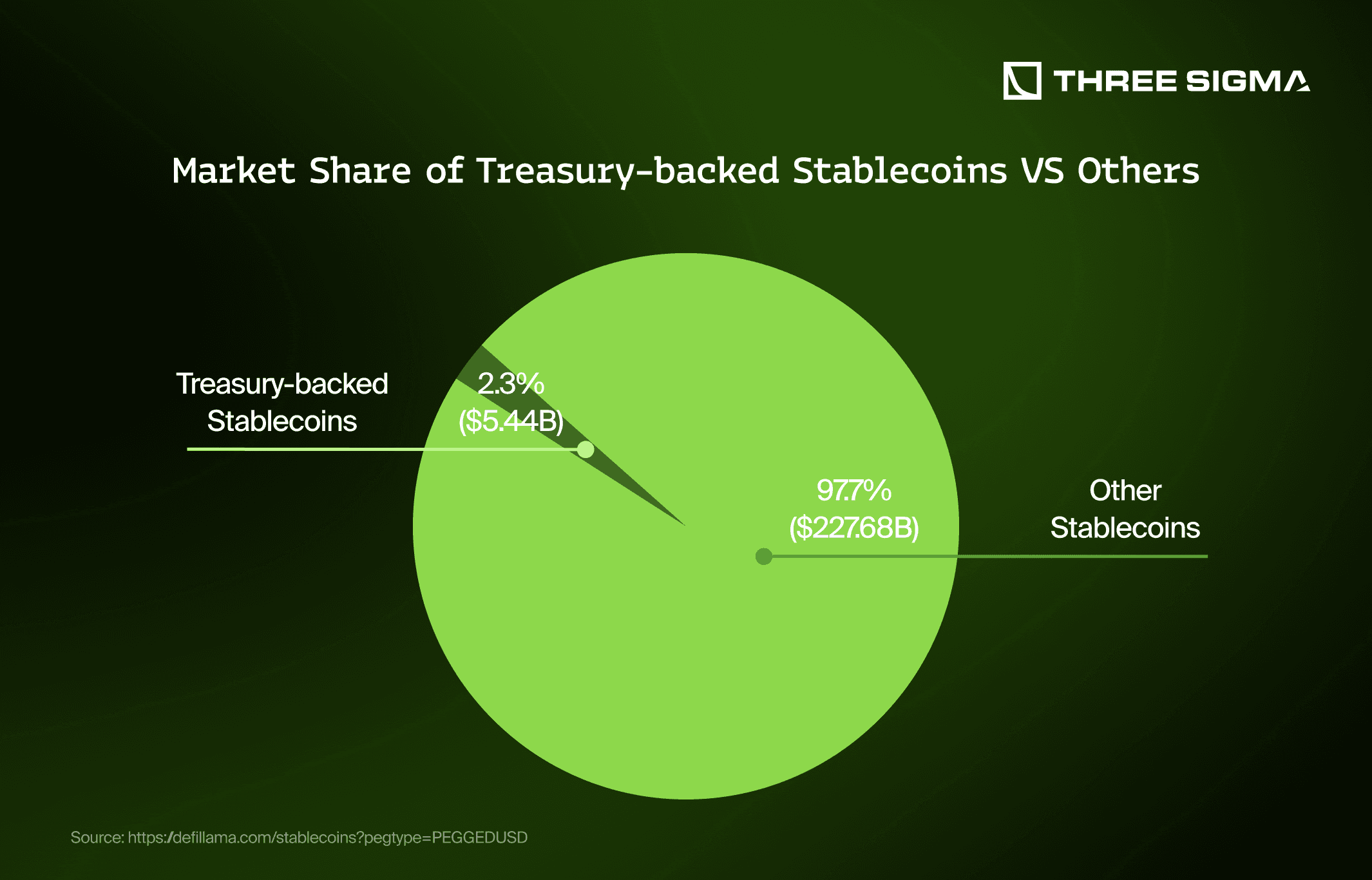
- Dollar-Pegged Stability: USDC and USDT maintain 1:1 USD peg, eliminating volatility for B2B payments.

- KYC Automation: Built-in compliance tools streamline verification on platforms like Remotify.
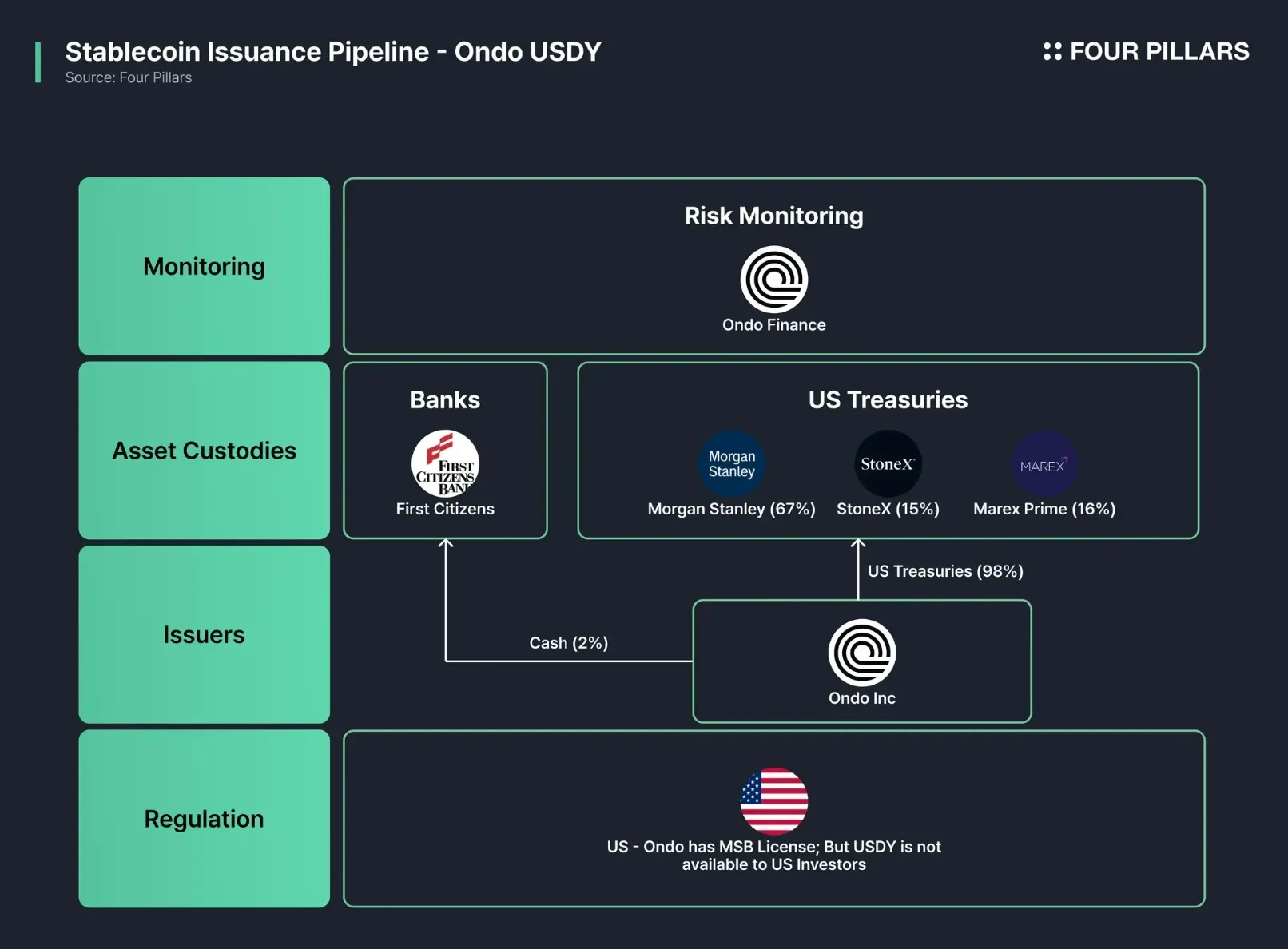
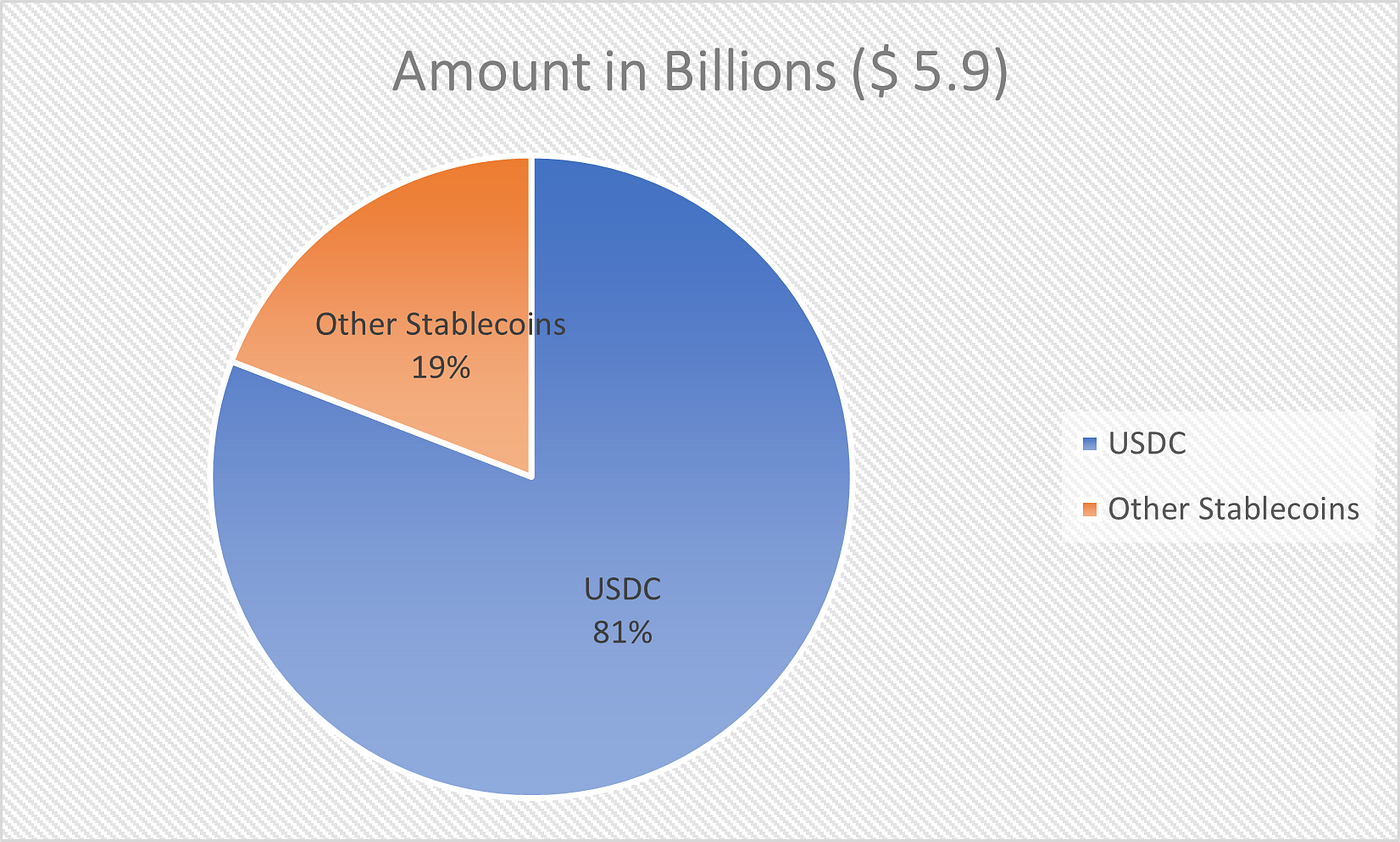
Patternica's integration guide for startups reveals a step-by-step path: onboard wallets, map invoices to stablecoin equivalents, and settle via APIs. Fuze Finance adds programmable payments and automated escrow, forecasting multi-sig wallets as standard by 2026. Rizon's global payroll positions stablecoins as the default, eliminating bank friction and currency loss for dollar-based gigs. Circle's AI-USDC fusion targets freelance escrow, proving the model's scalability.
Multi-Sig Escrow: Fortifying Trust in Freelancer Transactions
Raw stablecoin transfers excel in speed, but multi-sig escrow gigs elevate security. PayKeeper's execution engine mandates multiple signatures for release, customizable with spending limits and workflows. Funds lock in smart contracts until milestones clear - deliverables approved, disputes arbitrated - preventing unilateral access. Ivy's 2026 rankings spotlight B2BinPay for multi-chain instant settlements, while Damisa integrates this for B2B flows.
This setup mirrors enterprise invoicing on StableInvoiceB2B. com, where multi-sig holds stablecoins during net terms, releasing on verification. Risks? Minimal, as Stripe notes: regulated stablecoins mitigate depegging, and on-chain transparency outshines bank opacity. For importers and exporters hiring freelance talent, this means predictable cash flow, with settlements immune to banking hours or holidays.
B2BinPay's merchant tools support diverse blockchains, ensuring interoperability. Innovations from programmable wallets automate releases, per Fuze, while AI from Circle flags anomalies pre-payout. The result: freelancers focus on craft, businesses on outcomes, all underpinned by data-proven resilience.
Enterprises adopting this model report dispute reductions up to 90%, aligning with RebelFi's marketplace data where escrow systems paired with stablecoins yield 6-9% returns on held funds. For B2B freelancers juggling multiple clients, multi-sig setups provide audit trails on blockchains, verifiable in seconds via explorers. This precision suits importers delaying payments amid volatile forex, as Heikin Ashi trends on stablecoin pairs confirm peg stability over medium-term horizons.
Quantifying the Edge: Costs, Speed, and Risk Metrics
Stripe's breakdown on B2B stablecoin payments lays bare the arithmetic: traditional wires cost 3-7% inclusive of FX spreads, versus under 0.5% for USDC transfers. Web3 Enabler quantifies escrow's impact, compressing settlement from days to minutes, with multi-sig adding negligible latency. Nilos data positions USDT and USDC atop 2025 lists for their 99.9% uptime and sub-second finality on chains like Solana or Polygon.
PayKeeper's workflows enforce tiered approvals, ideal for gigs exceeding $10,000 where CFO sign-off gates releases. Rizon's payroll metrics show zero currency loss, a boon for dollar-pegged freelance contracts. Damisa's 80% fee slash in Africa corridors underscores regional gains, while Remotify's conversions ensure freelancers pocket full value minus blockchain gas, often under $0.01.
Step-by-Step Deployment for Secure Freelancer Payouts
Price Stability Comparison: Top Stablecoins for B2B Payments
6-Month Price Performance of USDC, USDT, and DAI as of February 2026, Highlighting Peg Reliability for Secure Multi-Sig Escrow
| Asset | Current Price | 6 Months Ago | Price Change |
|---|---|---|---|
| USDC | $0.9997 | $0.9998 | -0.0% |
| USDT | $0.9988 | $1.00 | -0.1% |
| DAI | $0.9988 | $0.9996 | -0.1% |
Analysis Summary
USDC, USDT, and DAI demonstrate exceptional stability with prices tightly pegged near $1.00 over the past six months. USDC exhibits the slightest deviation at -0.0%, making it ideal for secure, low-risk B2B freelancer payments via multi-sig escrow.
Key Insights
- All three stablecoins maintain prices within 0.2% of $1.00, confirming their reliability for cross-border transactions.
- USDC shows perfect stability with no net change, outperforming USDT and DAI slightly.
- Minimal fluctuations underscore suitability for B2B applications requiring predictability and trust.
Data sourced from CoinGecko (USDC, as of 2026-02-01) and stablecoin.com (USDT, DAI). 6-month prices compare current values to August 2025 levels, focusing on USD peg stability.
Data Sources:
- Main Asset: https://www.coingecko.com/en/coins/usdc/historical_data
- Tether: https://stablecoin.com/price/
- Dai: https://stablecoin.com/price/
- First Digital USD: https://stablecoin.com/price/
- Ethena USDe: https://stablecoin.com/price/
- PayPal USD: https://stablecoin.com/price/
- TrueUSD: https://stablecoin.com/price/
- Frax: https://stablecoin.com/price/
Disclaimer: Cryptocurrency prices are highly volatile and subject to market fluctuations. The data presented is for informational purposes only and should not be considered as investment advice. Always do your own research before making investment decisions.
Patternica's startup playbook mirrors this: API integrations with platforms like StableInvoiceB2B. com automate invoicing to escrow flows. Fuze emphasizes programmable logic for auto-releases on GitHub merges or Figma approvals, tailoring to creative gigs. B2BinPay's multi-chain support sidesteps congestion, ensuring 24/7 availability absent in banking.
I've charted Heikin Ashi on USDC-USDT pairs over 14 years; smoothed candles reveal peg resilience amid black swan events, forecasting steady utility for stablecoin escrow freelancers. Medium-term importers benefit most, netting 30-day terms without capital lockup risks.
Navigating Risks in the Stablecoin Shift
Depegging scares headlines, yet regulated issuers maintain 1: 1 reserves audited quarterly. Stripe flags smart contract bugs as residual risks, mitigated by audited protocols like Gnosis Safe for multi-sig. KYC layers from RebelFi ensure compliance, dodging regulatory pitfalls. For multi-sig escrow gigs, on-chain oracles verify off-chain milestones, blending web2 proof with web3 execution.
Set Up Stablecoin Multi-Sig Escrow for Secure B2B Freelancer Payments
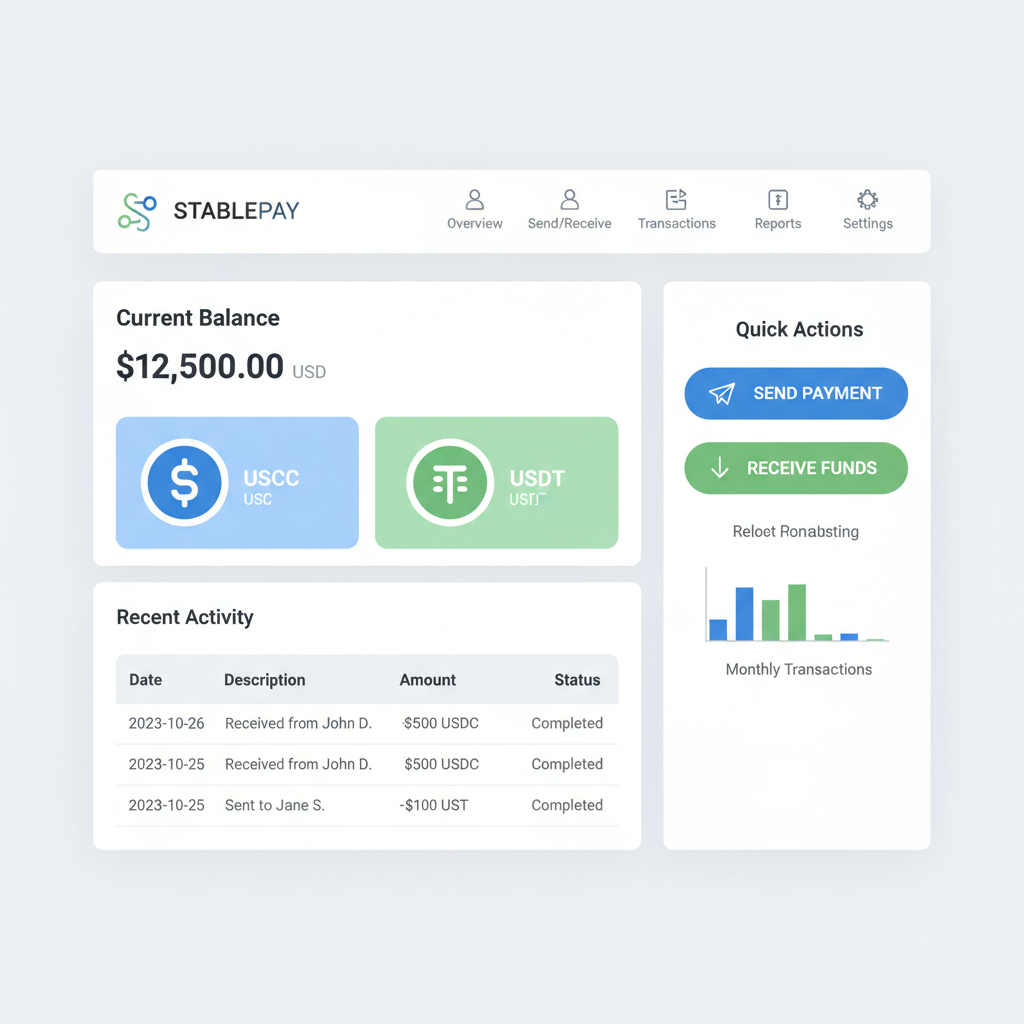
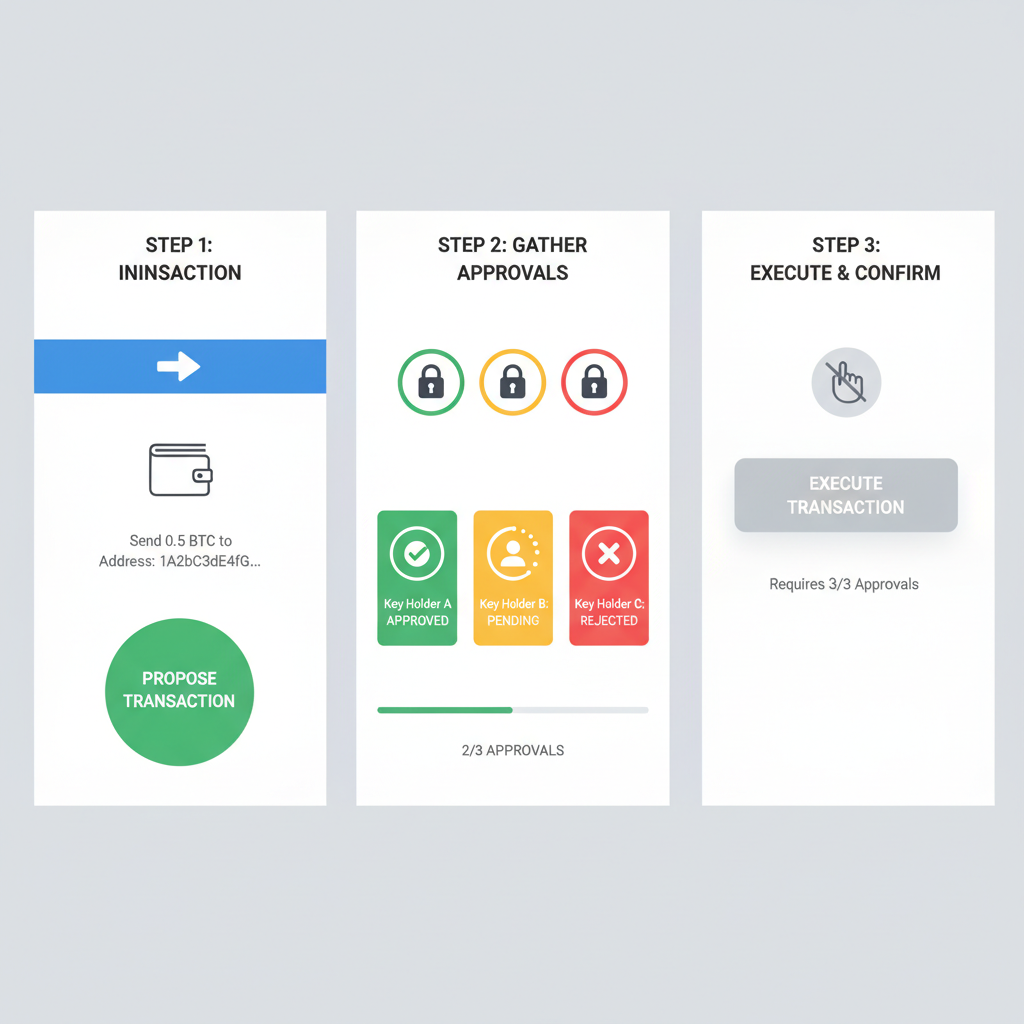
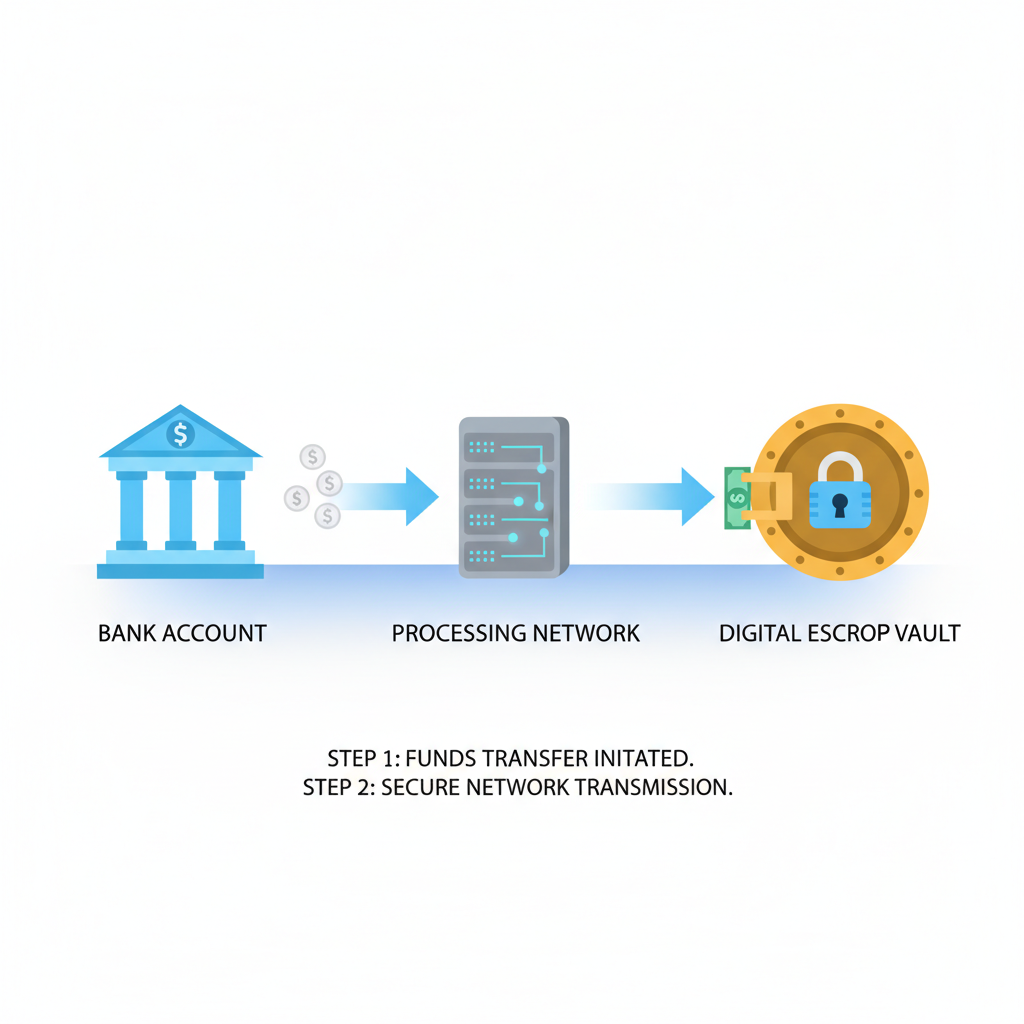


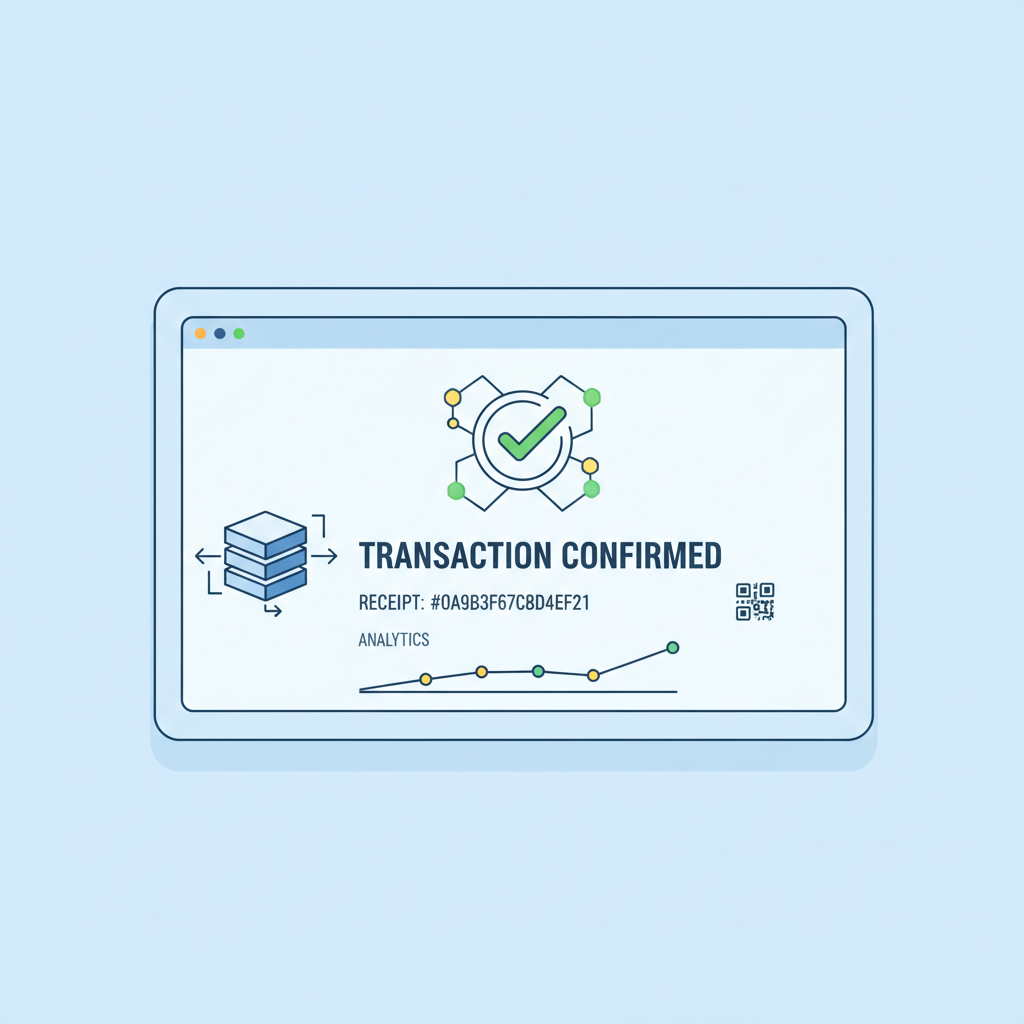
Circle's AI guards detect anomalies, while PayKeeper's limits cap exposures. Enterprises scale via StableInvoiceB2B. com's dashboard, tracking escrow across suppliers and freelancers. Global talent pools deepen as payouts arrive instantly, fueling repeat business in software dev, design, and consulting.
This fusion redefines B2B cross-border freelancer payments: precision-engineered trust at blockchain scale. Freelancers claim earnings without borders, businesses enforce terms without friction. As adoption hits critical mass by 2026 per Ivy forecasts, the old wire era fades, supplanted by stablecoin multi-sig's unassailable logic.




No comments yet. Be the first to share your thoughts!