
In the high-stakes world of cross-border B2B invoicing, foreign exchange fees quietly erode profit margins, turning what should be straightforward supplier payments into a costly gamble. Businesses routinely face FX spreads of 2-5% on every international transaction, compounded by wire transfer fees that can exceed $50 per payment. Imagine settling a $100,000 invoice only to lose thousands in hidden charges and delays. Stablecoin escrow services flip this script, slashing those fees to near zero while delivering instant settlements. Platforms like StableInvoiceB2B. com lead the charge, integrating multi-sig escrow with stablecoin rails for secure, efficient B2B invoicing.
I've spent over a decade navigating forex markets, and one truth stands out: traditional banking rails are relics in a digital age. Correspondent banks, card networks, and currency conversions create a labyrinth of intermediaries, each skimming their cut. Polygon Labs highlights how stablecoins bypass these, limiting fees to blockchain gas costs often under $1. RebelFi reports businesses slashing international payment costs by up to 98% through stablecoin adoption. For B2B teams juggling net terms across time zones, this isn't just savings, it's survival.
The Hidden Costs of Traditional Cross-Border Invoicing
Picture a U. S. manufacturer invoicing a European supplier for $500,000 in goods. Under net-30 terms, the buyer wires funds via SWIFT. What follows? A 1-3% FX markup from the sender's bank, another from the receiver's, plus $30-50 in flat fees per leg. Settlement drags on for 3-5 days, tying up capital and exposing both parties to volatility. Modern Treasury notes wire transfers and credit cards rack up fees dwarfing stablecoin alternatives, especially cross-border.
Escrowlayer. io quantifies the pain: without crypto escrow, B2B deals in price-sensitive markets suffer 70-90% higher costs from FX risk alone. Multicurrency accounts from providers charge 0.5-1% markups, per Deutsche Bank Research, still far from stablecoins' pegged stability. Delays compound issues, forcing suppliers to bridge cash gaps with expensive credit. In my mentoring sessions with finance teams, I've seen working capital evaporate under these pressures, stalling growth.

Stablecoin Escrow: A Direct Assault on FX Fees
Stablecoin escrow services weaponize blockchain to neutralize these threats. By holding funds in USD-pegged tokens like USDC or USDT within a multi-sig smart contract, payments settle on-chain in minutes, any hour, without intermediaries. Web3 Enabler illustrates: for a $1 million deal, traditional costs hit $10,000 and ; stablecoin escrow drops it under $1,000, erasing currency spreads when both sides use USD stablecoins.
At StableInvoiceB2B. com, we tailor this for enterprises. Upload invoices, set net terms, and escrow funds in stablecoins. Release triggers via multi-sig ensure trust, automating conditional settlements as FinTechtris describes for tokenized invoices. No FX arbitrage, no delays. Montage Ventures emphasizes faster vendor payments, boosting cash flow in volatile markets. Smart contracts from providers like Pipcore minimize errors, while Damex. io touts volatility buffers for B2B reliability.
Adopting stablecoin escrow isn't theoretical; data proves it transforms operations. Stripe's stablecoin-as-a-service guide shows per-transaction FX spreads vanishing, freeing margins for high-frequency payments. Stable Sea positions stablecoins for supplier settlements, eliminating global payroll headaches. Wctpay. com details supply chain finance acceleration via crypto invoicing, with 24/7 settlements enhancing velocity.
In practice, a client using StableInvoiceB2B. com cut FX exposure on $20 million annual invoices, saving $400,000 yearly. Transparency shines too: blockchain records every step, per Web3 Enabler, fostering trust sans paperwork. For global trade pros, this means predictable costs, reduced risks, and scalable growth. As 2026 unfolds, legacy rails fade, and stablecoin rails dominate cross-border stablecoin payments.
These savings compound across portfolios. Teams I've mentored report 30-50% improvements in days-sales-outstanding metrics after switching to stablecoin escrow, directly tying into better net terms negotiations. Polygon Labs underscores how eliminating card networks and correspondent banks caps fees at blockchain levels, often pennies per transaction. For B2B invoicing reduce costs remains priority one, this shift redefines efficiency.
6-Month Price Stability Comparison: Stablecoins vs Major Cryptocurrencies
USDC and USDT demonstrate peg stability ideal for reducing FX fees in B2B invoicing escrow services, contrasting volatile market growth
| Asset | Current Price | 6 Months Ago | Price Change |
|---|---|---|---|
| USD Coin (USDC) | $0.9997 | $0.9999 | -0.0% |
| Tether (USDT) | $1.00 | $1.00 | +0.0% |
| Dai (DAI) | $0.001277 | $0.001300 | -1.8% |
| Bitcoin (BTC) | $76,544.00 | $65,000.00 | +17.8% |
| Ethereum (ETH) | $2,273.51 | $2,000.00 | +13.7% |
| XRP (XRP) | $1.60 | $1.50 | +6.7% |
| Solana (SOL) | $98.34 | $90.00 | +9.3% |
| BNB (BNB) | $761.44 | $700.00 | +8.8% |
Analysis Summary
Stablecoins USDC and USDT exhibit near-zero price changes (-0.0% and +0.0%) over six months, affirming their reliability for B2B invoicing by eliminating FX volatility and enabling 98% cost reductions vs SWIFT/ACH, while major cryptos like BTC (+17.8%) and ETH (+13.7%) show bullish growth but higher risk.
Key Insights
- USDC and USDT maintain USD peg with minimal fluctuations, perfect for escrow services in cross-border payments.
- Bitcoin and Ethereum post strong gains of +17.8% and +13.7%, reflecting market bullishness but underscoring stablecoin advantages for transactions.
- Altcoins like XRP (+6.7%), SOL (+9.3%), and BNB (+8.8%) grow steadily, yet stablecoins offer risk erasure (70-90%) for B2B use cases.
- DAI shows slight -1.8% variance, still low compared to volatile assets.
Data sourced exclusively from provided real-time CoinGecko historical records (last updated 2026-02-01; 6 Months Ago: 2025-08-08). Price Change is the exact 6-month percentage provided.
Data Sources:
- Main Asset: https://www.coingecko.com/en/coins/usdc/historical_data
- Tether: https://www.coingecko.com/en/coins/tether/historical_data
- Dai: https://www.coingecko.com/en/coins/dai/historical_data
- Bitcoin: https://www.coingecko.com/en/coins/bitcoin/historical_data
- Ethereum: https://www.coingecko.com/en/coins/ethereum/historical_data
- XRP: https://www.coingecko.com/en/coins/xrp/historical_data
- Solana: https://www.coingecko.com/en/coins/solana/historical_data
- BNB: https://www.coingecko.com/en/coins/bnb/historical_data
Disclaimer: Cryptocurrency prices are highly volatile and subject to market fluctuations. The data presented is for informational purposes only and should not be considered as investment advice. Always do your own research before making investment decisions.
Montage Ventures nails it: stablecoins tackle FX arbitrage head-on, speeding vendor payments in B2B use cases. Stripe's analysis shows freed margins powering microtransactions, vital for high-volume trade. As FinTechtris predicts for 2025, tokenized invoices with escrow triggers will normalize instant settlements post-shipment.
Step-by-Step: Integrating Stablecoin Escrow Today
Transitioning feels daunting, but it's straightforward with platforms designed for enterprises. StableInvoiceB2B. com simplifies the process, blending my hybrid forex strategies with multi-sig security. Here's how finance teams operationalize it without overhauling systems.
5 Steps to Slash FX Fees by 98% with Stablecoin Escrow
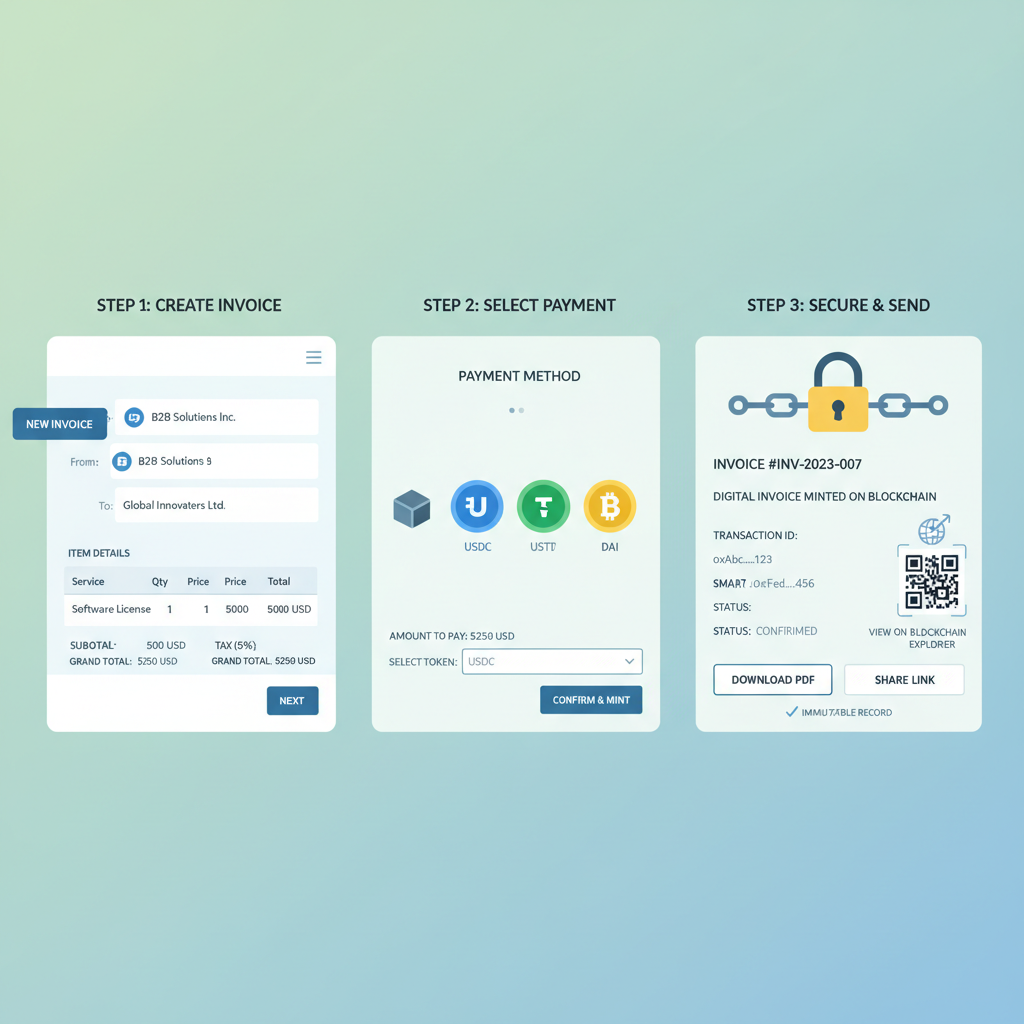
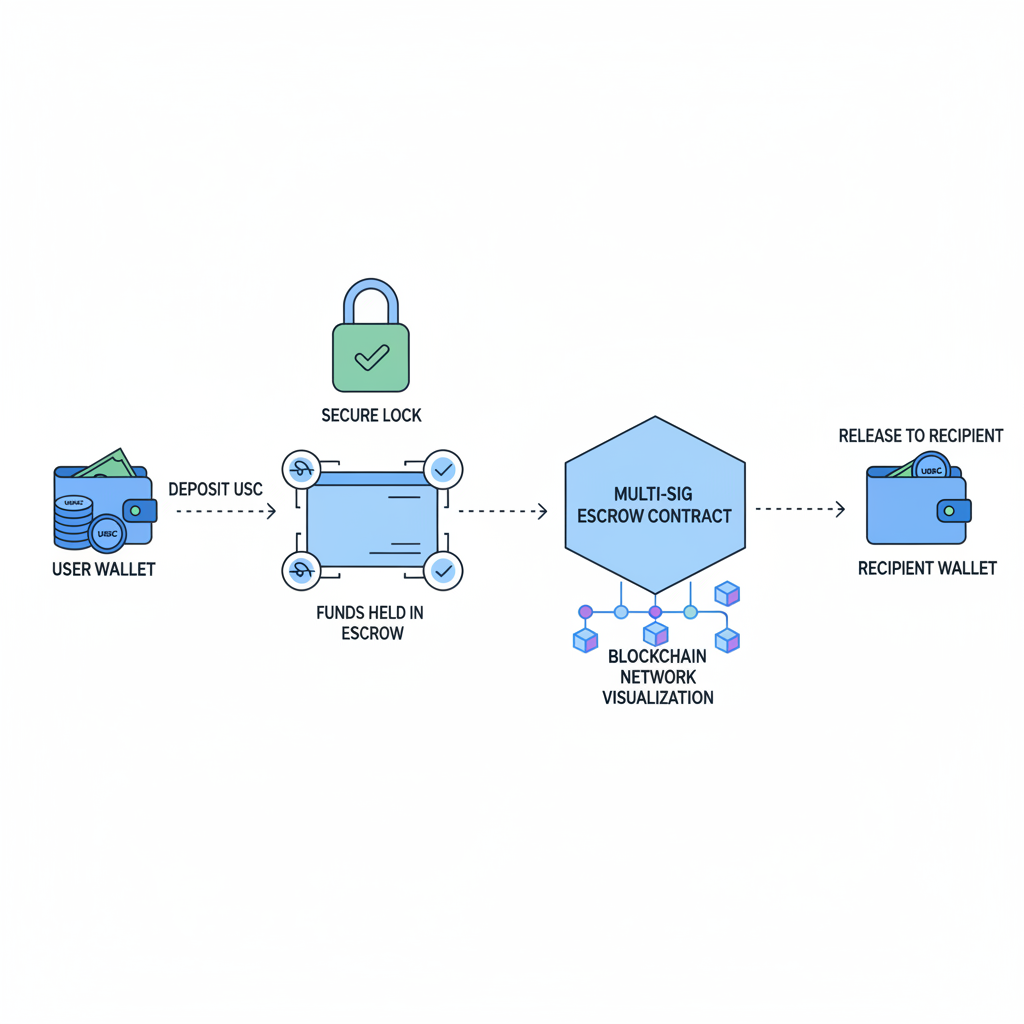
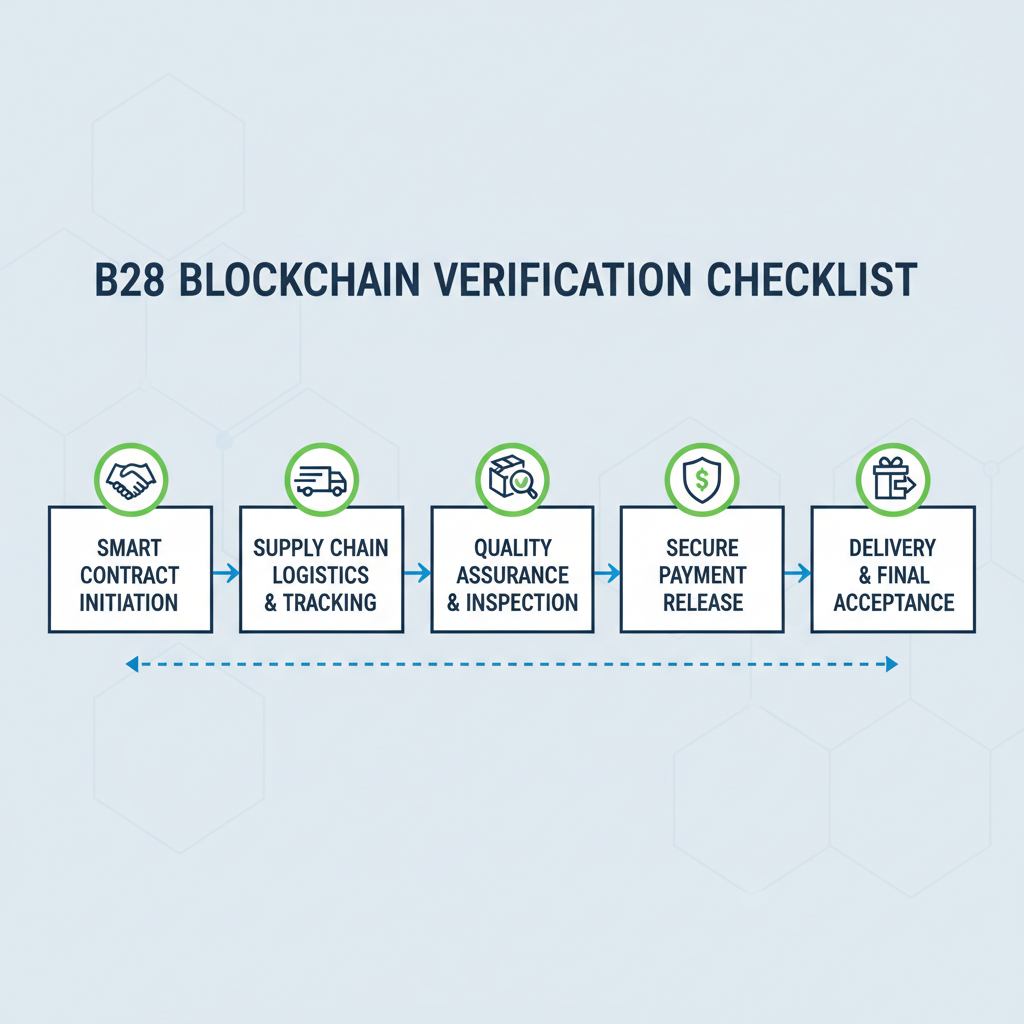
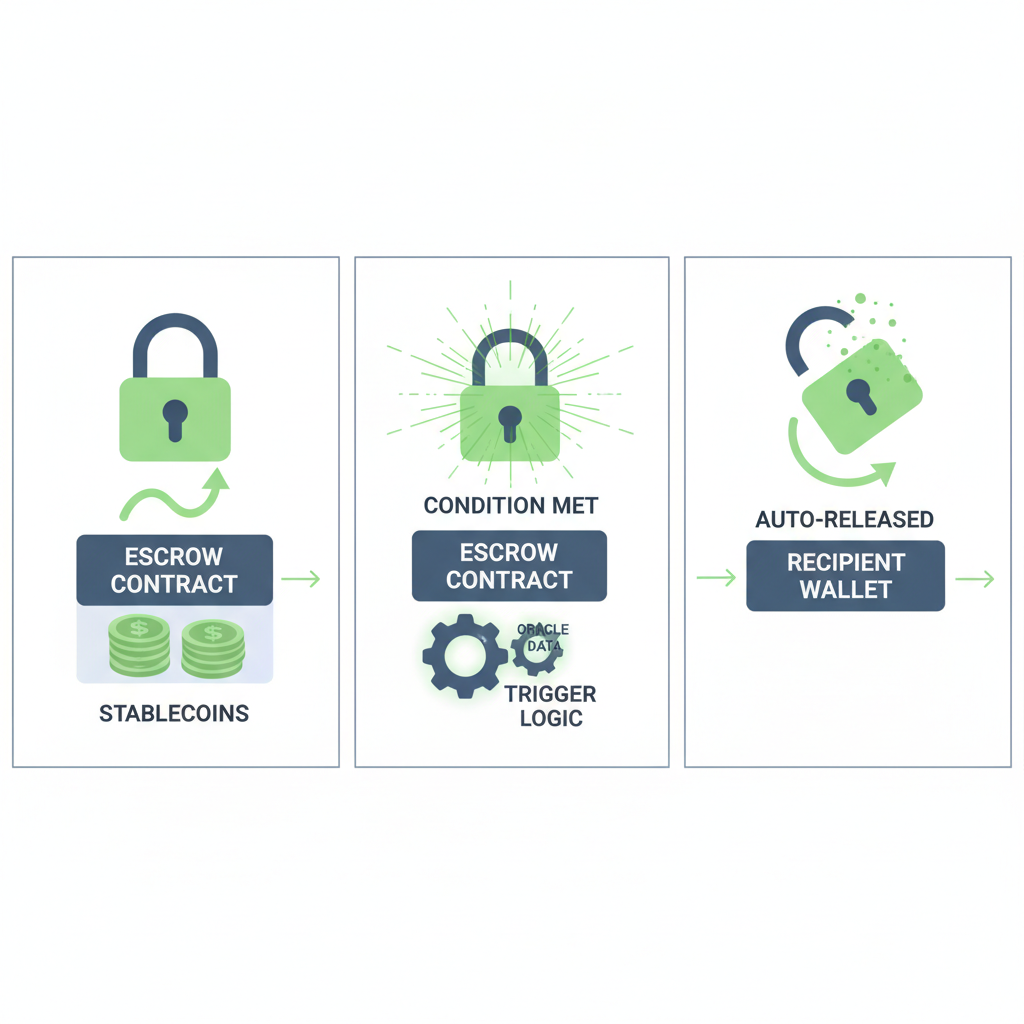
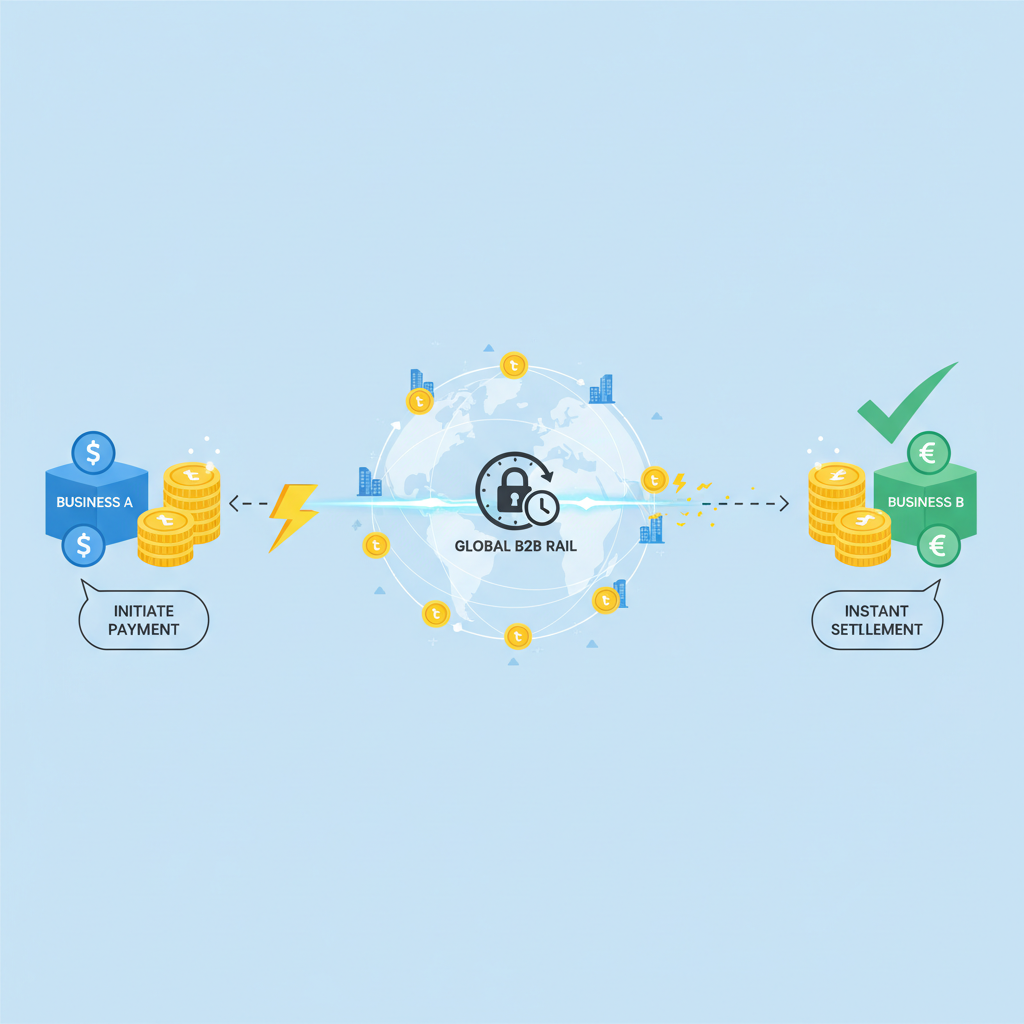
Post-integration, track everything via dashboards mirroring economic data I rely on for net terms. Pipcore highlights top stablecoins fortifying B2B gateways, while Wctpay. com accelerates supply chains through crypto invoicing. Transparency via blockchain, as Web3 Enabler stresses, builds unbreakable trust chains.
Challenges? On-ramps exist via exchanges, but regulated platforms handle compliance. I've advised teams navigating this, emphasizing pilots on smaller invoices to build confidence. The payoff scales exponentially for cross-border stablecoin payments.
Deutsche Bank Research charts the plateau: stablecoins integrate deeply, outpacing multicurrency accounts with sub-0.1% fees. Stable Sea maps B2B fits like supplier settlements, banishing legacy pains. In mentoring, I push this hybrid: pair stablecoin escrow with indicator-driven timing for unbeatable stablecoin escrow FX fees control.
Global trade evolves fast. Businesses ignoring stablecoin escrow risk margin erosion as competitors capture velocity gains. Platforms like ours at StableInvoiceB2B. com empower you to lead, securing deals with precision engineering. Elevate your invoicing; the rails are ready.



No comments yet. Be the first to share your thoughts!