

In the intricate world of cross-border B2B invoicing, few frustrations rival the unpredictability of fees. Businesses routinely face a gauntlet of hidden charges from intermediaries, currency conversions, and varying bank policies, eroding margins and complicating cash flow forecasts. Stablecoin platforms, however, introduce a disciplined alternative: predictable low fees that align with conservative financial planning. Drawing from fundamentals in commodities and bonds, where cost certainty underpins profitability, these platforms leverage blockchain efficiency to deliver what traditional systems cannot.

Traditional cross-border payments, often routed through SWIFT networks, expose firms to layered costs that defy easy prediction. A single wire transfer might tally $30 to $60 in base fees, ballooning further with intermediary banks, compliance checks, and FX spreads. Credit card alternatives fare no better, imposing 2.5% to 3.5% per transaction. These expenses compound across high-volume B2B operations, particularly in global supply chains where invoices span continents.
Unmasking the Fee Labyrinth in Legacy Systems
Polygon Labs highlights how B2B payments falter predictably: slow settlements breed opportunity costs, while opaque fees demand constant vigilance from finance teams. Fragmented tracking exacerbates exceptions, pulling resources from core analysis. In my two decades analyzing bonds, I've seen similar dynamics erode yields; the bond market thrives on transparency, yet cross-border invoicing languishes in shadows. Stripe's analysis echoes this, noting risks alongside benefits, but underscores that conventional methods layer fees relentlessly.
Consider a European supplier invoicing an Asian buyer: FX volatility adds 1-2% losses, weekend delays halt liquidity, and reconciliation friction consumes hours. BVNK's 2025 guide pegs traditional transfers at 2-7%, versus stablecoin's 0.5-2%. This disparity isn't theoretical; it's a structural flaw in fiat rails, where intermediaries capture value without adding proportional utility.
Stablecoins: Engineering Predictable Fees for B2B Reliability
Stablecoin invoicing platforms flip the script by anchoring payments to efficient blockchains like Tron or Polygon, where transactions settle for $0.10 to $1. This isn't hype; it's engineered predictability. Pegged assets such as USDC or USDT eliminate FX losses, ensuring the invoice amount arrives intact. Lightspark terms it the next evolution: near-instant settlement with global operability, minus the fee roulette.
For finance professionals, this means budgeting with confidence. No more modeling worst-case intermediary cuts or holiday blackouts; blockchain's 24/7 cadence supports net terms without penalty. Modern Treasury emphasizes cost-effectiveness in cross-border contexts, where stablecoins undercut wires and cards. Platforms like StableInvoiceB2B. com extend this via multi-sig escrow, safeguarding funds while enforcing low, transparent fees.
Transaction Fees Comparison for Cross-Border B2B Payments
| Method | Fees |
|---|---|
| 🌐 SWIFT | $30-$60 per transfer |
| 💳 Credit Cards | 2.5%-3.5% |
| ⚡ Stablecoins on Tron/Polygon | $0.10-$1 per transaction |
| ⚡ Stablecoins Overall | 0.5-2% (vs. traditional 2-7%) |
Platforms Pioneering Fee Discipline in 2026
Leading solutions are proving the model. Bitwave enables enterprise stablecoin payments with no hidden fees, integrating seamlessly for vendor payouts. Cybrid offers real-time settlement in stablecoins or fiat, compliant and minimal-cost. WeWire automates cross-border invoicing, slashing fees through smart tools. Bitwage's crypto invoicing denominates in stablecoins, reducing costs versus legacy methods.
Stablecoin Insider projects USDT and USDC dominating 2026 transfers, minimizing reconciliation friction. Bancoli and Rain underscore programmable settlements, blending speed with spendability. In volatile markets, these tools fortify cash flow; as a fundamental analyst, I view them as bonds for the digital era - reliable yields from low-risk infrastructure.
Yet adoption demands scrutiny. While fees plummet, teams must select platforms prioritizing compliance, like those integrating Circle and Tether standards. The savings are compelling: a firm processing 1,000 monthly invoices saves tens of thousands annually, redirecting capital to growth.
Fundamentals dictate that true efficiency emerges from disciplined cost structures, much like the yield curves I tracked in bonds during market turbulence. For a mid-sized exporter handling 1,000 invoices monthly at traditional rates, annual fees could exceed $360,000; stablecoins cap this at under $12,000, a 97% reduction grounded in blockchain's lean architecture. This predictability empowers finance teams to allocate resources toward strategic hedging rather than fee firefighting.
Navigating Risks with Conservative Stablecoin Strategies
While the fee advantages shine, Stripe's guide wisely flags risks: network congestion spikes, stablecoin depegging events, and regulatory flux. These aren't dismissed lightly; in commodities trading, I've learned volatility demands buffers. Yet leading platforms mitigate through layer-2 scaling on Polygon, where fees hold steady even under load, and full reserves audited by firms like Circle. Depegging remains rare post-2023 reforms, with USDC and USDT maintaining pegs within 0.1% under stress.
Regulatory alignment grows firmer; BVNK notes stablecoin payments now embed KYC/AML natively, sidestepping fines that plague non-compliant fintechs. Conservative adoption means starting with pilot programs: test 10% of invoices on platforms like Cybrid, monitoring settlement times and costs against benchmarks. This phased approach mirrors bond laddering, spreading risk while capturing upside.
Key Conservative Strategies
- 1. Pilot small volumes: Begin with low-value transactions on platforms like Bitwave to test settlement speed and fees, minimizing risk while validating near-instant cross-border invoicing.

- 2. Prioritize compliant issuers like USDC: Select regulated stablecoins from issuers such as Circle's USDC to ensure regulatory compliance and reduce counterparty risks in B2B invoicing.

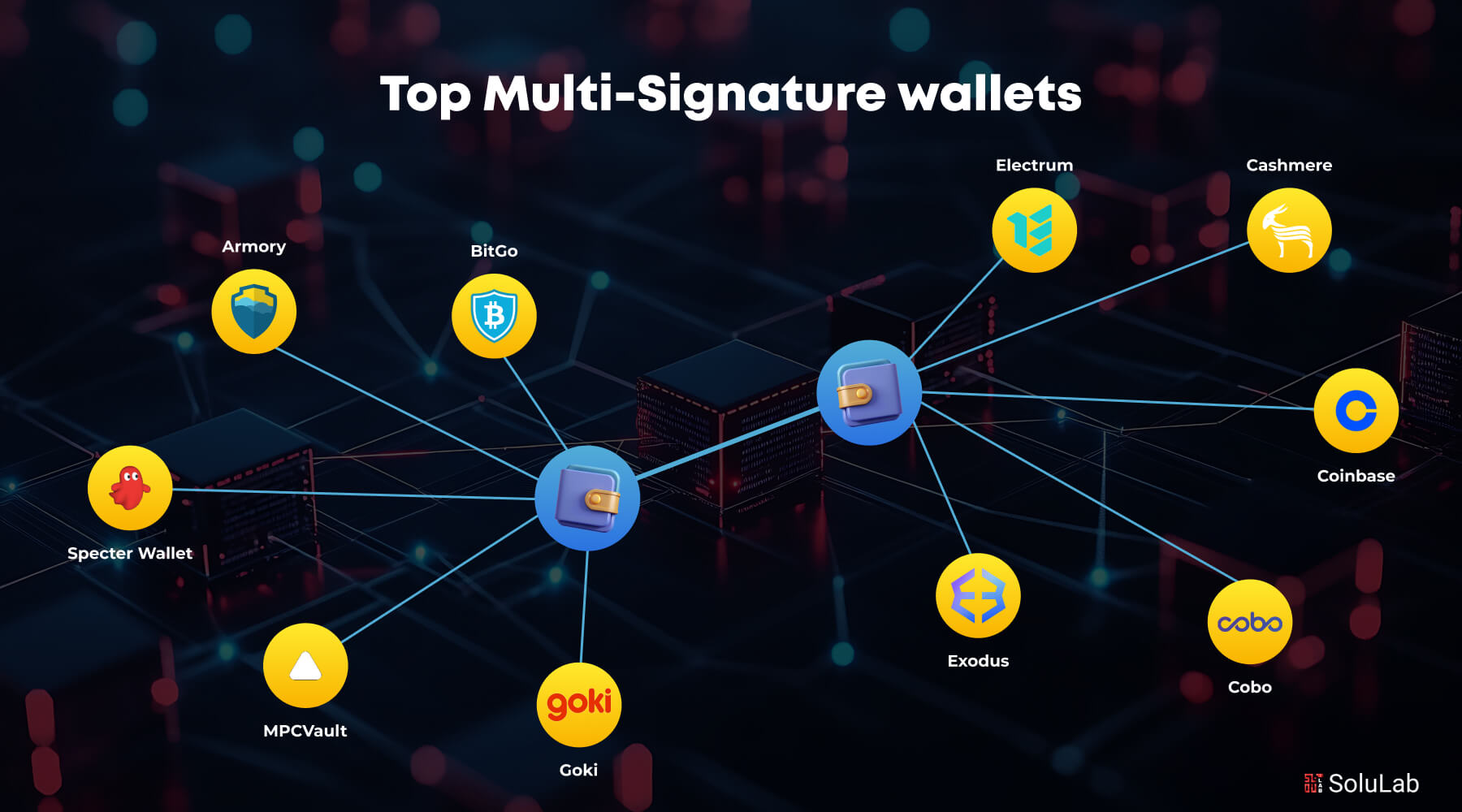
- 3. Integrate multi-sig escrow: Use multi-signature wallets for escrow in transactions, adding security layers for vendor payments on platforms like Cybrid.
- 4. Audit network fees quarterly: Regularly review fees on low-cost networks (e.g., $0.10–$1 on Tron/Polygon) versus traditional $30–$60 wires to maintain cost predictability.

- 5. Hedge with diversified blockchains: Spread usage across Polygon and Tron to avoid congestion fees and ensure reliable, low-cost settlements as highlighted in Polygon Labs insights.
Saber Money's sandwich analogy captures the hybrid appeal: fiat on-ramps feed stablecoins for transit, exiting as local currency with minimal friction. Rain's model adds spendability via cards, ideal for vendors needing immediate liquidity. These integrations fortify stablecoin B2B low fees against edge cases, ensuring reliability rivals treasuries.
Real-World Fee Savings in Action
Imagine a U. S. manufacturer sourcing from Brazil: traditional wires drag 4 days at $45 each, plus 3% FX hit. Stablecoins settle in 5 minutes for $0.50, preserving value. Scaling to quarterly volumes, savings hit $50,000, per Modern Treasury's cost breakdowns. Stablecoin Insider forecasts this as 2026 norm, with USDT/USDC slashing reconciliation by 80%.
Bitwave's enterprise tools exemplify: no hidden fees, vendor onboarding in days, ERP syncs flawless. WeWire's automation handles net-30 terms programmatically, enforcing payments without disputes. For global trade pros, this shifts focus from payables chasing to profitability analysis, echoing bond fundamentals where low carry costs amplify returns.
Polygon Labs' pain points dissolve here: tracking unifies on explorers, exceptions plummet with programmability. Bancoli's workflows embed stablecoins natively, supporting complex supply chains. Lightspark's vision materializes; predictable fees cross-border invoicing isn't aspirational, it's operational.
Elevating Operations with Specialized Platforms
Among innovators, stablecoin payment platforms like StableInvoiceB2B. com stand out for B2B focus. Multi-sig escrow locks funds until milestones, blending custody security with instant settlement. Flexible net terms pair with Tron/Polygon efficiency, yielding fees under 1% total. Finance teams gain dashboards rivaling Bloomberg terminals, minus the premium.
This conservative pivot yields compounding gains: faster cash cycles boost DSO by 20-30 days, per industry benchmarks. In volatile markets, where FX swings 5% weekly, pegged stability proves invaluable. As bonds teach, anchor to fundamentals; stablecoins deliver that in payments, fortifying enterprises against legacy drags.
Global trade thrives when costs bend to strategy, not caprice. Platforms engineering predictable low fees redefine B2B invoicing, proving blockchain's maturity for enterprise scale. Firms embracing this now position for 2026 dominance, their balance sheets leaner, forecasts sharper.


No comments yet. Be the first to share your thoughts!