
In the high-stakes world of global B2B trade, Net 30 terms have long been a double-edged sword. Buyers cherish the 30-day grace period to manage cash flow, yet suppliers grapple with prolonged payment delays that strain operations and inflate financing costs. Enter net 30 stablecoin escrow: a blockchain-powered innovation that preserves these buyer-friendly terms while delivering instant settlements upon fulfillment. Platforms like StableInvoiceB2B. com leverage multi-sig escrow to hold funds securely, releasing them in minutes via stablecoins such as USDC, transforming deferred payments into reliable, real-time liquidity.
This shift isn't mere hype; it's a pragmatic evolution backed by surging adoption. Stablecoin transactions now facilitate $20 billion to $30 billion in daily on-chain payments, per McKinsey, with B2B volumes climbing from $100 million to $3 billion monthly, as noted by Speed. Traditional wires and ACH drag settlements to 2-5 days, even after payment, due to SWIFT and banking hours. Stablecoins obliterate these barriers, settling any hour, anywhere.
Decoding the Net 30 Stablecoin Escrow Mechanism
At its core, B2B payment terms stablecoin escrow operates through smart contracts on efficient blockchains. A buyer deposits stablecoins into a multi-signature wallet upon invoicing. These funds remain escrowed for the full Net 30 period, earning yield if programmed, while the supplier ships goods or delivers services. Milestones verified on-chain, delivery confirmations, quality checks, trigger automatic release. No banks, no intermediaries; just code enforcing trust.
Consider a European exporter invoicing an Asian importer for $500,000 in machinery parts. Under legacy systems, the importer pays on day 30 via wire, but funds arrive days later amid forex volatility. With StableInvoiceB2B. com, the stablecoin escrow locks USDC equivalent instantly. On day 30, or earlier if accelerated, settlement hits the supplier's wallet in under 10 minutes. This instant cross-border settlements model, endorsed by Stripe and Deutsche Bank, routes payments as a superior settlement rail.
Suppliers gain the most from this paradigm. Prompt fund access slashes the need for costly bridge loans, often at 5-10% interest. McKinsey highlights how stablecoins free trapped capital, while Lightspark points to 30-90 day terms compounded by 2-5 day clears crippling small firms. Escrow services like those from Trustless Work and Uniscrow add transparency: every step logged immutably, slashing disputes by 80% in some pilots.
Buyers aren't sidelined; they retain Net 30 flexibility without eroding supplier trust. Reduced fees, down 70-90% versus wires, bolster margins. Thunes and Circle's liquidity partnerships ensure 24/7 stablecoin availability, while Coinbase's 2025 Business launch with USDC targets exactly this B2B niche. I estimate conservative adopters could boost working capital efficiency by 15-25%, based on 15 years tracking forex-exposed trades.
Navigating Risks in the Stablecoin Frontier
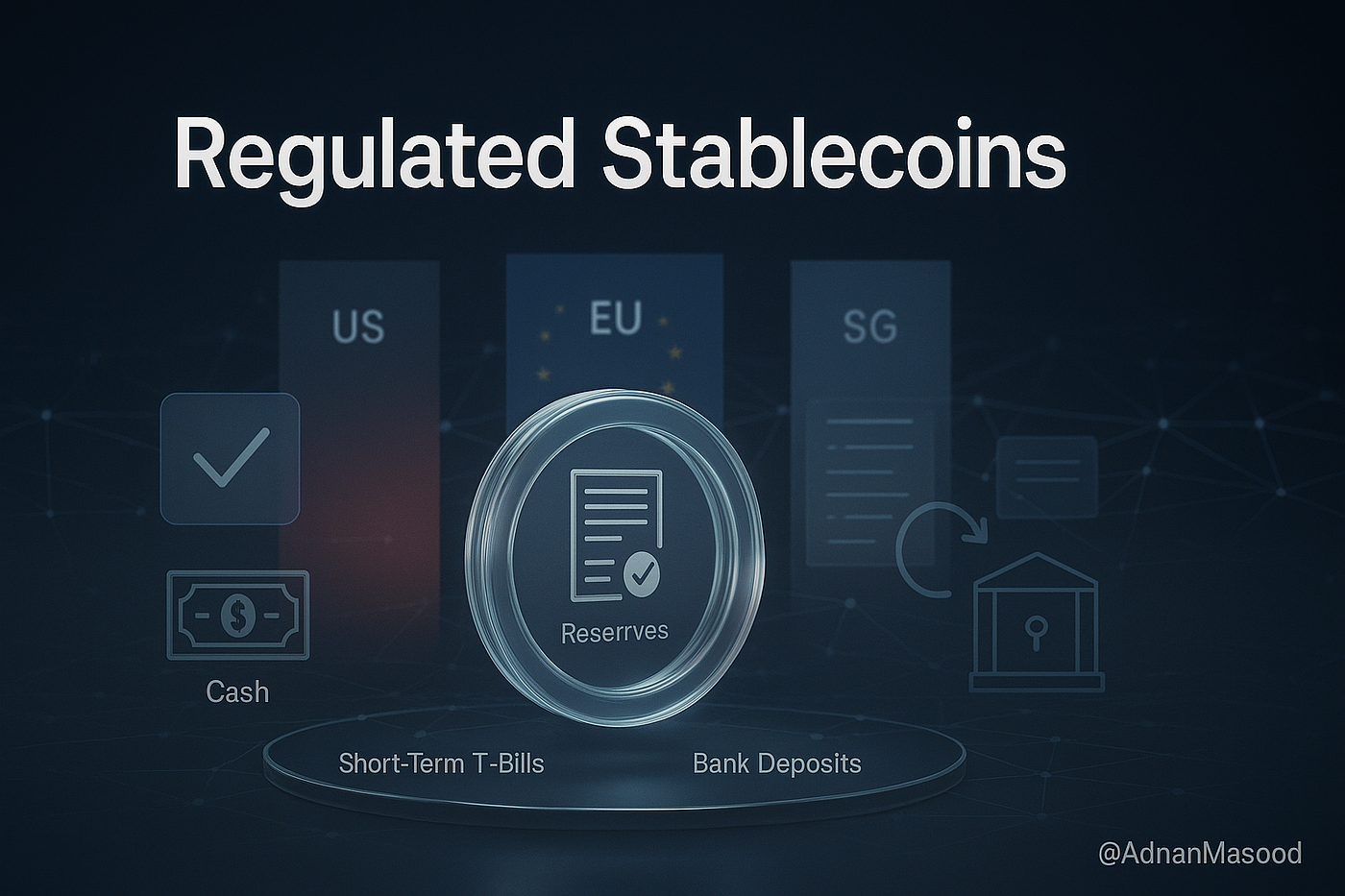
While transformative, net 30 stablecoin escrow demands vigilance. Regulatory clarity varies; KYC compliance, as in RebelFi's marketplace guide, is non-negotiable. Smart contract audits mitigate exploits, and stablecoin reserves must be overcollateralized. Stripe's analysis weighs these against benefits: settlement speed trumps all, with costs clearer than opaque bank FX spreads.
Bitwave notes big finance's buy-in, with Visa eyeing stablecoins as instant rails over jurisdictional wires. Platforms counter risks via insurance and multi-sig requiring dual approvals. For global exporters, whom I advise daily, this means compliant, low-volatility havens versus forex roulette. Torsion. ai's manufacturing focus shows yields of 6-9% on escrowed funds, turning idle capital productive.
No comments yet. Be the first to share your thoughts!