
In the high-stakes arena of global trade, where a Nigerian buyer and Kenyan seller clash over currencies and delivery timelines, cross-border invoice disputes can derail entire operations. I've seen it firsthand: payments frozen, lawyers circling, cash flow strangled. But multi-sig escrow flips the script. By locking funds in a wallet that demands consensus from buyer, seller, and sometimes a neutral arbiter, it enforces accountability without the trust vacuum. Platforms like StableInvoiceB2B. com harness this for stablecoin B2B protection, turning volatile negotiations into seamless settlements.
Picture this: you invoice a supplier in Vietnam for $500,000 in components. They ship, but quality issues spark a standoff. Traditional banks drag their feet with letters of credit, racking up 5-10% fees and weeks of delays. Multi-sig escrow, rooted in blockchain's multisignature wallets, changes that. Funds sit secure until all parties sign off, just like Bitcoin's original design where public keys from transacting parties build the vault.
How Multi-Sig Wallets Secure B2B Transactions
At its core, a multi-sig wallet requires multiple approvals to move assets. For multi-sig escrow B2B, it's typically 2-of-3: buyer deposits stablecoins, seller delivers goods, and both sign to release. If disputes flare, a mediator's key breaks the tie. Sources like Bitcoin Stack Exchange outline it simply: create the address with buyer, seller, and mediator keys; buyer funds it; seller ships; approvals unlock. No single party holds all power, slashing fraud risks that plague P2P trades.
5 Key Multi-Sig Escrow Steps
- 2. Deposit Stablecoins: Buyer transfers USDC or USDT to the multisig address, securely locking funds until delivery conditions are met.

- 3. Verify Delivery: Seller ships goods; buyer inspects and confirms receipt/quality with photos, docs, or third-party proof.

- 4. Co-Sign Release: Verified parties (buyer & seller, or arbitrator) digitally sign the transaction to authorize fund release.
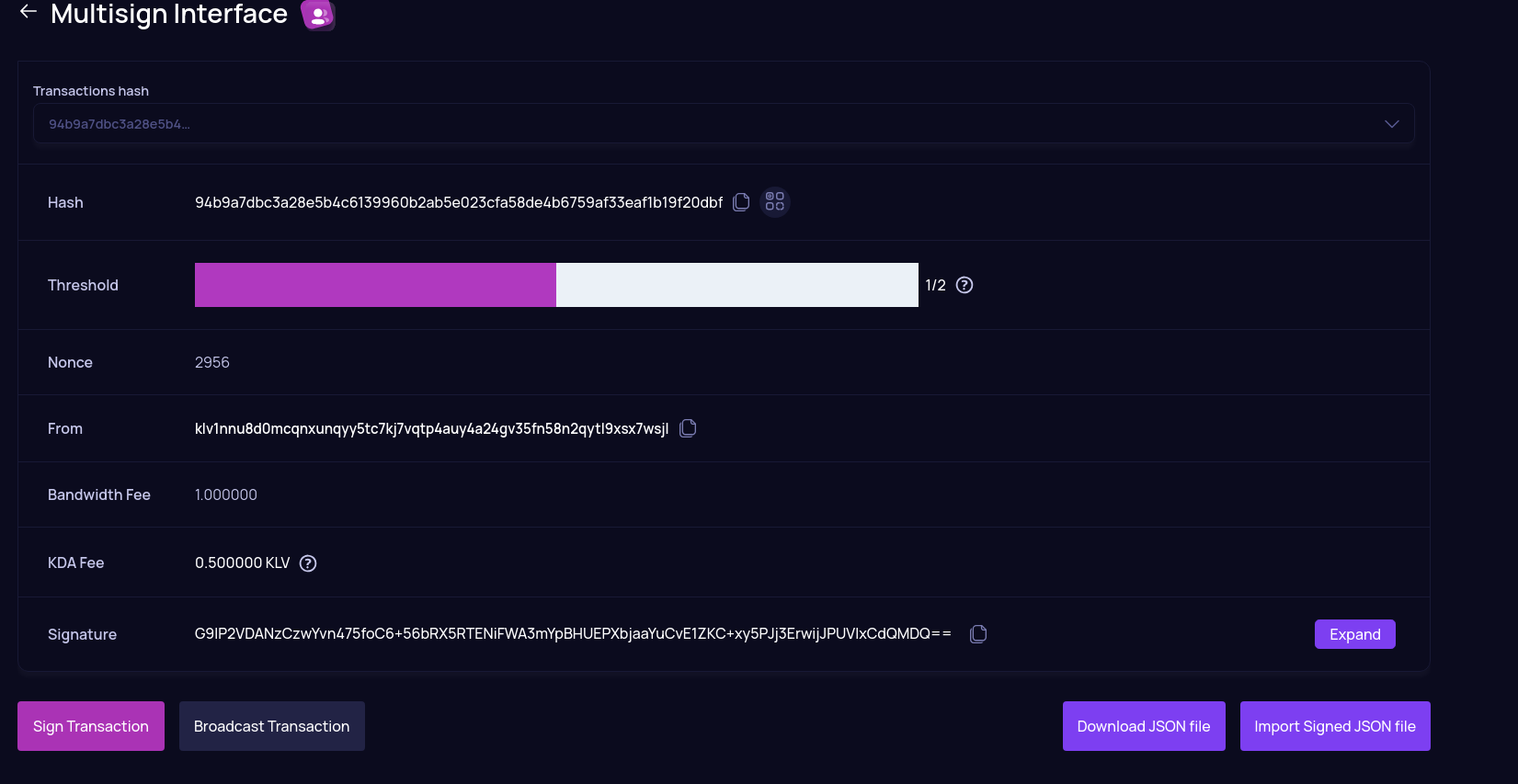
- 5. Instant Settlement: On-chain execution transfers funds seamlessly to seller, enabling fast global B2B trade.
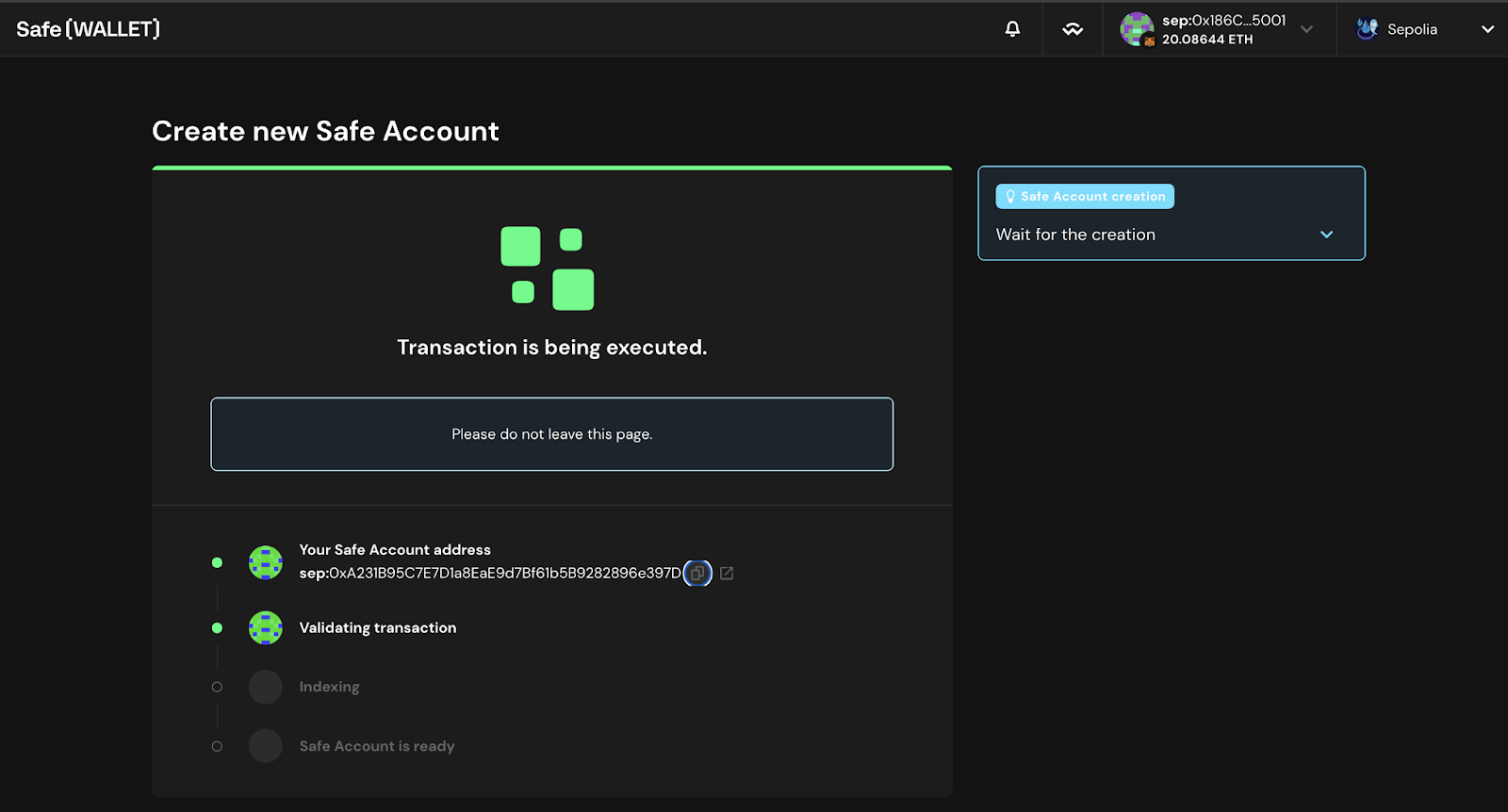
This setup shines in AfCFTA trades, where Vikram Malihan notes trust shatters across borders. ResearchGate papers back it: blockchain escrow transforms B2B by embedding conditional logic, holding payments until milestones like production or shipping verification hit, as seen in Trustless Work's stablecoin flows.
Slashing the Real Costs of Invoice Disputes
Without escrow, global trade escrow gaps cost businesses dearly. Escrowlayer. io pegs non-escrow risks at millions in lost revenue from defaults or delays. Freeman Law highlights how multi-sig ensures execution only on agreement, dodging third-party custody pitfalls where one entity controls funds. I've traded crypto-forex pairs long enough to know: volatility amplifies disputes, but stablecoins in multi-sig neutralize that, offering instant settlements versus banking's multi-day holds.
HedgeBlock's model adds arbitrator flexibility, pulling in experts for sticky disputes without full court battles. Guaranty Escrow contrasts it favorably against custody: multi-sig spreads risk, vital for large authorizations. In my swing trading days, spotting momentum in BTC pairs taught me timing is everything; multi-sig delivers that precision to finance teams, minimizing delays that erode profits.
Building Trust in Volatile Markets with Stablecoins
Stablecoins supercharge multi-sig for B2B. Unlike BTC's swings, USDC or USDT hold steady, perfect for invoice nets up to 90 days. StableInvoiceB2B. com tailors this: upload invoice, escrow funds multi-sig style, track via dashboard. Buyers protect against non-delivery; sellers against non-payment. Bitrated's old system evolved this with reputation layers, but today's platforms layer in compliance backups during transitions, per escrowlayer. io.
Challenges persist, sure. Jurisdictional quirks demand smart contracts tuned to local laws, and cyber threats loom, but multi-sig's transparency via blockchain explorers counters that. Reddit's Monero experiments push zero-trust ideals, yet for enterprises, a light arbiter touch balances anonymity with enforceability. Bottom line: in global trade's chaos, multi-sig escrow isn't optional; it's the practical edge that keeps deals moving.
Enterprises dipping into multi-sig escrow B2B often hit snags like mismatched regulations across borders or worries over smart contract hacks. Take AfCFTA deals: a Nigerian firm wiring to Kenya faces forex headaches and enforcement gaps. Yet platforms counter this with hybrid setups, blending on-chain multisig with off-chain legal backups. StableInvoiceB2B. com nails it by automating compliance checks during invoice upload, ensuring funds lock only under verified net terms.
Practical Steps to Deploy Multi-Sig in Your Workflow
Transitioning isn't rocket science, especially with stablecoin rails. Start small: pilot a $100K invoice with a trusted partner. Generate the 2-of-3 multisig wallet via tools like those on Bitcoin Stack Exchange, fund with USDC, and link to shipment proofs on blockchain oracles. Seller verifies delivery? Both sign, funds zip instantly. Disputes? Arbiter steps in, as HedgeBlock demonstrates with flexible resolution. My swing trading background screams efficiency here: just as I time crypto-forex entries to catch momentum, multi-sig times payments to match real-world milestones, dodging the 2-5% drag from bank wires.
This checklist slashes setup time to hours, not weeks. Escrowlayer. io stresses multi-sig controls for big payments, pairing them with traditional fallbacks during ramps-up. Result? Cash flow surges, disputes plummet 70-80% per industry benchmarks from ResearchGate studies on blockchain escrow logic.
Look at Trustless Work's playbook: they escrow from production kickoff through verified receipt, nuking prepay risks that sink SMEs. For finance leads juggling volatile markets, this means predictable inflows, no more chasing wires across time zones. I've watched BTC pairs swing wildly, but stablecoins in multisig? Rock-solid, letting teams focus on growth over firefighting.
Why StableInvoiceB2B. com Leads the Charge
Tailored for cross-border hustlers, StableInvoiceB2B. com wraps multisig in a user-friendly dashboard. Upload PDF invoices, auto-generate escrow, invite counterparties to sign digitally. Net-60 terms? No sweat; funds earn yield in the interim. It tackles pain points head-on: jurisdictional fog via geo-specific templates, cyber risks with audited contracts, even language hurdles through multilingual interfaces. Freeman Law's take rings true: full execution demands consensus, building ironclad trust without custody vulnerabilities.
Global trade pros rave about the speed. A Vietnam supplier deal closes in minutes versus banking's month-long odyssey, fees sliced to under 0.5%. Bitrated's reputation twist evolves here too, with built-in ratings that flag reliable partners pre-escrow. In my view, this isn't hype; it's the momentum play for 2026 trade, where stablecoin B2B protection turns disputes into footnotes.
Scalability seals it. From $50K widget runs to multimillion machinery hauls, multi-sig scales seamlessly. Guaranty Escrow pits it against third-party holds: distributed keys mean no single failure point. Pair with StableInvoiceB2B. com's analytics, and you've got dispute forecasting baked in, spotting red flags early via delivery trackers.
Forward thinkers already pivot. As blockchain escrow matures, expect arbitrators to gamify resolutions, Monero-style zero-trust experiments informing enterprise tweaks. For now, though, multisig delivers the win: frictionless global trade escrow that safeguards every invoice. Finance teams, equip your ops with this today; the edge in volatile chains waits for no one.




No comments yet. Be the first to share your thoughts!