
In the intricate web of global trade, where businesses juggle suppliers across continents, FX fees and currency swings erode margins with ruthless precision. Picture a mid-sized manufacturer in Vietnam waiting days for a payment from a European buyer; by the time funds clear, volatility has shaved off thousands, and intermediary banks have skimmed their 3-6% cut. Stablecoin B2B escrow platforms emerge not as a fleeting trend, but as a foundational shift, anchoring payments to dollar-pegged assets like USDC while slashing those costs to under 0.01%. This isn't hype; it's the patient evolution of cross-border finance toward stability.
The Hidden Drag of Traditional Cross-Border Payments
Every international invoice carries invisible burdens. SWIFT wires, the backbone of B2B trade, demand $30-60 per transfer, layered with correspondent bank fees that balloon to 3-7% overall. Add FX spreads, where banks pocket 1-2% on conversions, and demurrage costs pile up for shipping firms: a single delayed payment can trigger $150,000 in annual losses, as one mid-sized operator discovered. Volatility compounds this; a euro-dollar fluctuation mid-transit turns a predictable invoice into a gamble.
These frictions stifle cash flow. Net-30 terms stretch to 60 under banking delays, forcing suppliers to bridge gaps with costly credit. In volatile markets, hedging adds premiums, yet rarely fully shields against tail risks. Businesses crave reliability, yet traditional rails, built for a pre-digital era, deliver opacity and intermediaries at every turn. Deutsche Bank Research notes this plateau: stablecoins disrupt precisely here, in B2B cross-border realms demanding near-instant settlement and dramatically lower fees.
Stablecoins as the Volatility Shield
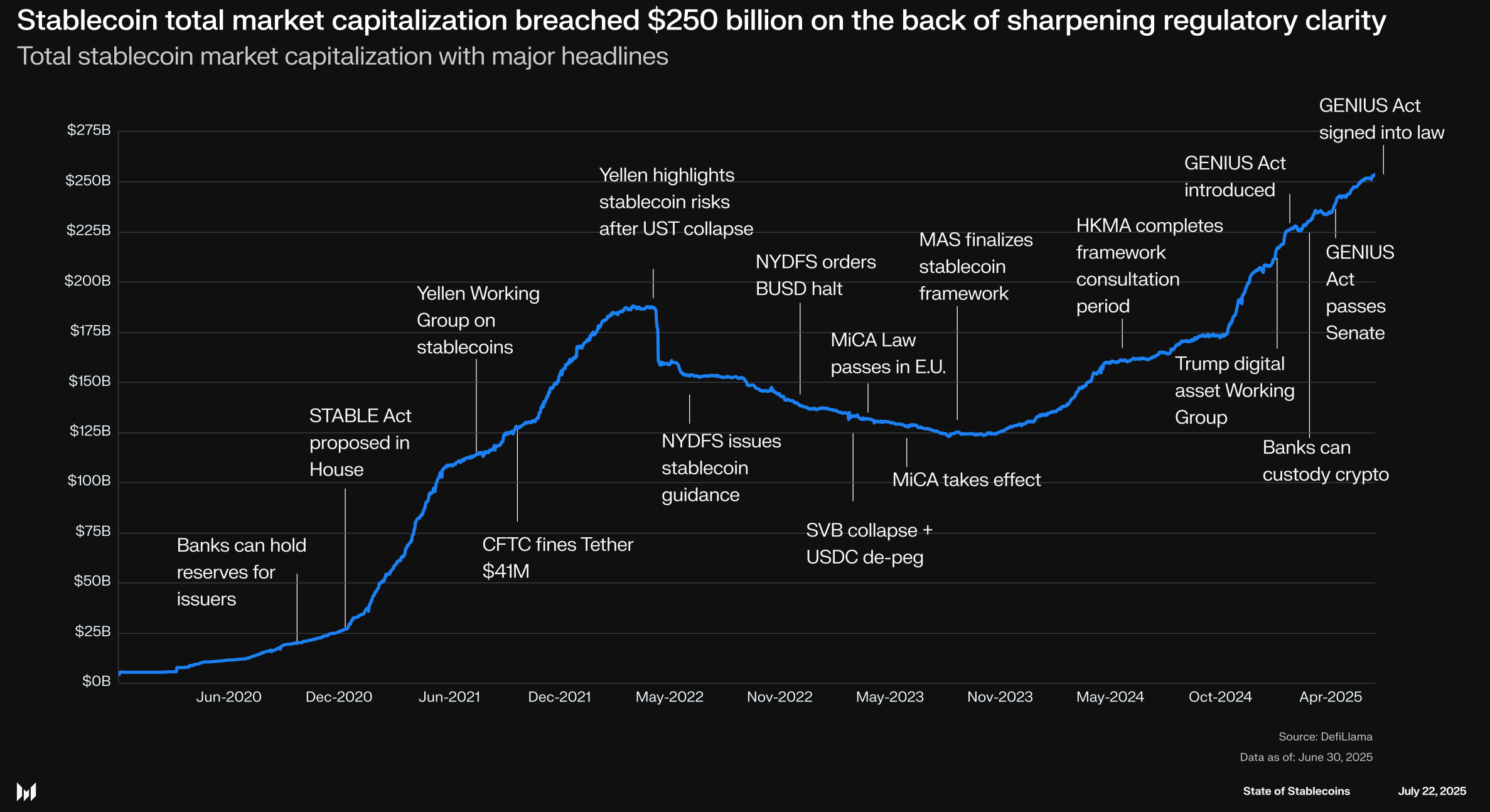
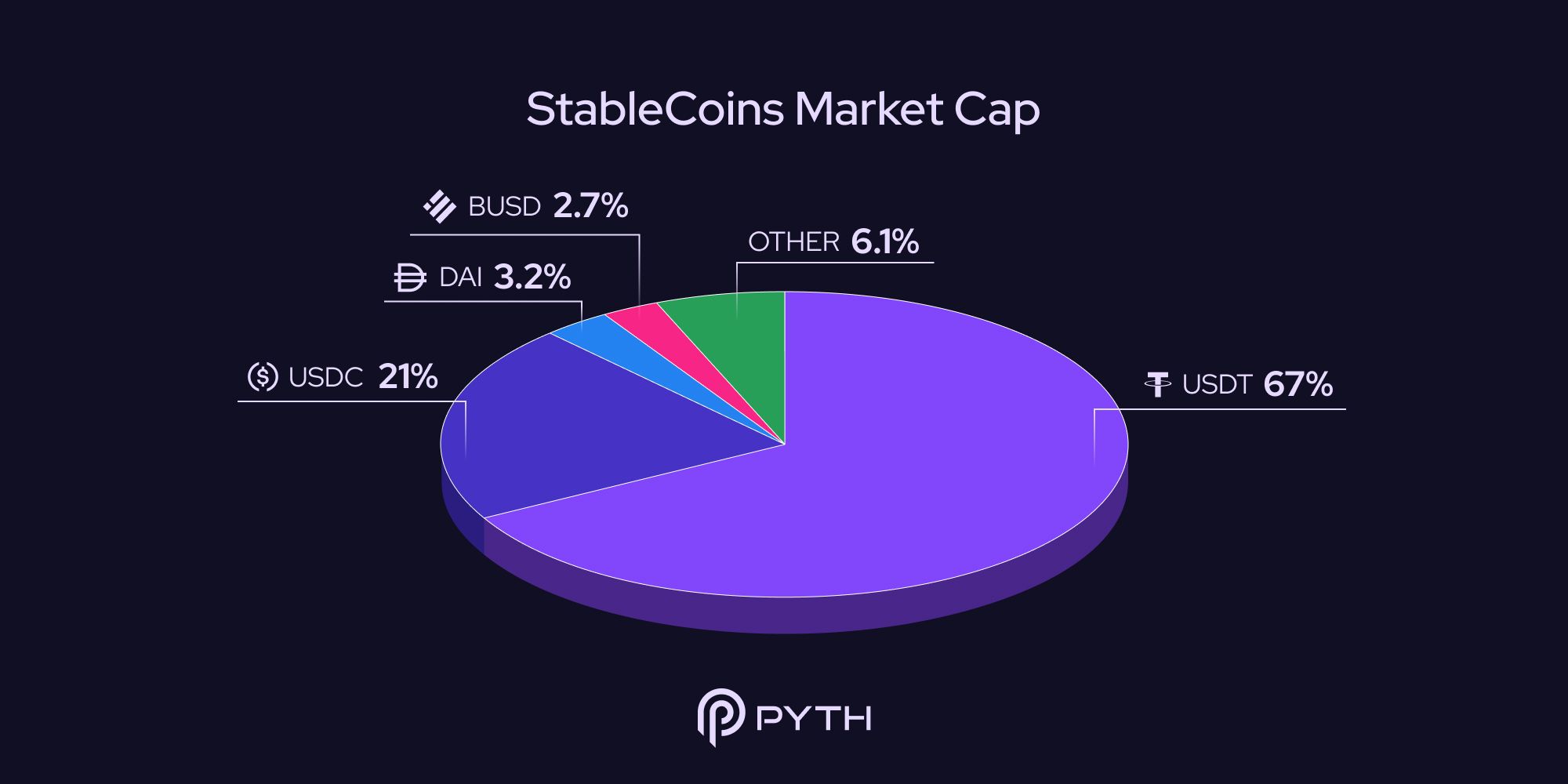
Enter stablecoins: USDT, USDC, TUSD, pegged 1: 1 to the dollar, they neutralize cross-border volatility escrow risks inherent in fiat swings. Transactions settle in minutes, not days, bypassing banking hours and geographies. Polygon Labs highlights six key rails proving this: lower costs, faster settlement, clearer B2B paths. McKinsey underscores tokenized cash on blockchain modernizing payments, while FXC Intelligence affirms the theory holds in practice.
For USDC B2B payments, liquidity runs deep across chains, with audits ensuring reserves match circulation. A Vietnamese supplier invoices in USDC; the buyer escrows via multi-sig, releasing on delivery confirmation. No FX hit, no 3% bleed; fees hover at $0.10-1. RebelFi quantifies it: from 3-6% to 0.01%. Modern Treasury echoes cost-effectiveness over wires or cards, especially cross-border.
| Metric | Traditional (SWIFT/Wire) | Stablecoin Escrow |
|---|---|---|
| Fees per Transfer | $30-60 and 3-7% | $0.10-1 ( and lt;0.01%) |
| Settlement Time | 1-5 Days | Minutes |
| Transparency | Low (Intermediaries) | High (Blockchain) |
| Volatility Risk | High (FX Exposure) | None (Pegged) |
Escrow's Role in Trustworthy Low-Fee Invoicing
Low-fee international invoicing thrives on trust, and stablecoin escrow delivers via smart contracts. Funds lock in multi-sig wallets until milestones hit: shipment proof, quality checks, or net terms met. Guaranty Escrow and Web3 Enabler detail the transformation: days-long ordeals to minutes, intermediaries axed. Zodia Markets cites shipping savings; Coinsdo. io envisions just-in-time payouts fueling always-on economies.
Regulatory guardrails evolve too. Platforms embed KYC/AML, as PayKeeper and Cybrid demonstrate, blending crypto speed with fiat compliance. Uniscrow's blockchain records provide immutable audit trails, slashing disputes. For long-term players, this builds sustained growth: no more FX roulette, just predictable flows supporting macro trends in global trade.
Consider a European importer sourcing electronics from Southeast Asia. Under legacy systems, each invoice incurs FX conversions eating 4% margins, with settlement lags triggering demurrage fees that erode profitability. Switching to a stablecoin escrow platform like StableInvoiceB2B. com flips the script: USDC funds escrow instantly, release on blockchain-verified delivery, preserving every dollar of value. Zodia Markets reports similar shipping firms slashing $150,000 in costs annually through such efficiencies.
Real-World Wins in B2B Trade
Polygon Labs spotlights stablecoin rails maturing for B2B, with transaction costs plummeting and settlements accelerating. A mid-sized firm handling $10 million in annual cross-border invoices could reclaim $300,000-600,000 from traditional 3-6% fees alone, per RebelFi data. Web3 Enabler details how escrow services shrink B2B payments from days to minutes, fostering tighter supplier relationships and optimized inventory turns.
Deutsche Bank Research positions stablecoins at integration's edge, excelling in remittances and B2B where speed and low fees matter most. Modern Treasury affirms reshaping payments, with stablecoins outperforming wires in cross-border scenarios. Due payments emphasize minutes-long settlements boosting transparency amid friction-filled international flows.
Key Stablecoin Escrow Advantages
- Cost Savings: Slash cross-border FX fees from 3-6% to 0.01%, or $30–$60 per SWIFT wire to $0.10–$1 via stablecoins (damex.io).
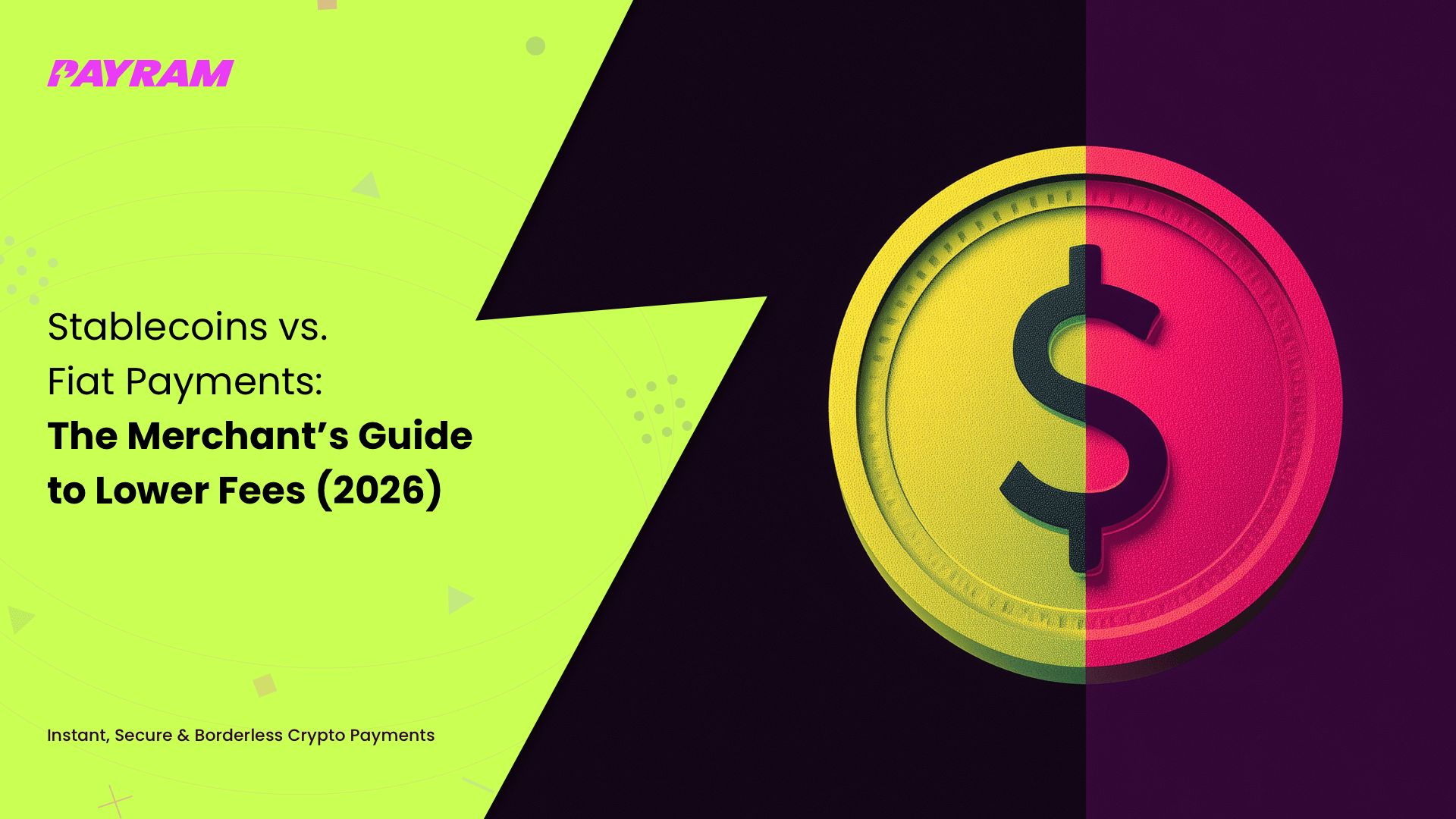
- Volatility Protection: Dollar-pegged stablecoins like USDT, USDC, TUSD shield against currency swings, ensuring predictable B2B payments (nilos.io).
- Minute Settlements: Transactions clear in minutes, 24/7 globally, vs. days for wires—ideal for just-in-time treasury (coinsdo.com).

- Blockchain Transparency: Immutable ledgers provide full visibility, reducing disputes in cross-border deals (uniscrow.com).

- Multi-Sig Security: Escrow with multi-signature wallets and smart contracts automates secure releases only on conditions met.
- Net Terms Flexibility: Smart contracts enable customizable payment terms, from instant to extended nets, streamlining B2B flows.
Navigating Challenges and Building for the Long Haul
Adoption hurdles persist, from wallet onboarding to regulatory flux, yet platforms address them head-on. Nilos. io ranks USDT, USDC, and TUSD for B2B due to liquidity and audits; Damex. io touts benefits like $30-60 wire fees dropping to $0.10-1. Coinsdo. com forecasts stablecoins as B2B payment future, powering cross-border trade with global reach unbound by hours.
For enterprises, the pivot demands thoughtful integration. Start with pilot invoices on high-volume routes, layering KYC/AML via compliant gateways. StableInvoiceB2B. com exemplifies this, offering multi-sig escrow tailored for B2B, flexible net terms, and instant stablecoin settlements that align with macro stability trends. Patience here pays; as volatility tests fiat rails, pegged assets deliver enduring ballast.
Comparison of Top Stablecoins for B2B Escrow
| Stablecoin | Liquidity | Multi-Chain Support | Reserves & Compliance | Fees 💸 | Speed ⚡ | Security 🔒 |
|---|---|---|---|---|---|---|
| USDT | High 🌊 | Yes ✅ | Attestations | Low 🟢 ($0.10-$1) | Near-instant ⚡ | High 🔒 |
| USDC | High | Yes ✅ | Audited Reserves ✅, Compliance Focus | Low 🟢 ($0.10-$1) | Near-instant ⚡ | High 🔒 |
| TUSD | Solid | Yes ✅ | Transparent Backing ✅ | Very Low 🟢 ($0.10-$1) | Near-instant ⚡ | High 🔒 |
FXC Intelligence captures the essence: stablecoins excel theoretically and practically in borderless money movement. McKinsey envisions tokenized infrastructure modernizing finance, with B2B at the vanguard. Businesses embracing stablecoin FX fees B2B solutions today position for tomorrow's trade dominance, where cross-border volatility escrow fades into obsolescence.
Guaranty Escrow underscores direct peer transactions sans intermediaries, amplifying savings. As global chains lengthen, these platforms fortify resilience, ensuring cash flows match real economic rhythms. Long-term investors recognize this: in cross-border finance, stability compounds, turning FX drags into competitive edges. StableInvoiceB2B. com stands ready, streamlining invoicing and escrow for the patient builders of tomorrow's trade networks.



No comments yet. Be the first to share your thoughts!